Week 24 | Sauce Mornay

This week I made Sauce Mornay from Julia Child's Mastering the Art of French Cooking. And what goes better with Sauce Mornay, aka cheese sauce, than PASTA?! Basically, I made Mac and Cheese. If you're not making homemade mac and cheese, you should be. It's so easy, and it's so much better.

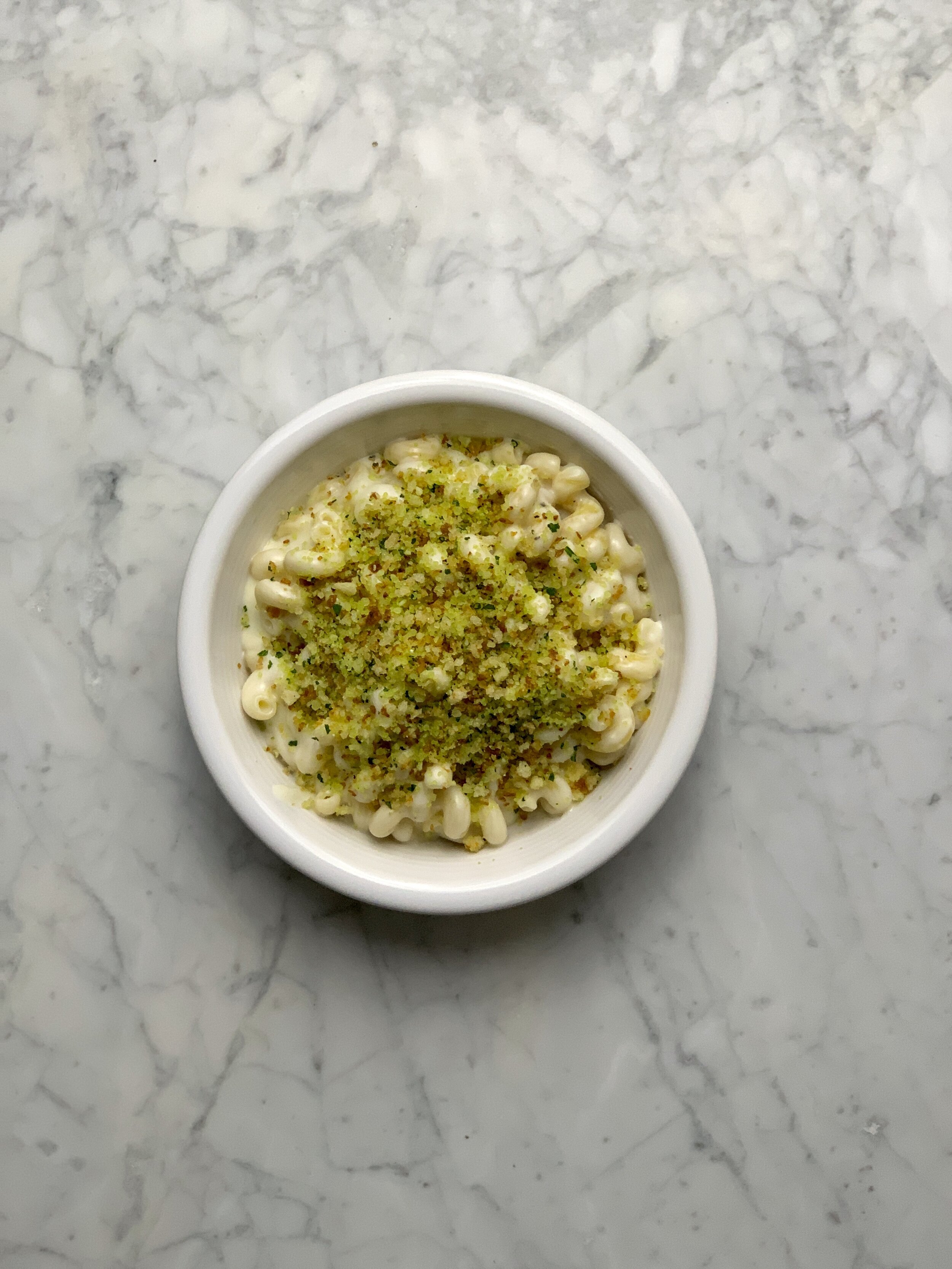
I started by making breadcrumbs. I don't bake this version of mac and cheese. Sometimes, baking mac and cheese can cause it to get dry. I wanted the sauce to really shine since I'm concentrating on the sauce. I wanted the texture you usually have with baking mac and cheese and a little freshness for such a rich dish — the perfect solution, breadcrumbs. I toasted the fresh bread crumbs in a little olive oil, so they get crispy and brown, which gives a good texture. Mix the crispy breadcrumbs with grated parmesan cheese and chopped parsley. The cheese provides a little saltiness and umami. The parsley adds a little freshness. Perfect.

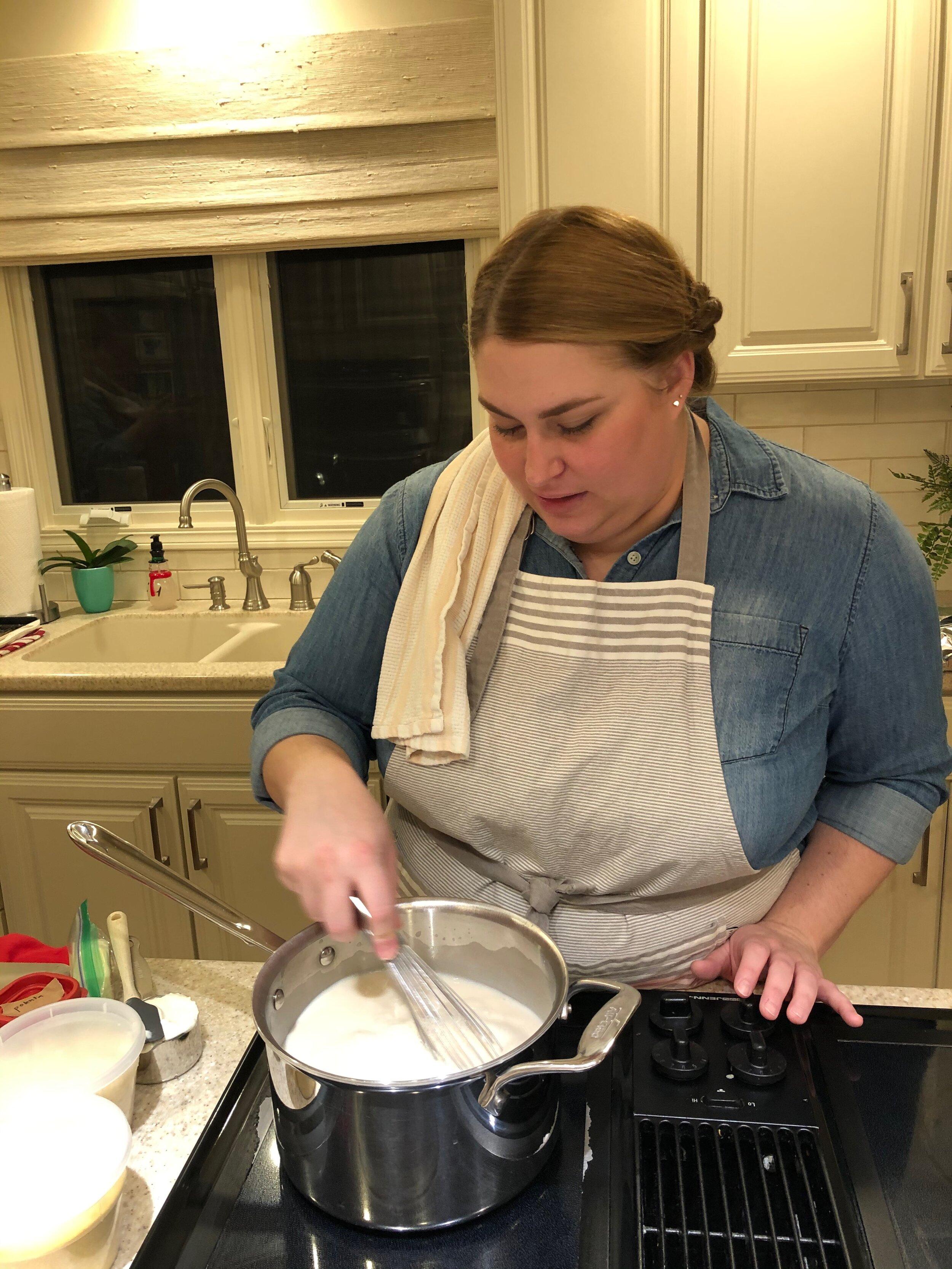
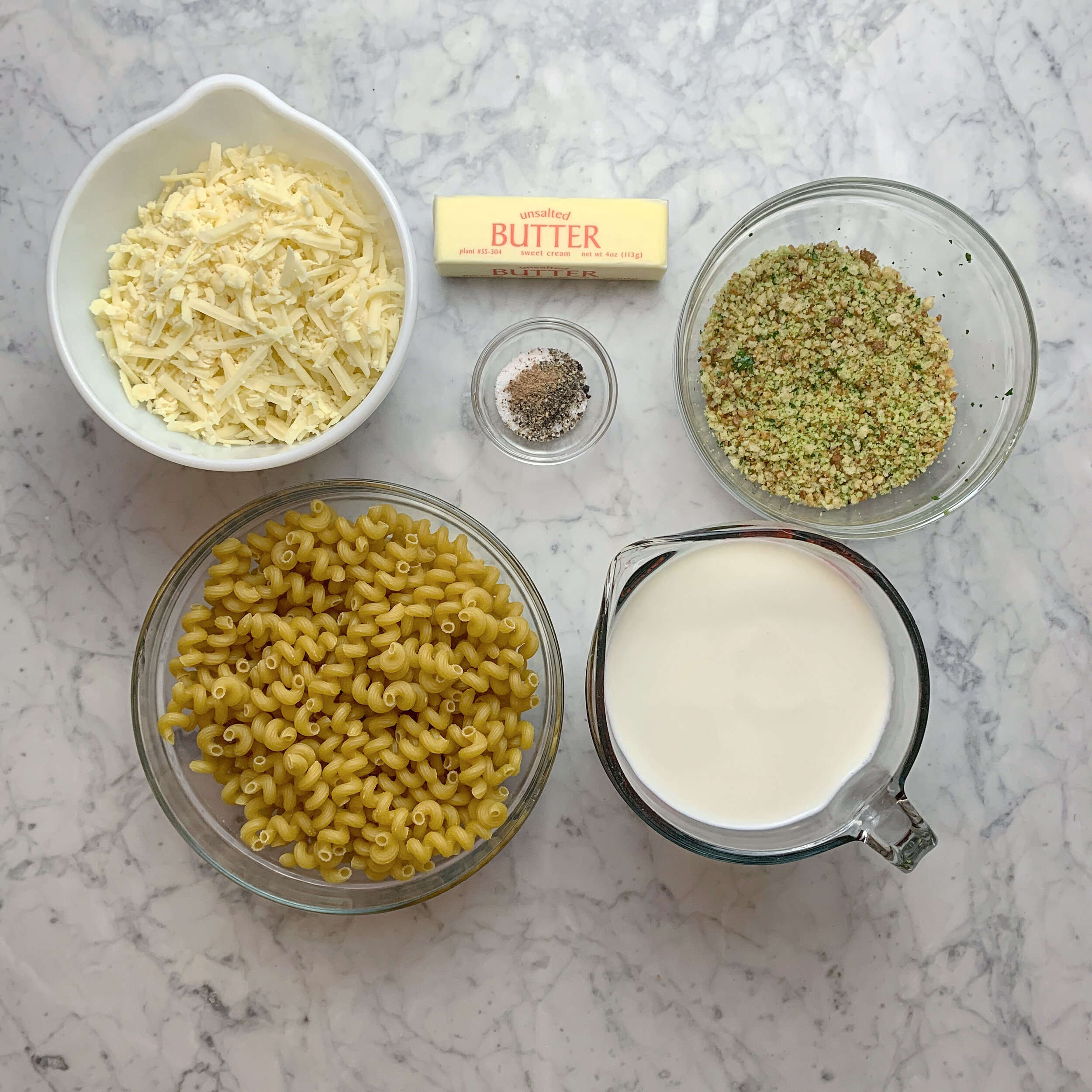
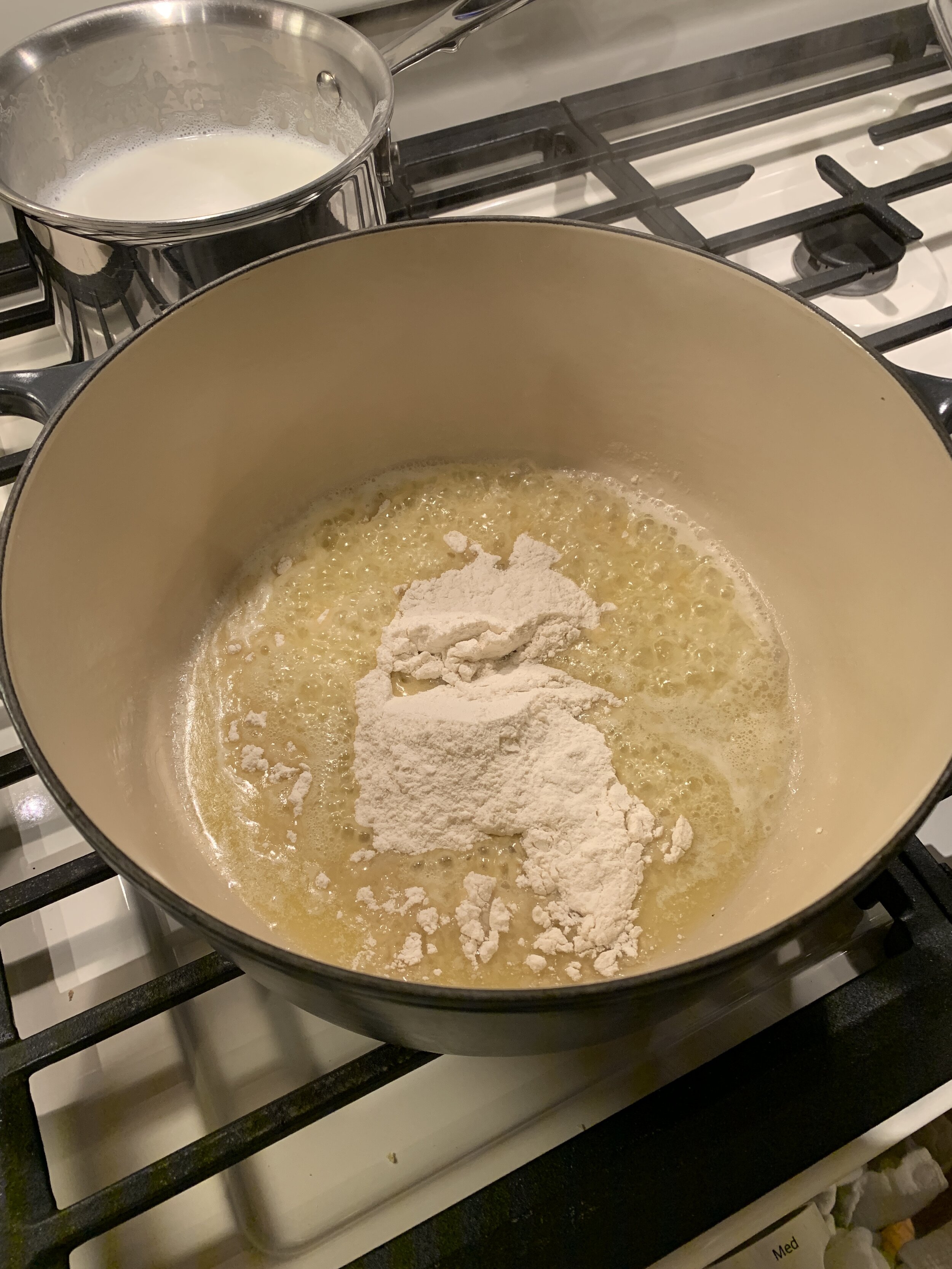
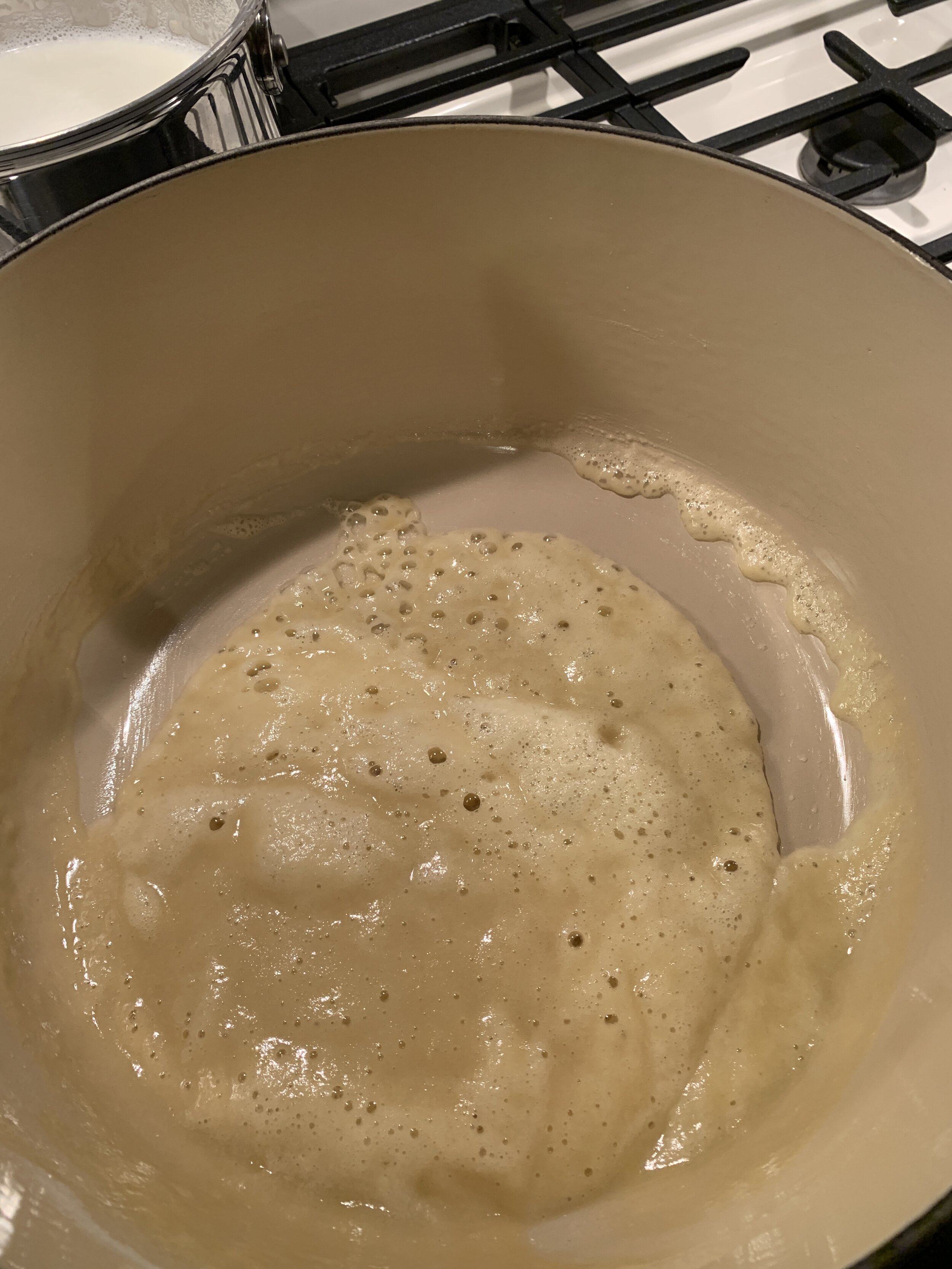
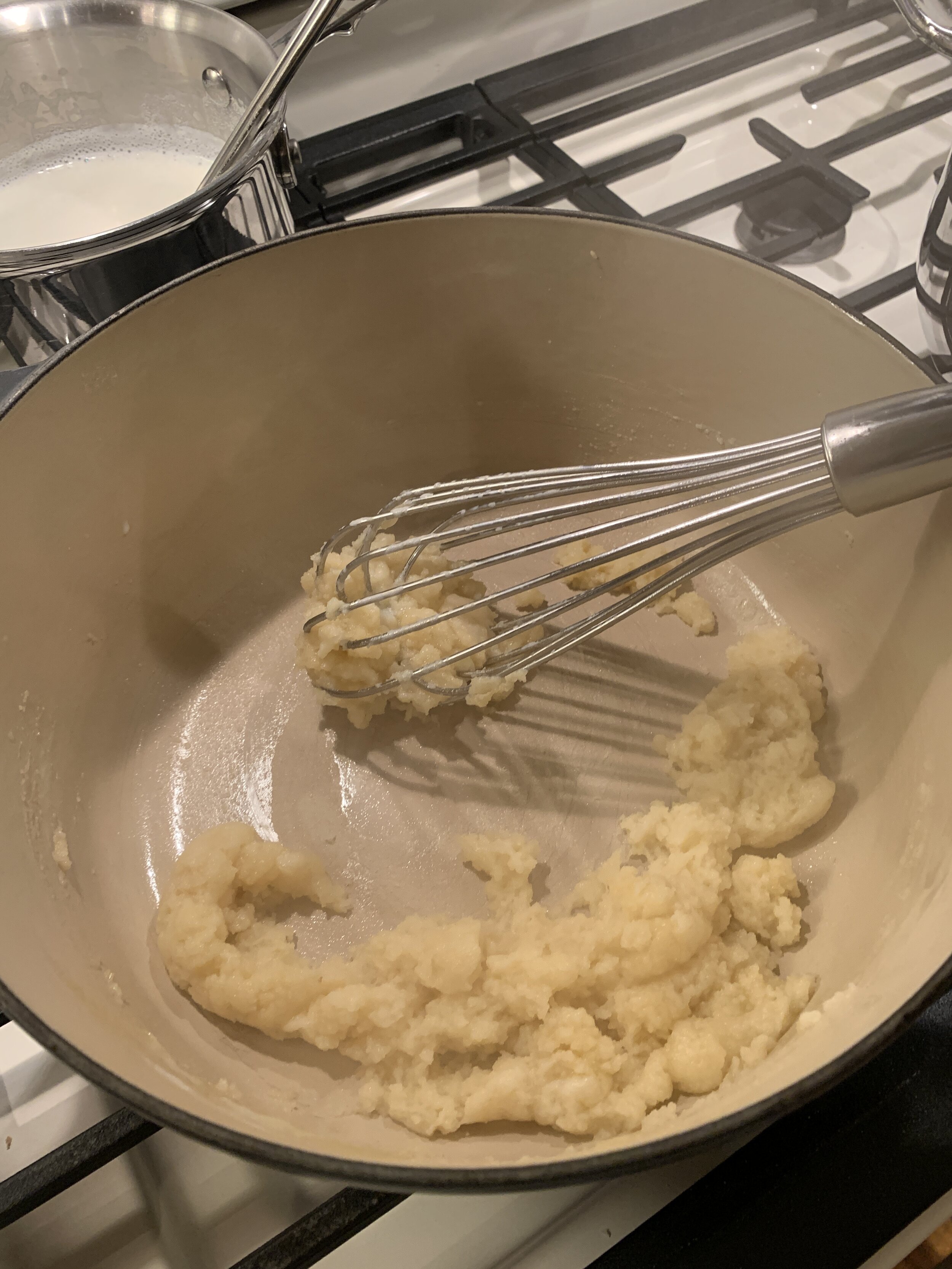
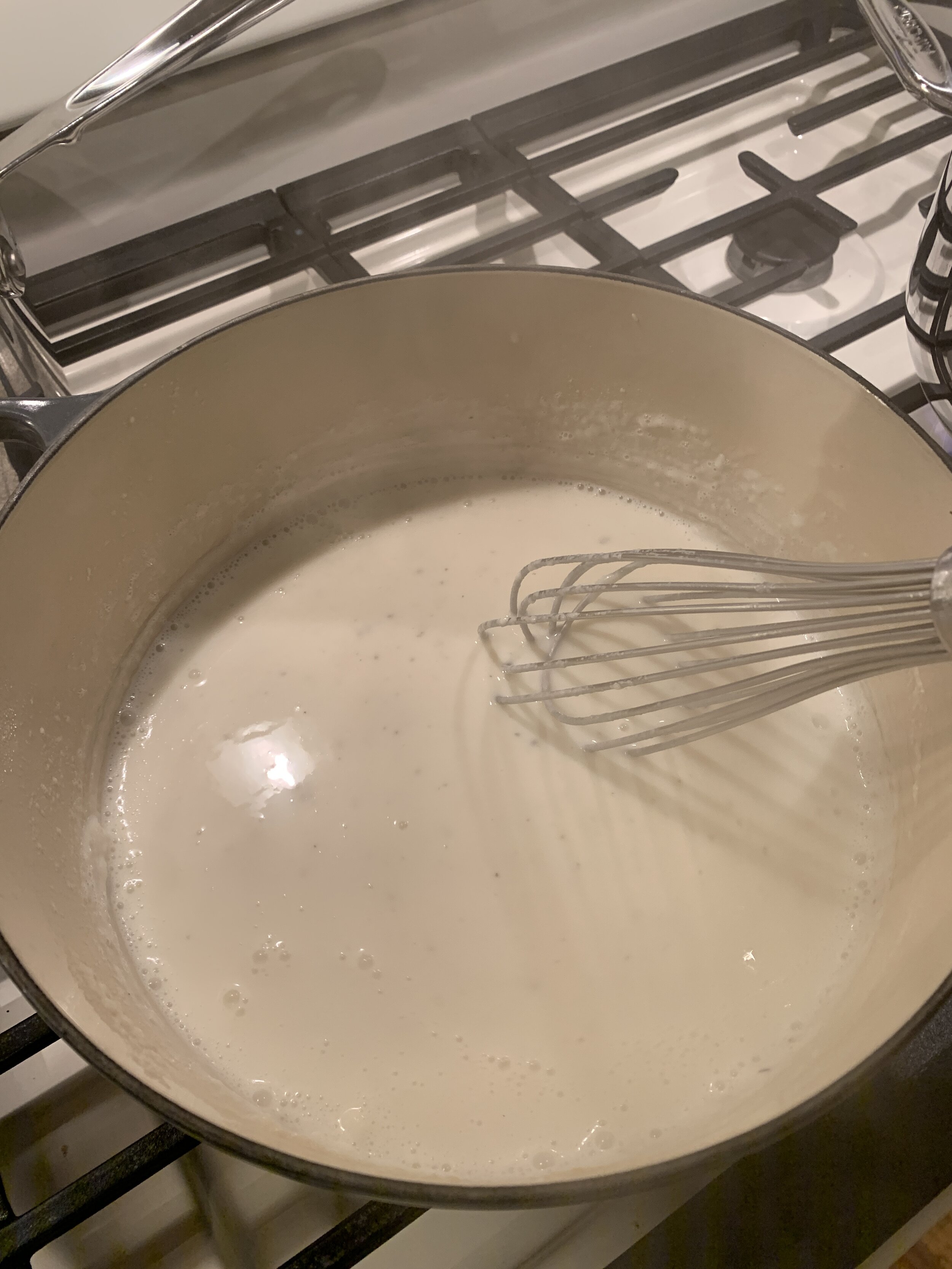
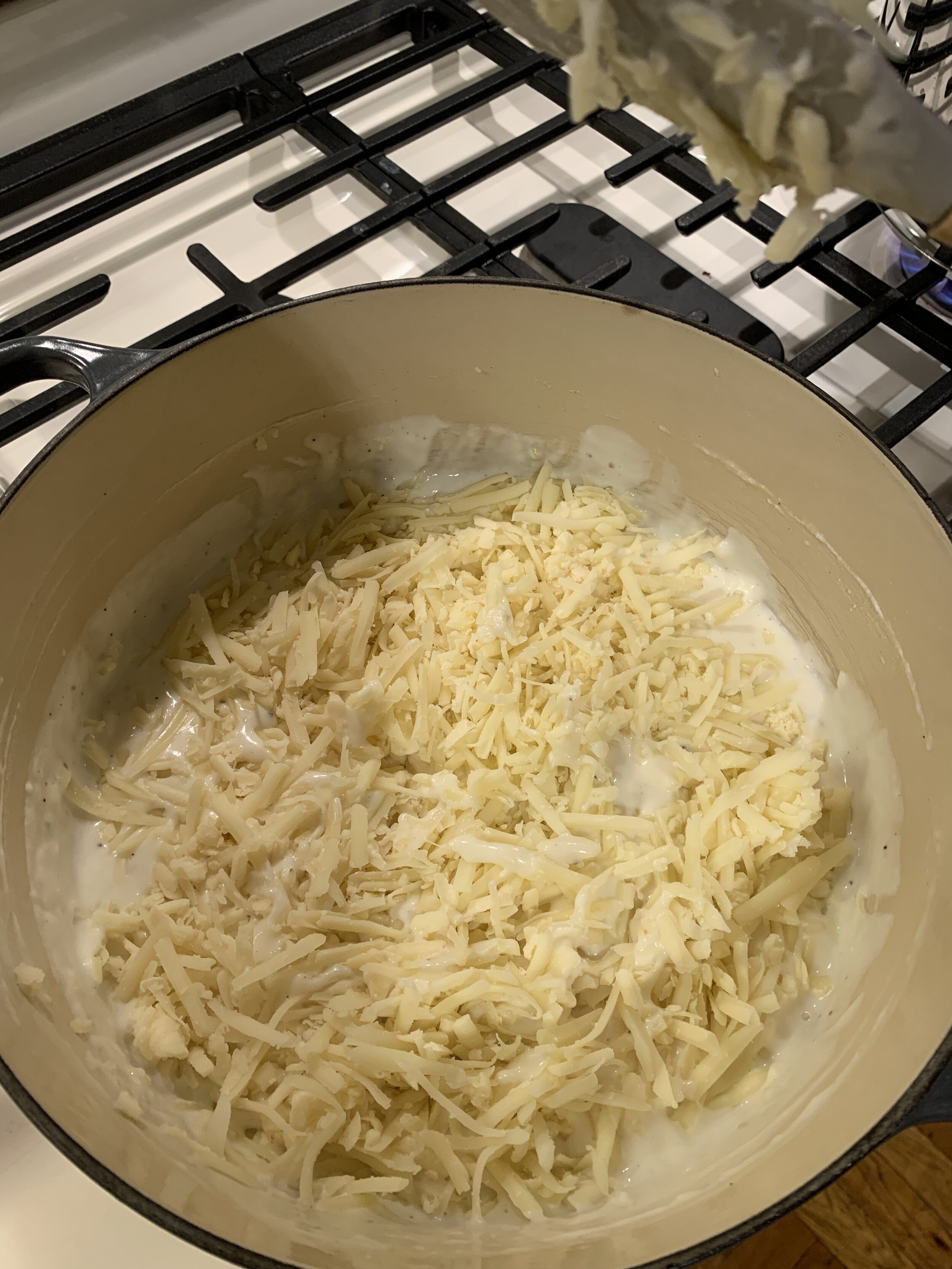
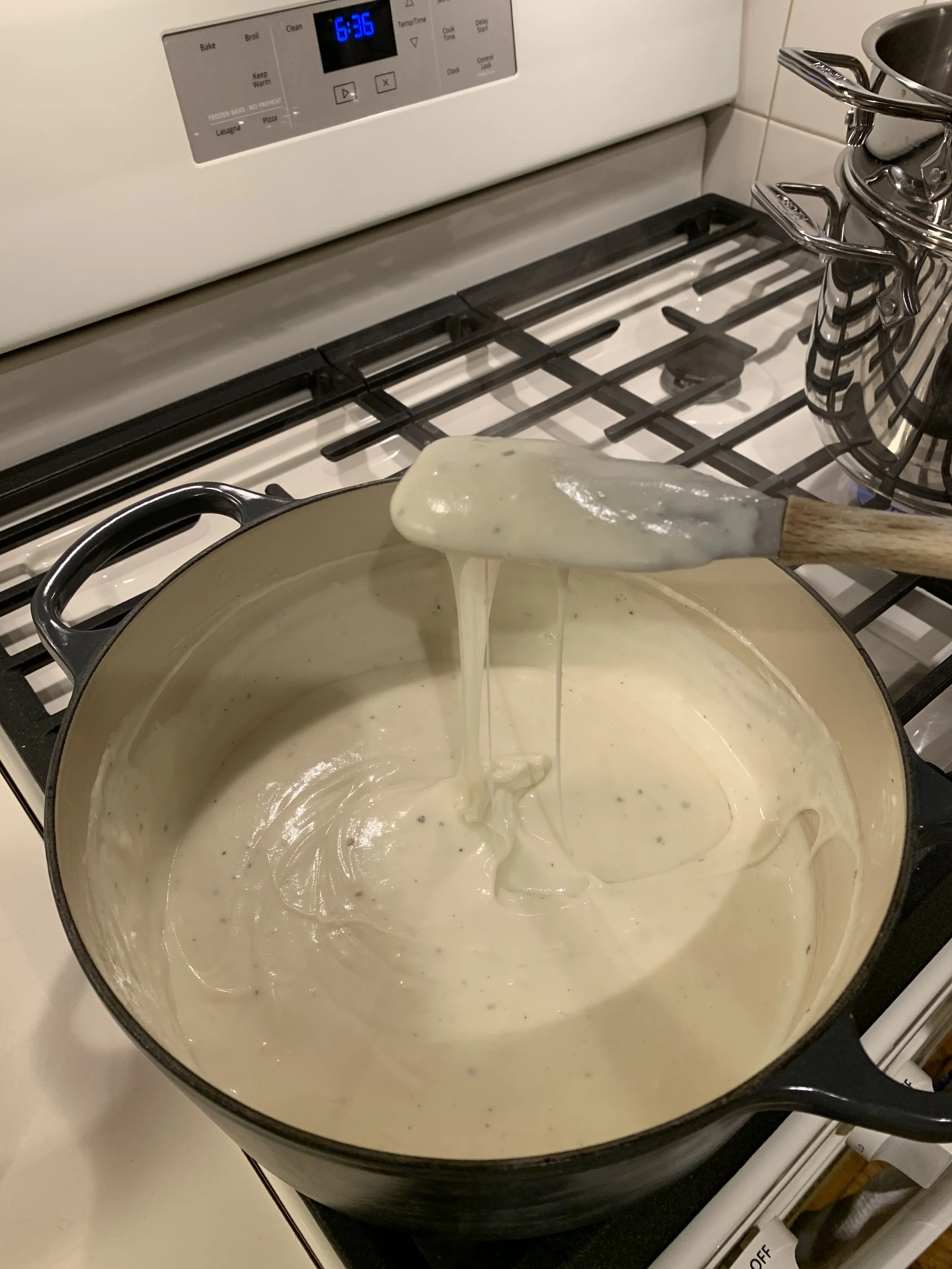
The cheese sauce is effortless to make. Start with butter and flour. Melt the butter and then whisk in the flour. You want to cook this for a solid three minutes over low heat. You cook the flour to remove the flour taste, but you don't want the roux to start to brown. The roux should be a light, golden color. Roux, the French term for a mixture of fat (in this case, butter) and flour, is used for the base of most sauces. Once you have your roux cooked, slowly add in heated milk. I use whole milk for cooking because fat equals flavor. I add four ounces of milk at a time. Allow the roux to absorb the milk before adding the next ladle of milk. Once all of the milk is added, bring the mixture to a boil. Once the sauce comes to a boil, cook for a minute, continually whisking, so it doesn't burn on the bottom of the dutch oven. Turn off the heat and stir in grated cheese, salt, pepper, and nutmeg until melted and incorporated fully. And that's it! You have Sauce Mornay.

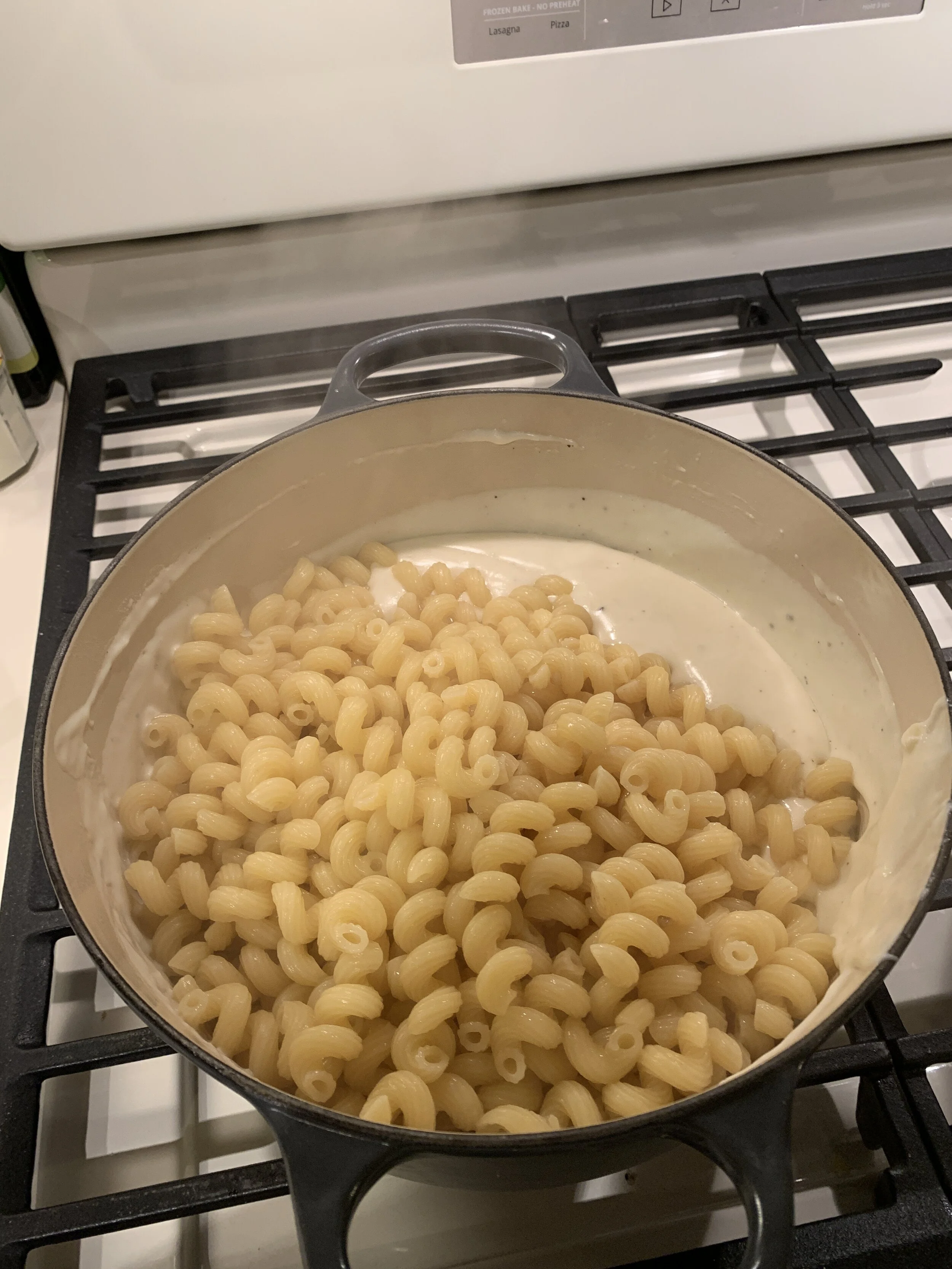
While making the sauce, cook the pasta. I prefer to use Cavatappi because I like the shape, and it holds the sauce well. However, you can use any short tubular pasta. Stir the cooked pasta into the Sauce Mornay. Divide the pasta into four bowls. Top with the prepared breadcrumbs. Serve with a fresh spinach salad and lemon vinaigrette. Mac and cheese is a heavy, cheesy dish, so it's essential to serve it with something fresh and acidic. Bon Appetit!

Next week I will be making Tomato Sauce.
Week 23 | French Onion Soup

This week I kicked off my project Mastering the Art of French Cooking (MAFC). I'm starting with the first chapter and making one to three recipes from each chapter, depending on the length. The first chapter is titled Soup, so I picked my absolute favorite French soup, French Onion Soup, or Soupe à l'Oignon Gratinée. MAFC reads like a guide, so I made some adaptations to the recipe. My goal for this project is to develop my french cooking techniques, my writing, my photography, and recipe development.

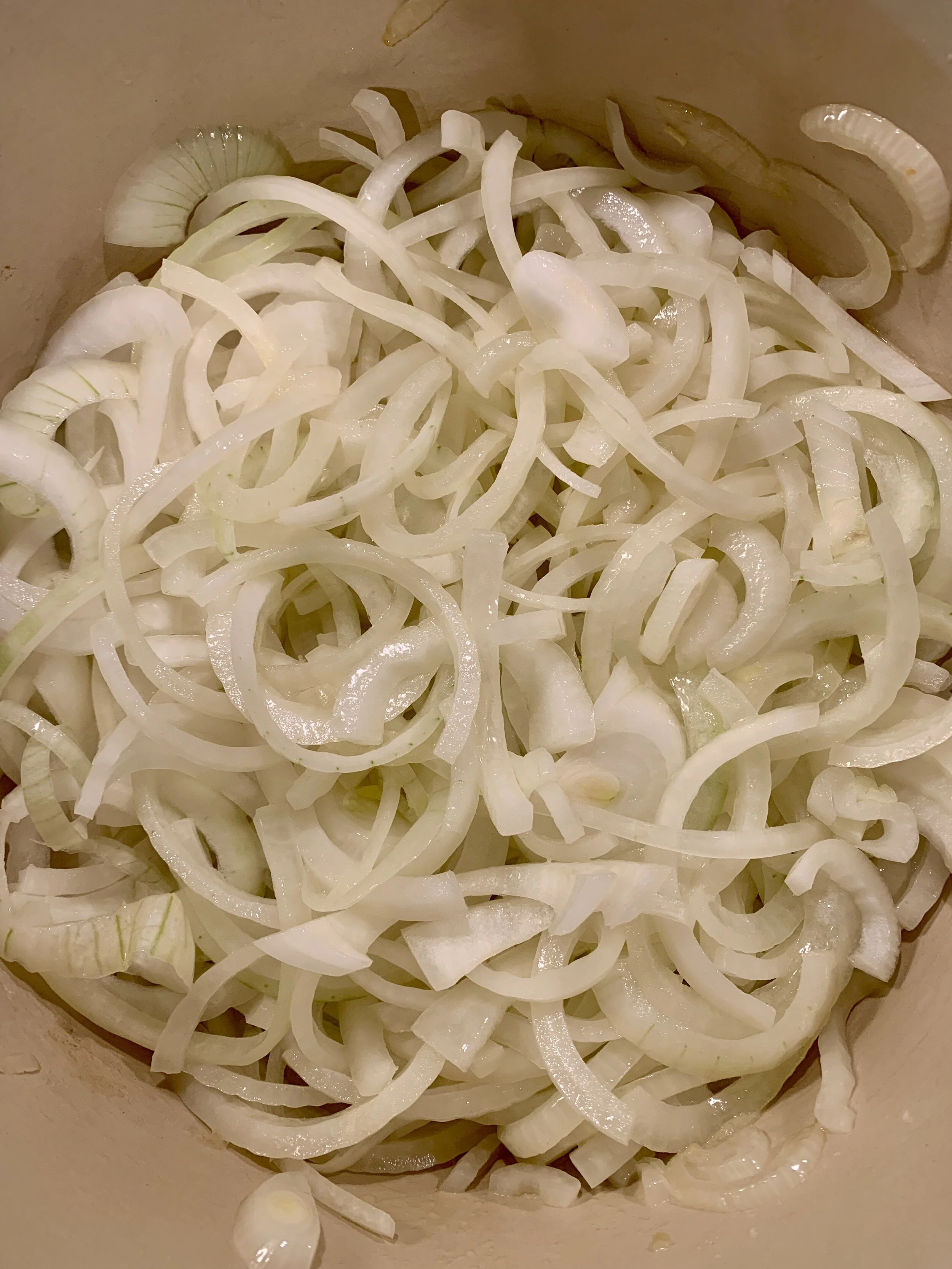
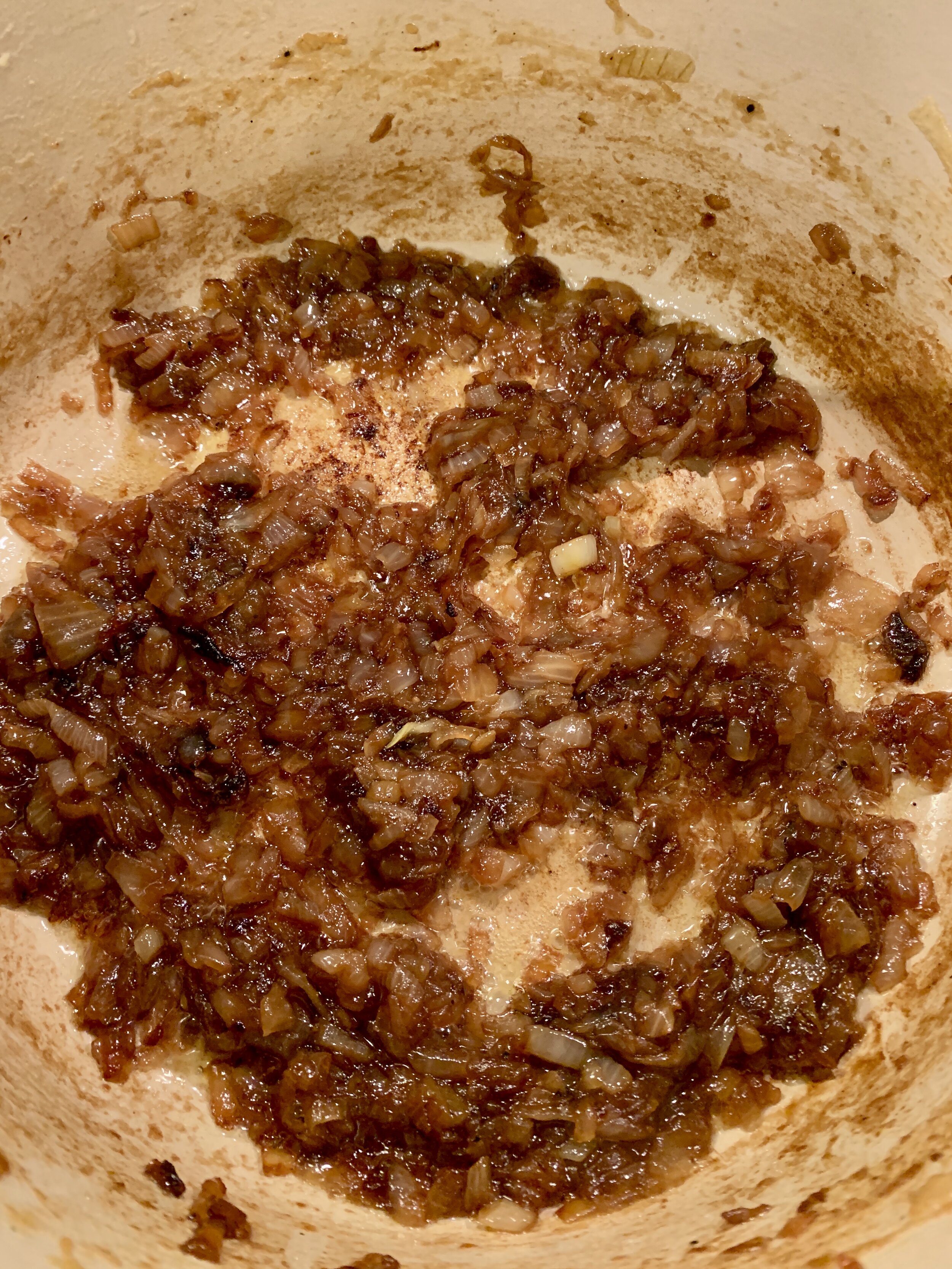
I started by caramelizing the onions. First, steam the onions in olive oil and butter over low heat for the first 15-20 minutes in a heavy bottom dutch oven, covered. Steaming the onions makes them soft, but not browned. Once the onions are soft, increase the heat to medium and removed the lid. Add kosher salt and brown sugar. The brown sugar will promote browning and make them quite sweet. This process takes about 30 minutes. Add the balsamic vinegar about five minutes before the onions are finished cooking. The balsamic vinegar creates rich color and more sweetness.

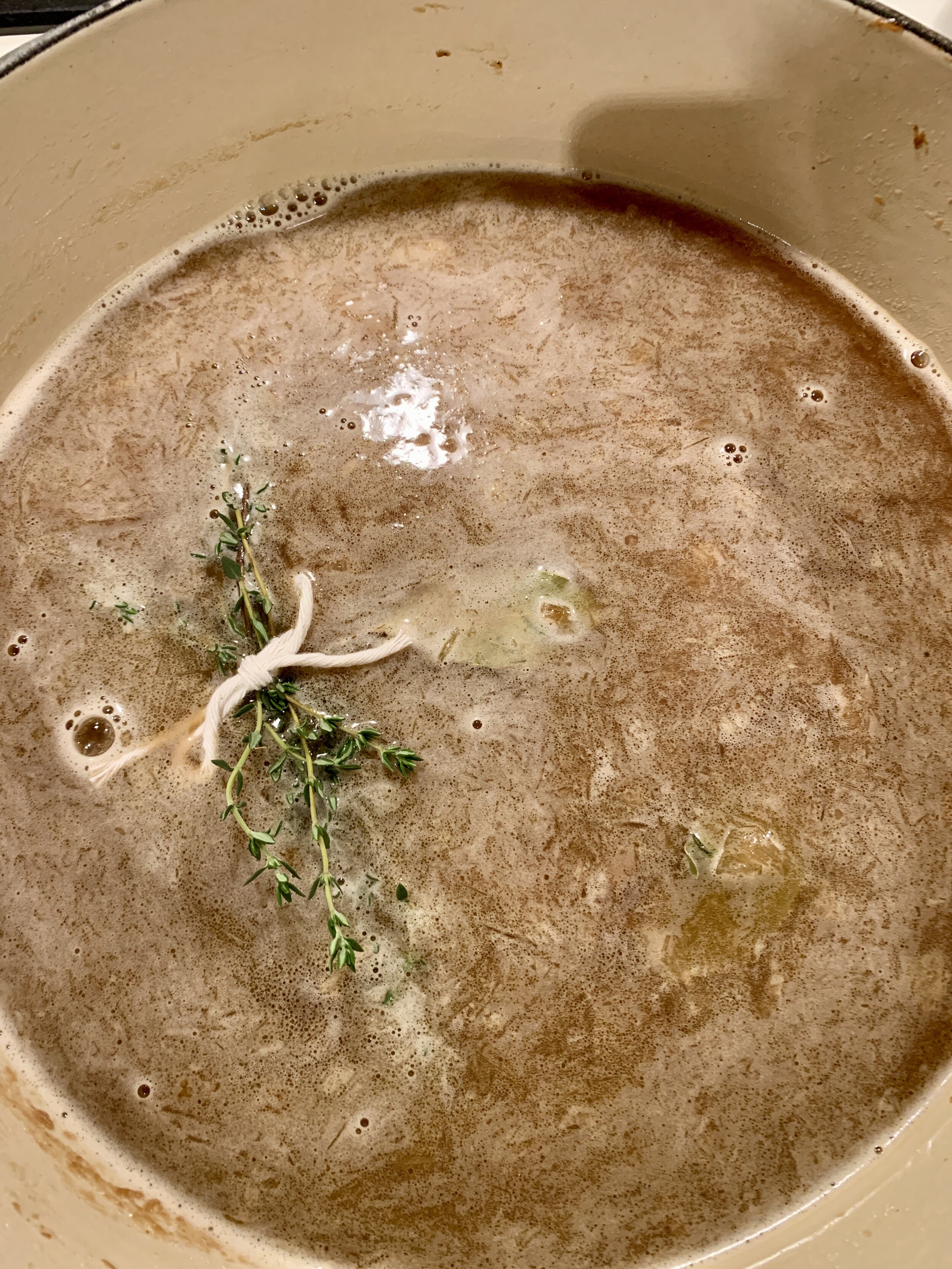
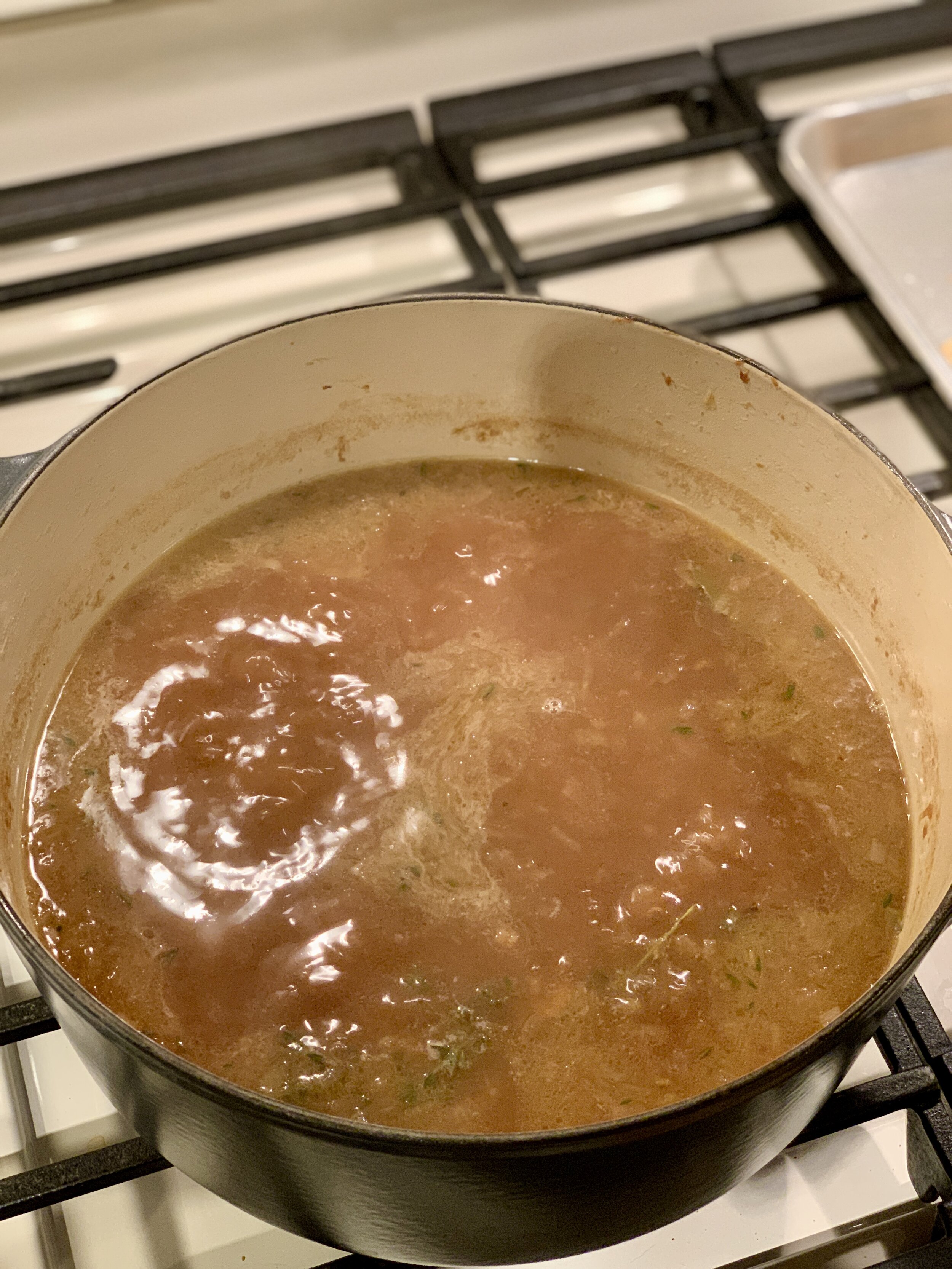
Once the onions are finished caramelizing, add flour to create a roux. Cook the onions and flour for three minutes. The mixture is very thick and beginning to stick to the bottom of the pot, stir constantly. Slowly add beef stock, about half a cup at a time at first, allowing the liquid to absorb. Once all the beef stock is added, add the white wine, thyme bundle, and bay leaf. Bring to a full boil, lower heat, and simmer for 45 minutes.

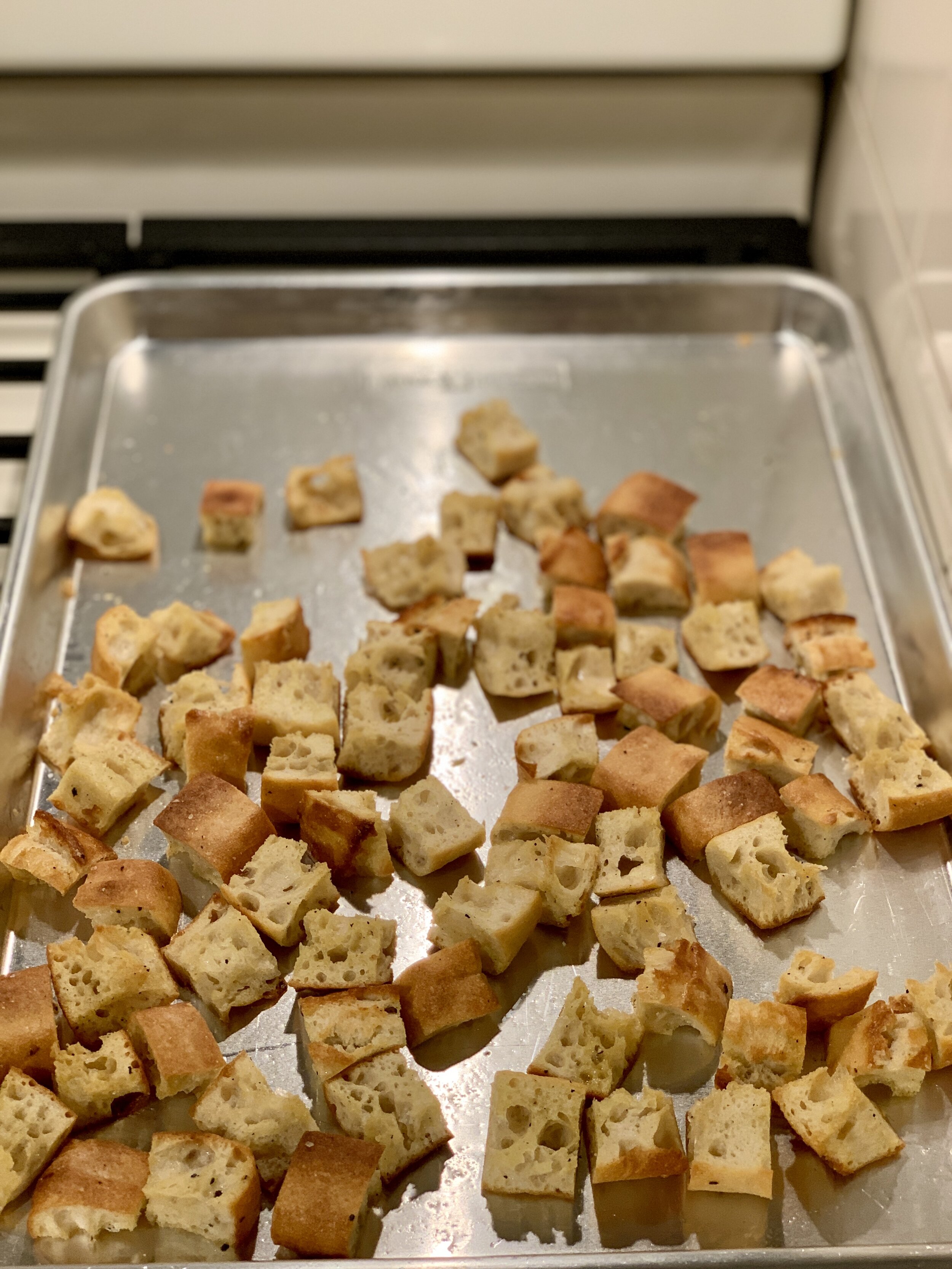
While the soup is cooking, coat the cubed baguette in olive oil, salt, and pepper in a large bowl. Toast in the oven until the bread is completely dried out, but not brown, about 30 minutes. Shake the pan a few times during cooking.

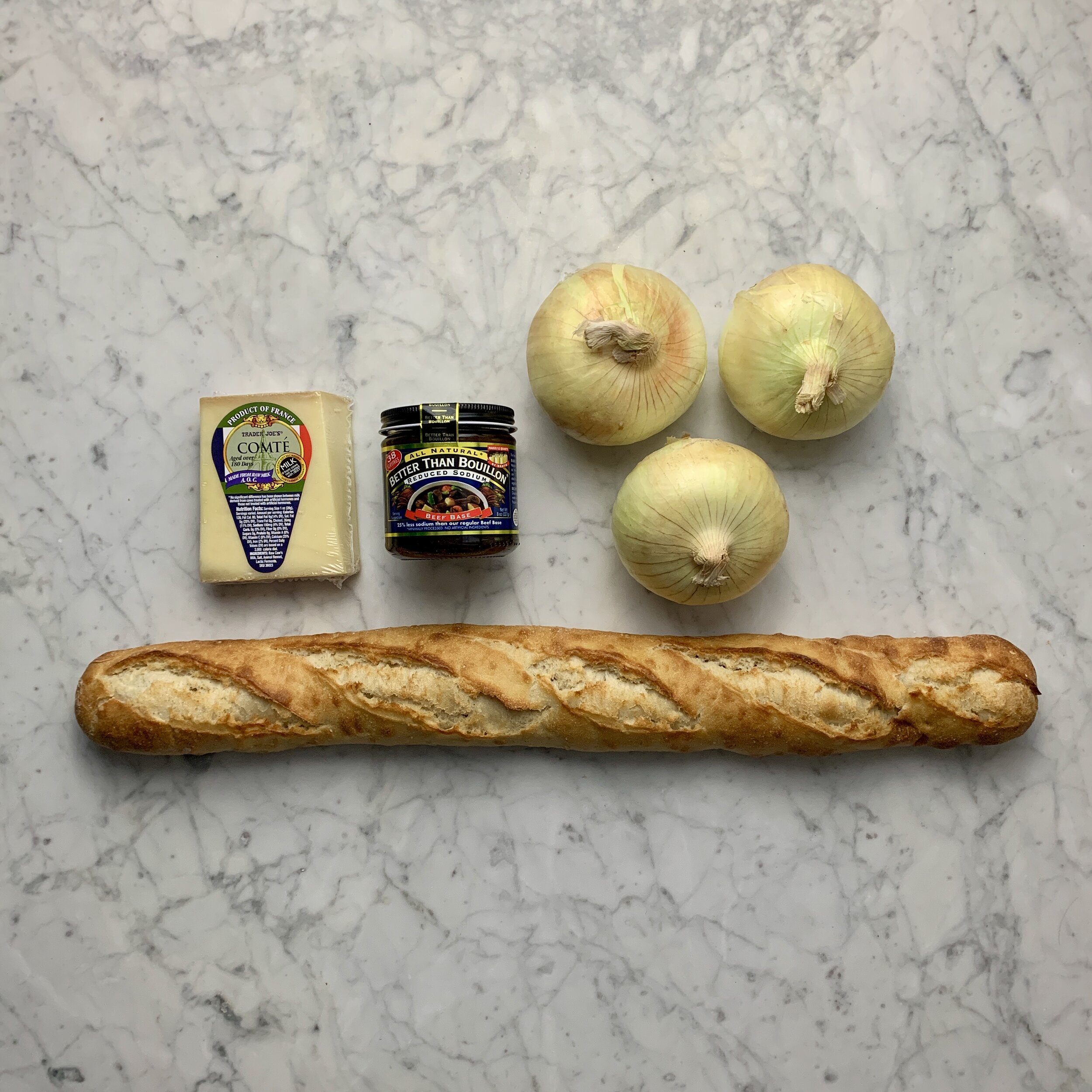
Once the soup has finished cooking, adjust the seasoning, remove the thyme bundle and bay leaf. At this point, stir in one tablespoon of grated onion, cognac, and two ounces of Comté cheese. A note about Comté cheese, I found it at Trader Joe's; they recommended it for French Onion Soup. You can also use Swiss Cheese or Gruyere. When you add the cheese, it will thicken the soup slightly.

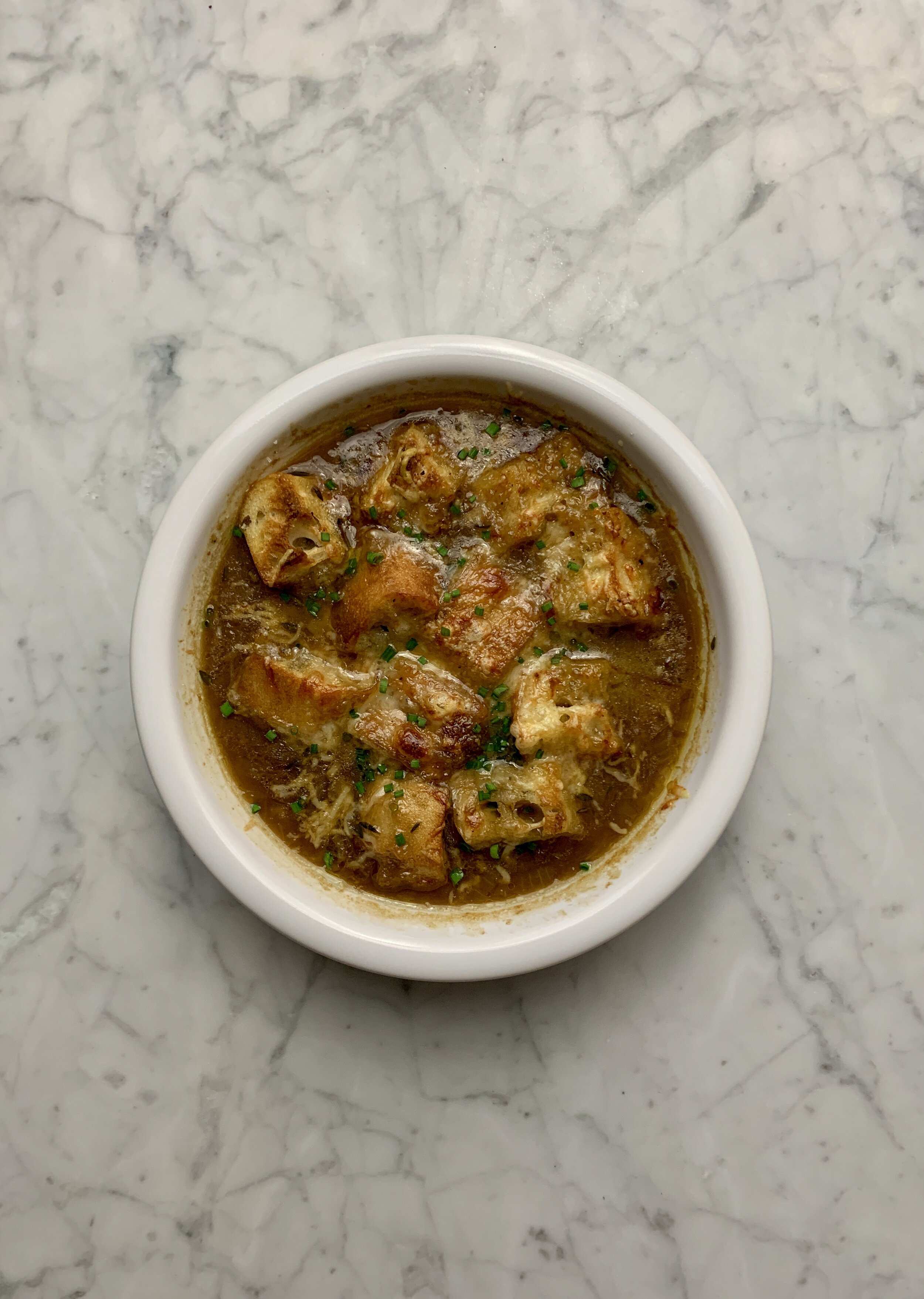
Ladle approximately 12 ounces of the soup into ovenproof bowls, top with the bread cubes, and roughly an ounce of Comté cheese. Then place in the oven on a sheet pan and broil for 5'ish minutes, maybe a few more until the cheese is melted, bubbling, and the bread cubes are beginning to brown.

Remove the soup from the oven and top with fresh chives. Bon appetit!

I love this soup so much. It has it all going on. The bread that is submerged in the soup is soft, the bread that is out of the soup is crunchy. The onions are sweet; the broth is salty and savory, and the chives add freshness. It is really really good.

Next week I'll be making Sauce Morney, which I'll use to make Mac and Cheese.

Week 22 | Mastering the Art of French Cooking

EB48EBF4-CD20-44F7-BA91-EECBEF7AE987.jpeg

School is back in session, and I am thrilled! I missed it. I love being at school. I love being in the building and around all the food-minded people. I'm trying to enjoy every single moment. I am so fortunate to attend. It means the world to me.

This semester I am taking Business English (so hopefully you'll see an improvement in my grammar), Purchasing, Nutrition, and Dining Room Service. None of these classes are in the kitchen. I'm going to be tackling a personal project in the kitchen, and I'm going to document right here, on this blog.

I have picked 16 recipes from Julia Child's Mastering The Art of French Cooking. I'm going to cook one recipe a week, photograph it, and write about it. I have picked a variety of recipes that will help me learn a variety of french techniques and flavors from throughout the cookbook.

Focusing on French flavors and techniques lines up nicely with my school, as well. This semester is the 35th Anniversary of the French Chef Exchange program at DMACC. There will 20 French Chefs at school for the next two weeks. We'll get to watch a demo each day next week, and have an opportunity to help out at three gourmet dinners lead by the French Chefs. I'm incredibly lucky to get to be a part of this experience, and I can't wait to learn all things French this semester!

Week 21 | Favorite Recipes

This week was all about cooking things I love before school starts next week.

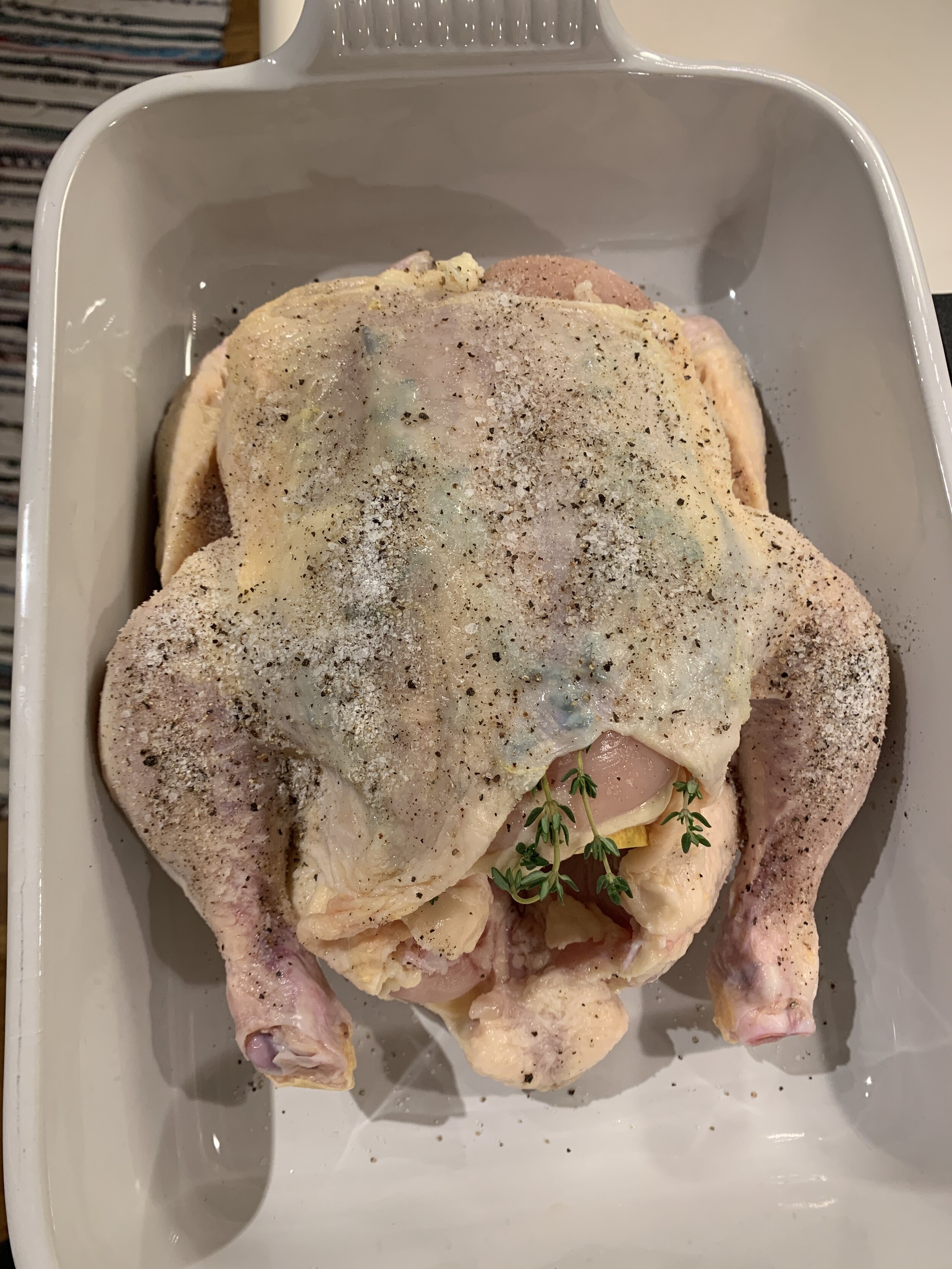
First off, I made my absolute FAVORITE salad, Zuni Cafe's Roast Chicken with Bread Salad. There are many versions of this famous recipe online. I personally like Ina Garten's, Smitten Kitchen's, and America's Test Kitchen's versions. The absolute best part of this salad is the bread. You cook the bread under the chicken while it roasts, so it absorbs the drippings from the chicken, and it caramelizes in the hot oven. I could live on that bread. The salad is perfectly balanced with the currents, scallions, and vinegary, mustardy dressing. Someday I hope to eat the original version at Zuni Cafe in San Francisco.

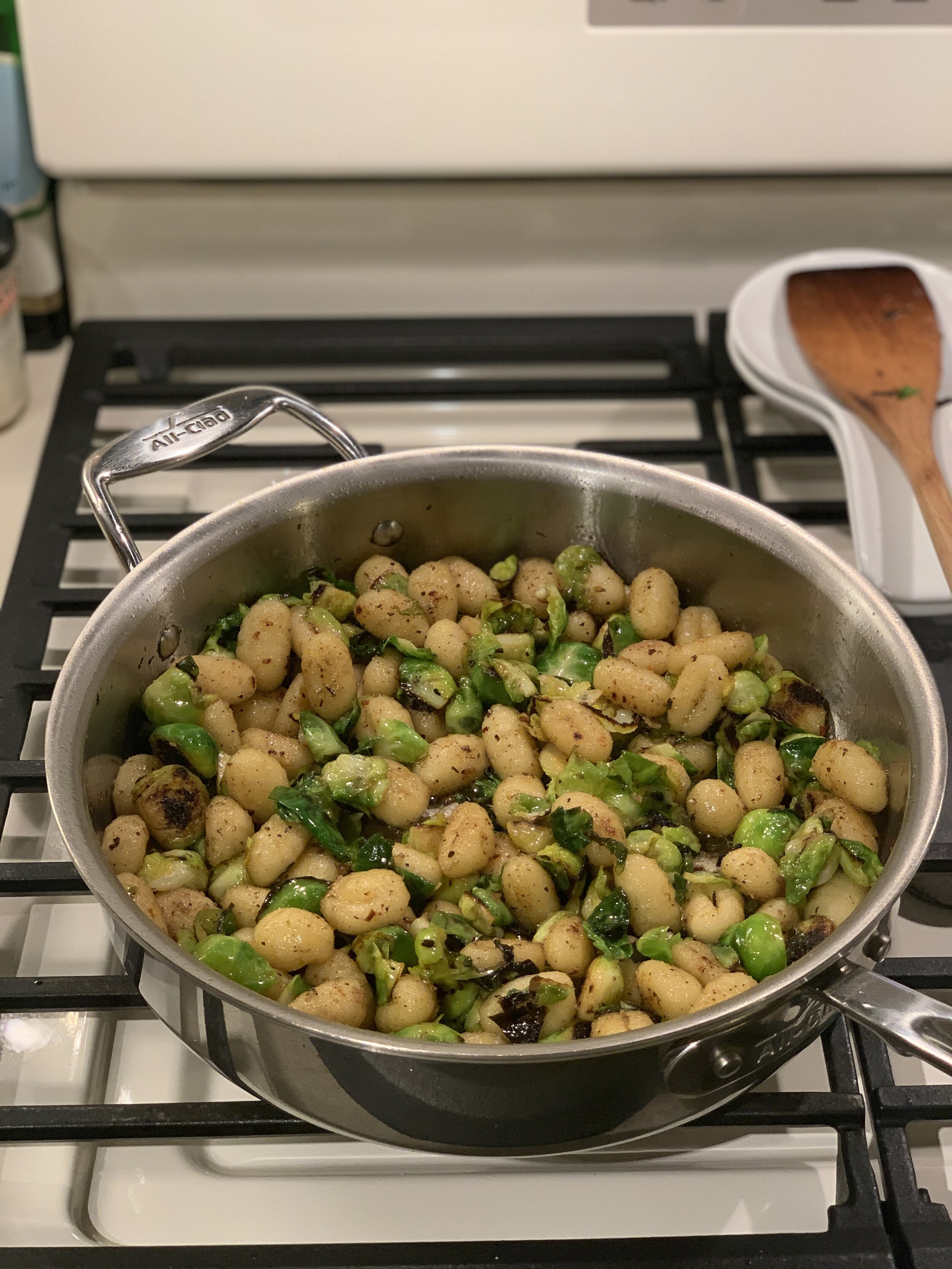
Another recipe we love that I made this week is Crisp Gnocchi With Brussels Sprouts and Brown Butter. It's so yummy. The textures are fantastic in it, and it comes together quickly and easily. I use Trader Joe's shelf-stable gnocchi, and it works great.

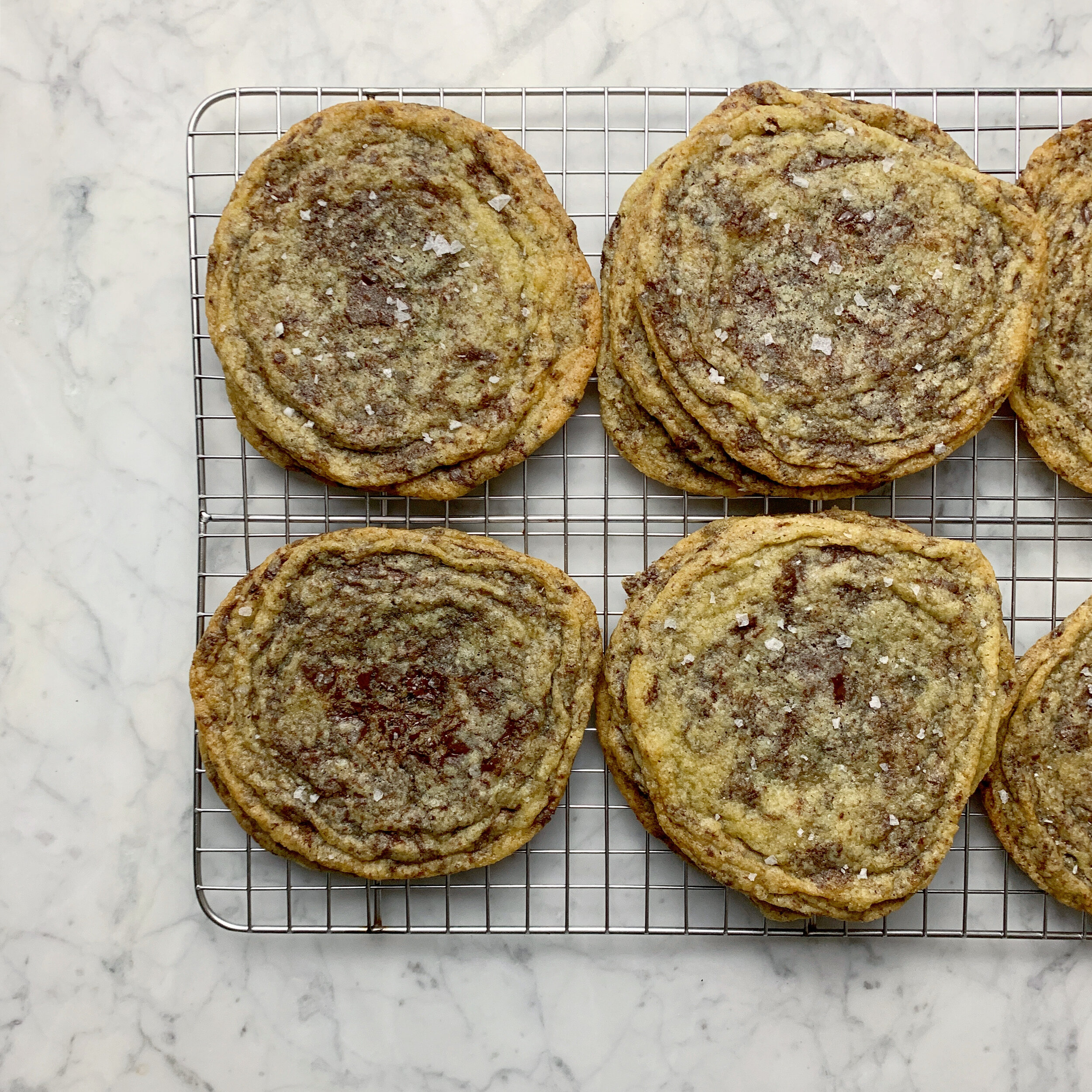
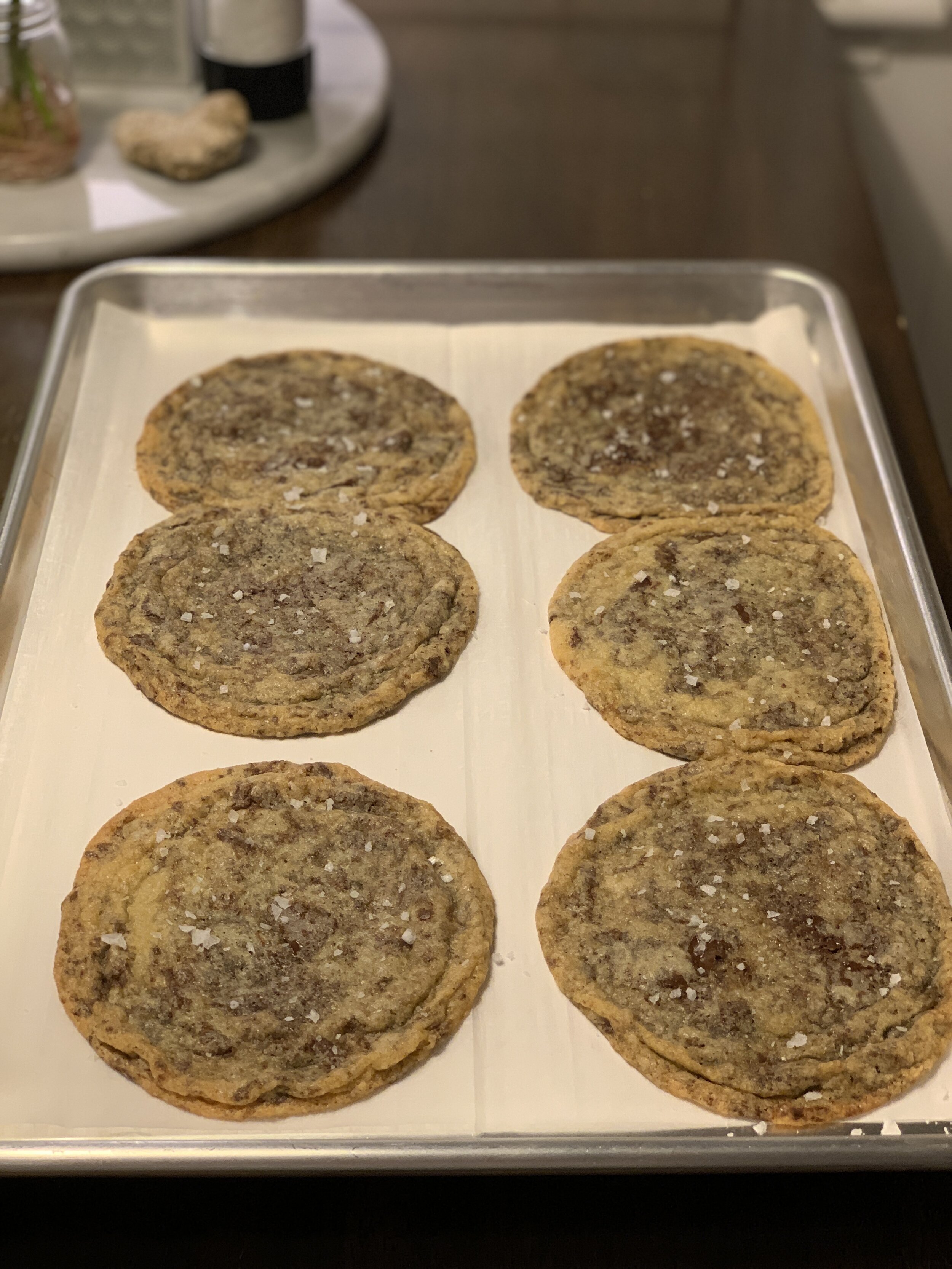
I also made Giant Crinkled Chocolate Chip Cookies, which is an internet-famous recipe I've been dying to make for a long time. I used the recipe from the NYTimes, but there are a lot of versions out there. The cookies are called "pan-banging cookies." As the cookies back, you pull the pan out of the oven and bang the pan, so the cookies fall as they start to puff up. The caused the crinkles, which brown slightly as they back. The cookies hit all the marks. They are thin, crisp, chewy, and soft. I added a little sea salt to the tops, so they were sweet and salty. SO good. They are giant too. I made mine slightly smaller than the recipe suggested and they were enormous, but they are super thin.

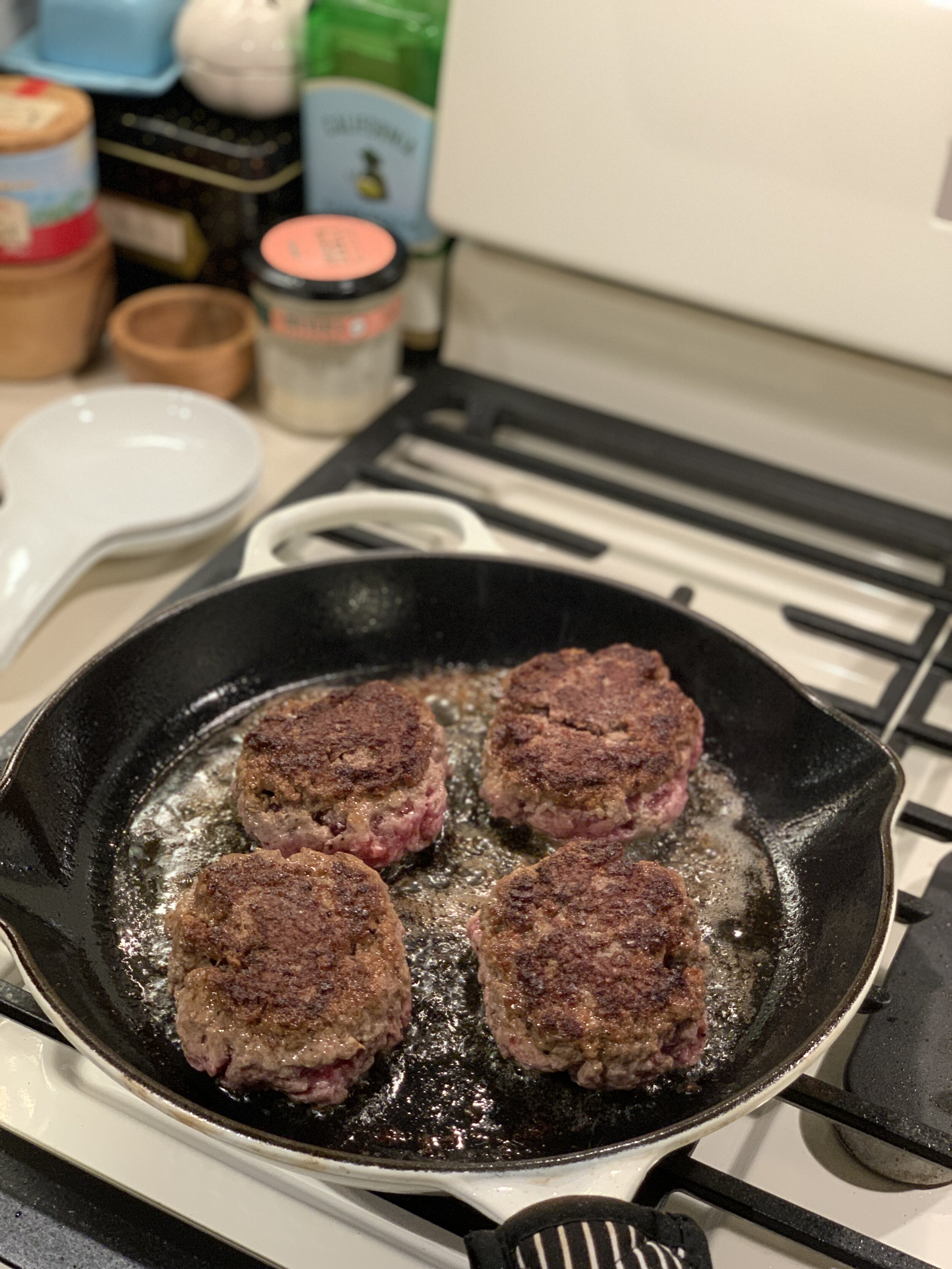
Finally, I made indoor cheeseburgers. Why do I crave food that is out of season? I have never made burgers indoors before, but they turned out great! I used my cast iron skillet and heated it first in the oven, and then cooked the burgers on the stovetop. They had a nice crust on the surface and were super juicy. More so than on the grill. They didn't have that wonderful grilled flavor, but it satisfied the craving.

Class starts next, and I'm really looking forward to diving into the semester and getting back to my routine.

Week 20 | Bread

This week I did a lot of baking. Baking is my favorite, and I had the time since I'm off work and school for the holidays.

I made Cotswold-Chive Scones, which I adapted from Ina Garten's recipe for Cheddar-Dill Scones. I had Cotswold in the fridge, which is an English cheese similar to Cheddar. It has onions and chives in it, which give the cheese so much flavor. The cheese is delicious, and so were the scones. We had them for breakfast with fried eggs, bananas, and mandarin oranges.

I also baked vegan chocolate cupcakes. I used the recipe Chocolate Cupcakes for Almost Everybody, which is from the NY Times. I have minimal vegan baking experience, so I am not very comfortable doing it. We went to a party at a friend's house, who is vegan for New Year's Eve. I like to bring something vegan when we go to her home to respect her choices. And honestly, it's a fun challenge. It's easy to make cupcakes taste great with butter and eggs. These cupcakes were delicious! The cake itself was great. I would absolutely make it again. I added coffee to both the cake and the glaze, which added an excellent depth of flavor. The glaze was very thin and somewhat sweet. However, I put the glazed cupcakes into the fridge for an hour or so, and the glaze firmed up slightly. The cupcakes tasted EXACTLY like a Hostess cupcake. I'm not sure if that is a good thing or not, but nostalgic. I would make them again but probably with a different frosting. I found a recipe from Sarah Kieffer for Vegan Peanut Butter Frosting. I think that looks awesome.

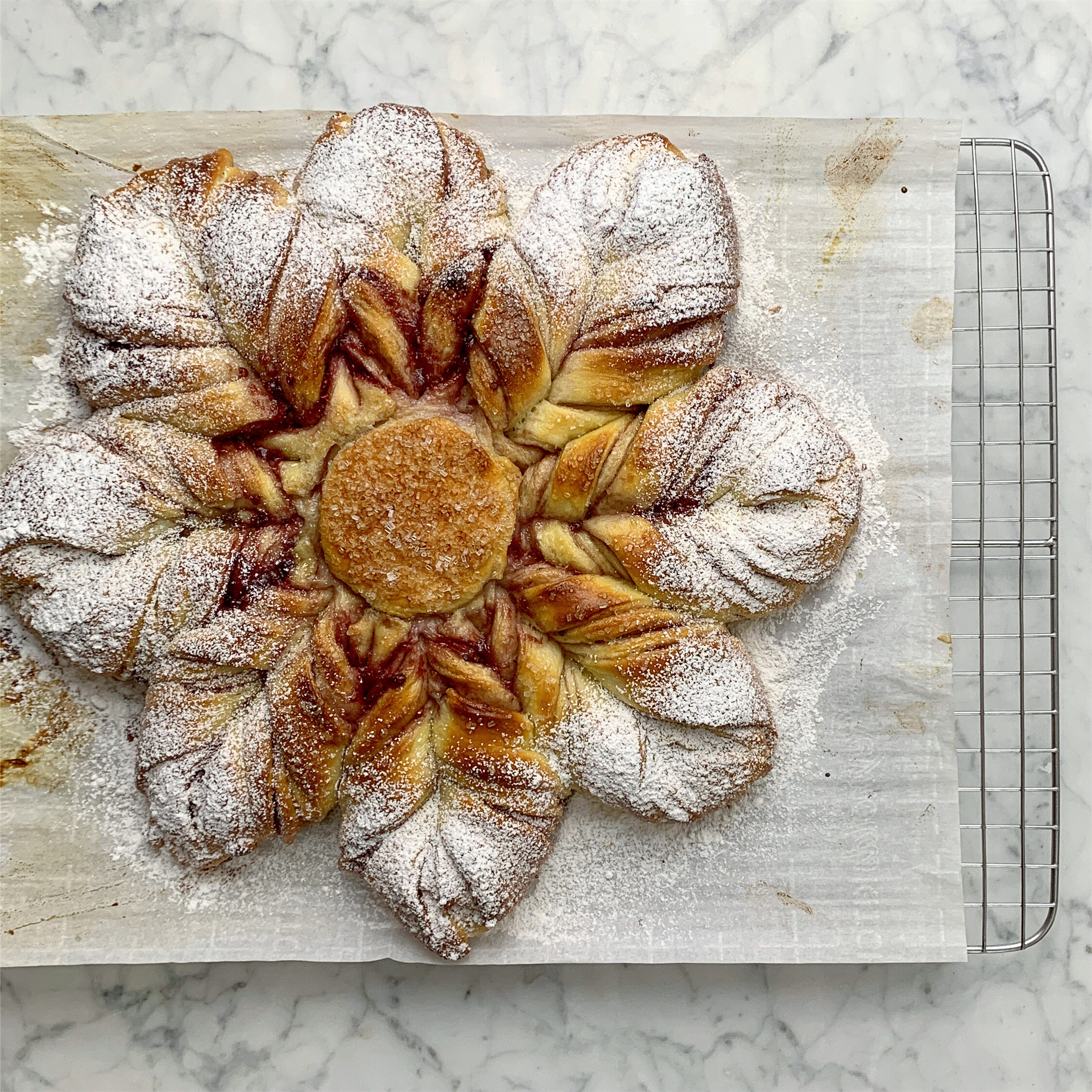
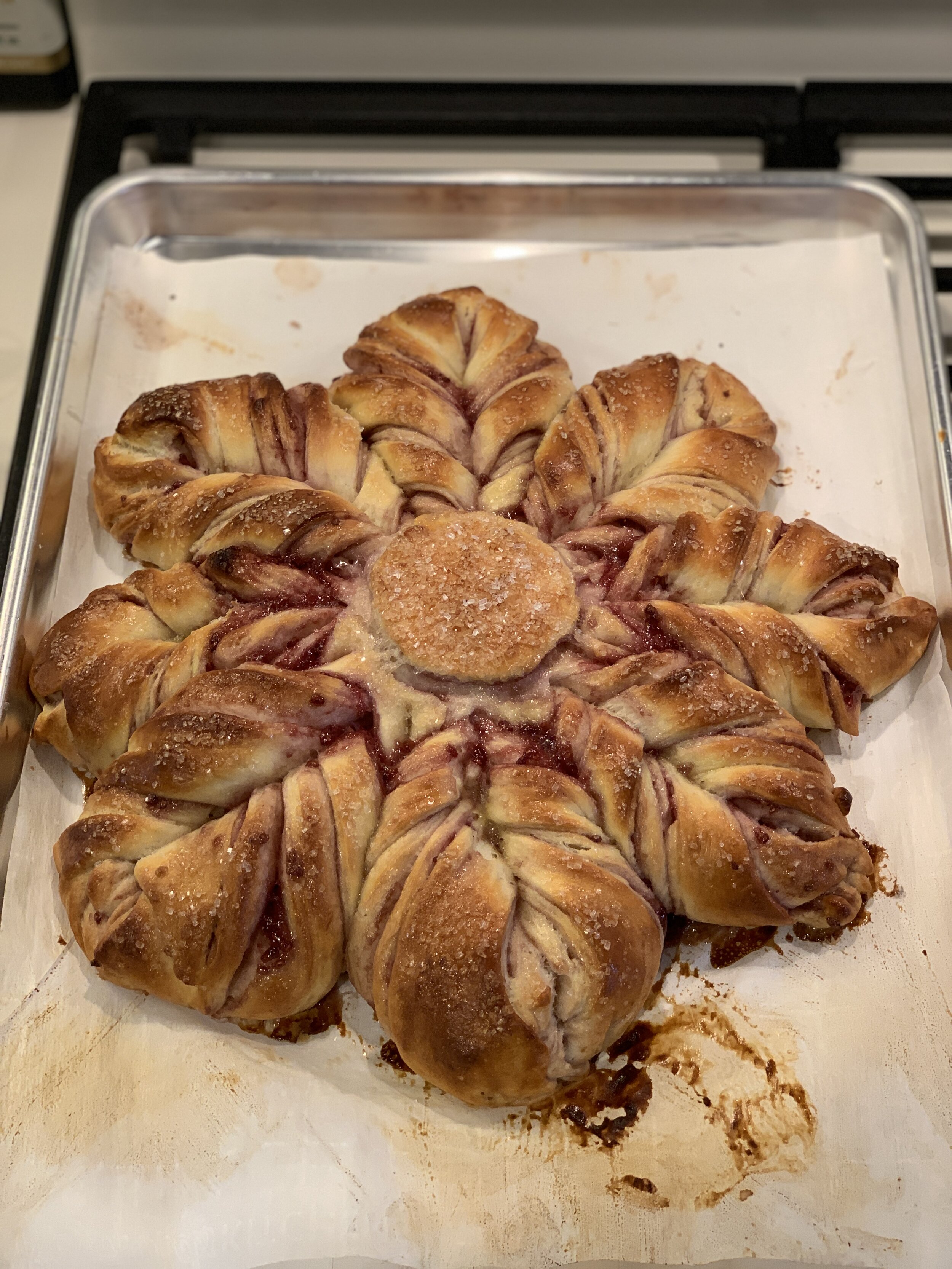
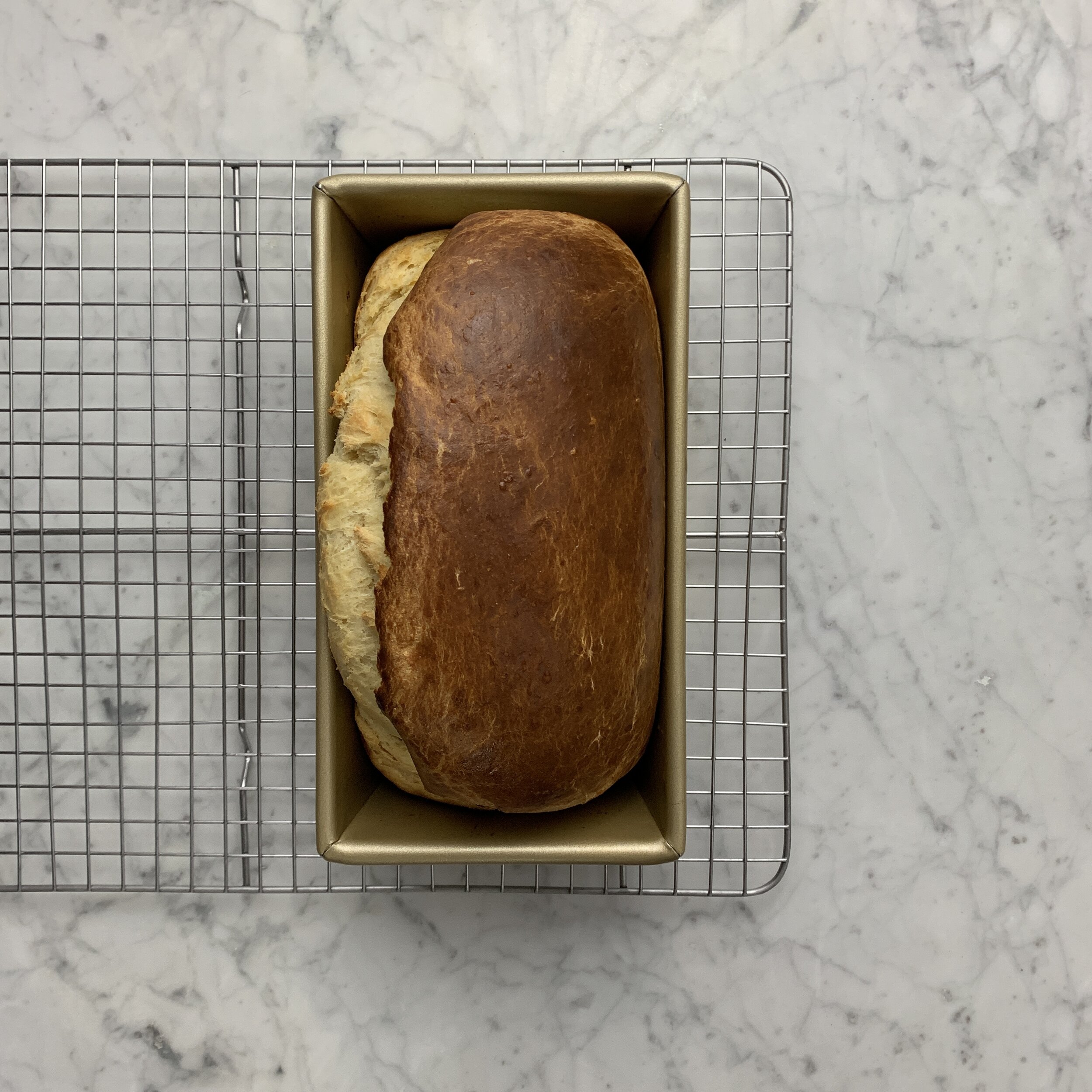
Now about the real show stopper. I made Raspberry Star Bread on New Year's Day. I started the dough a few days before and proofed it in the refrigerator. For the dough, I made an Amish-Style Milk Bread. The dough was incredibly easy to put together. The Raspberry Star Bread was delicious. I will definitely make it again. I used store-bought Bonne Maman (my favorite) raspberry preserves. The star bread would also be good with cinnamon-sugar, chocolate, or any flavor of preserves. The star bread only used half of the dough so I made a loaf with the other half. The loaf didn't turn out quite as well. The top exploded. I don't think the bread was under proofed, which can cause the explosion. I think I rolled the loaf too tightly. I'm not 100% sure though. Even though technically it could have been better, it still tasted great.

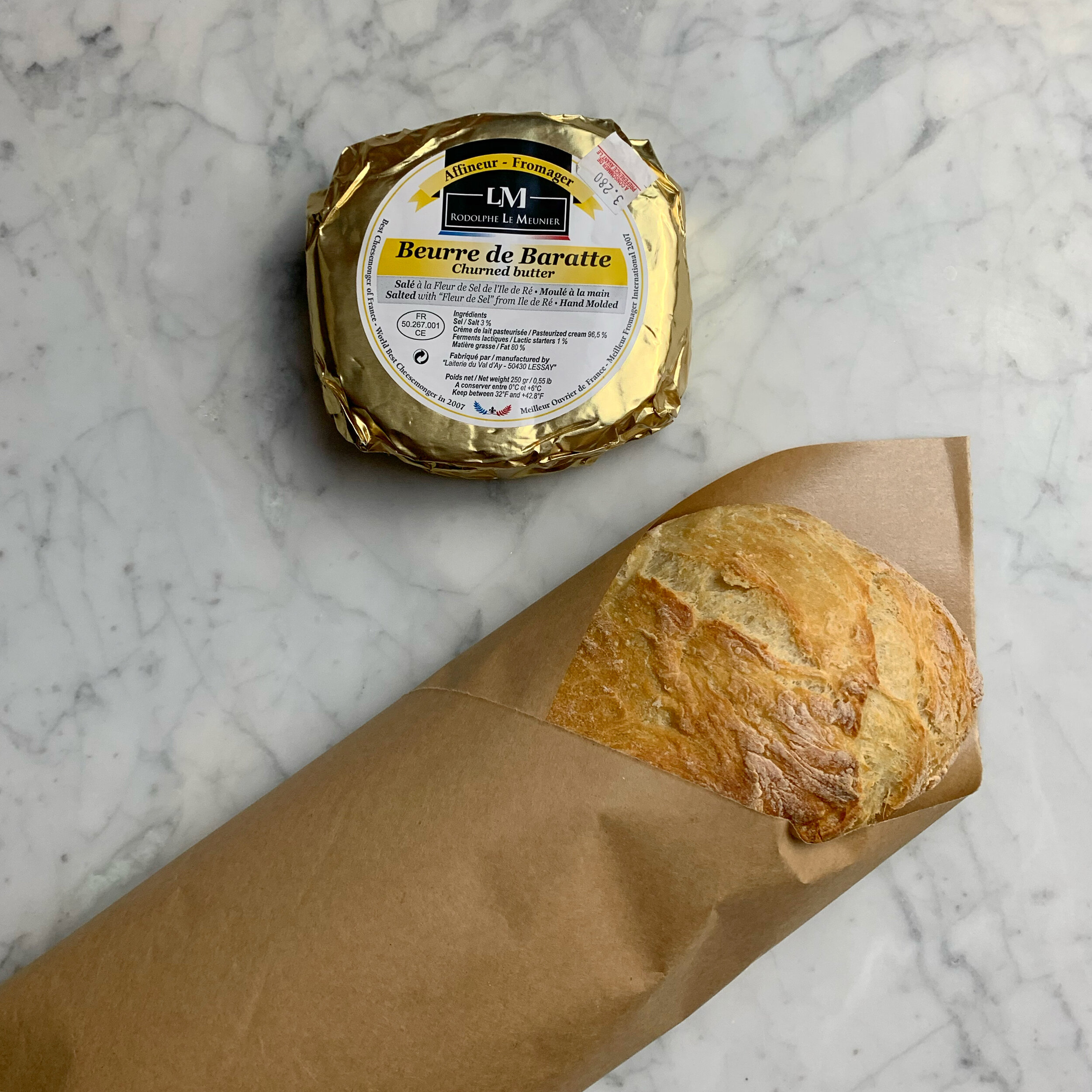
And finally, we got the most fantastic butter from our local cheese shop, Rodolphe Le Meunier. It's a french salted butter that is so delicious. Sometimes, you just need to buy fancy butter.

Next week is my last week before classes start. We have a busy week, but I'm going to be making MY favorite Roast Chicken with Bread Salad, which is a recipe inspired from Zuni Cafe in San Francisco.

Week 19 | Christmas Cookies

 This week I made all the Christmas cookies. I made Christmas cookies for an annual cookie exchange we host and Christmas cookies with my family.

Every year we host a cookie exchange with a small group of friends. Each person brings 30 cookies, then every person leaves with 30 cookies, but a variety of ten different cookies. This year my wife and I made Coconut Macaroons and Mascarpone Cream Cutouts*. They both turned out so good! We make the Coconut Macaroons every year. However, this was the first time making the Mascarpone Cream Cutouts.

The MCC had mascarpone cream in the dough, along with nutmeg. The nutmeg flavor was pretty mild. I'd use freshly grated nutmeg next time. I made the cutout cookies a day before filling and decorating them. The filling had mascarpone cheese and vanilla. There was also a powdered sugar glaze on the top of the cookie. The texture of the cookie was pretty soft, which made the double cookie easy to eat. They were delicious, and they held up well in the refrigerator for days after they were all assembled and decorated. I plan on making them again next year. I want to use a small snowflake cutout for the center and a bright white sprinkle.

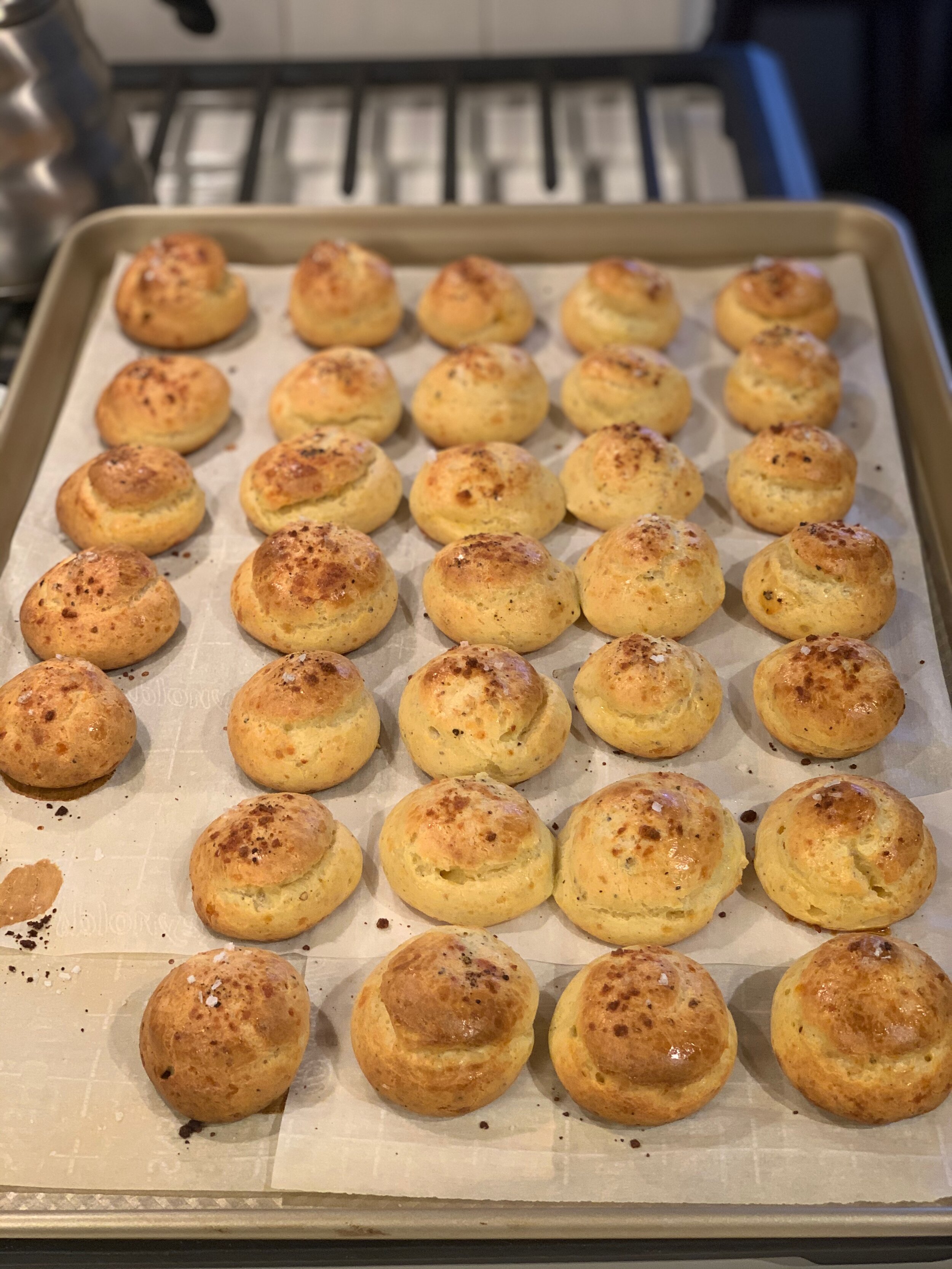
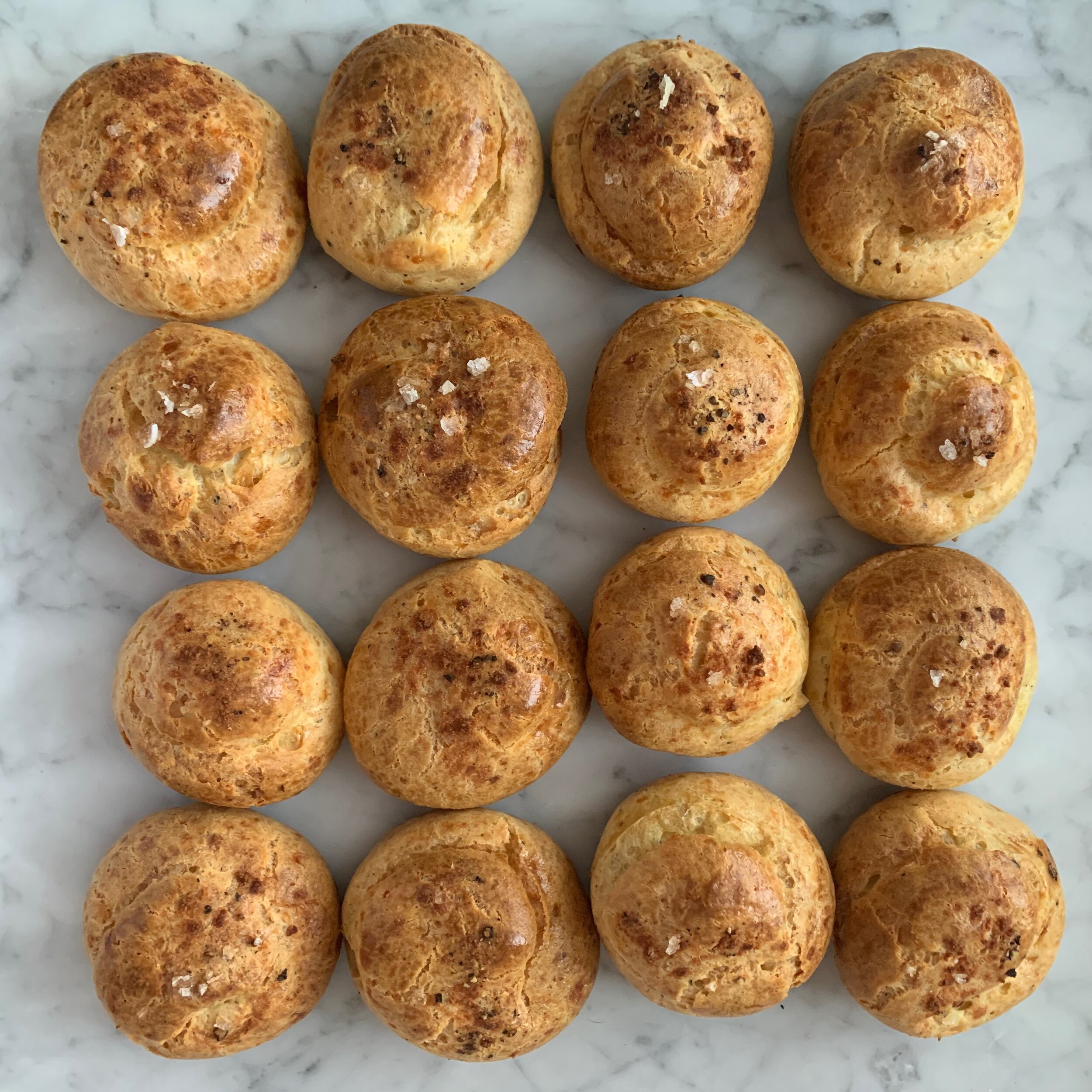
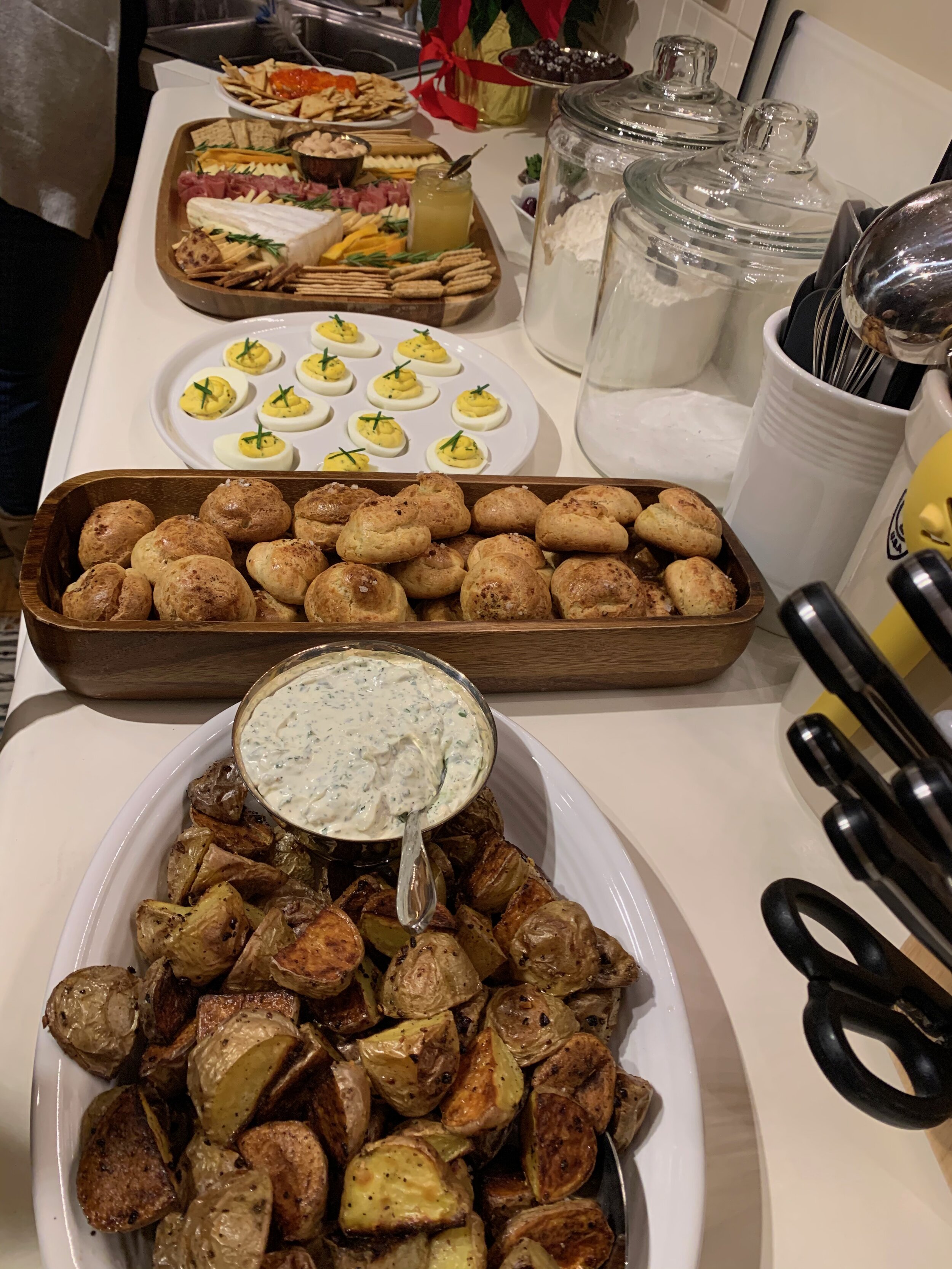
I made all the food for the cookie exchange. I made Cacio E Pepe Cheese Puffs, which were made from a choux pastry. They turned out perfect. I made classic deviled eggs, which are always a crowd-pleaser. Roasted Potatoes with Herb Dip is an appetizer I stole and modified slightly from my sister. She serves potato wedges at her annual Christmas party. I changed it up a bit by roasting small Yukon gold potatoes with garlic, salt, and pepper. I served them with a fresh herb dip consisting of dill, parsley, and scallions. The potatoes have a bit of a crunchy texture and are perfect served at room temperature so you can have them all ready to go before guests arrive. I served a charcuterie board with cheeses, meats, nuts, dried fruit, herbs, and crackers.

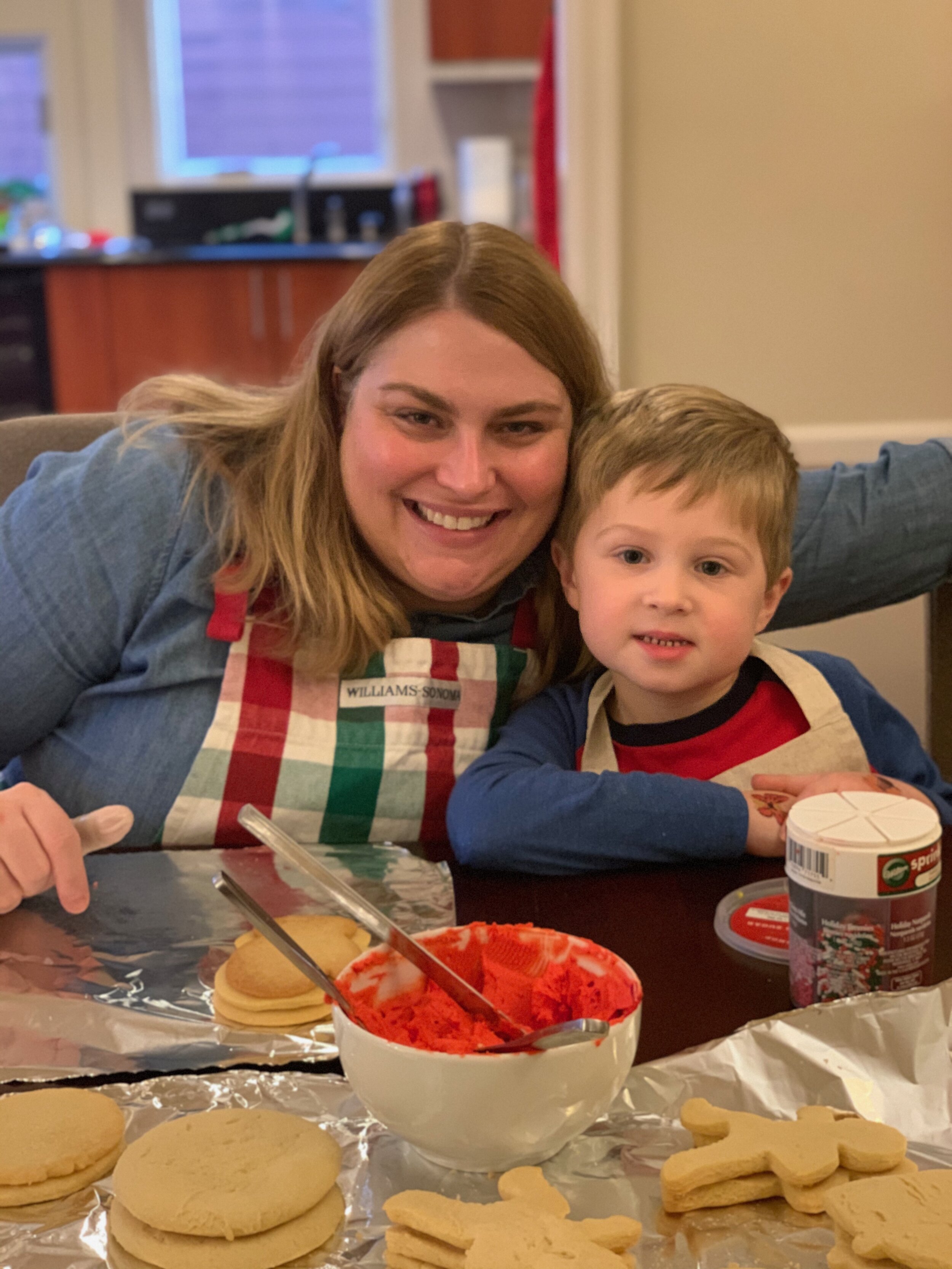
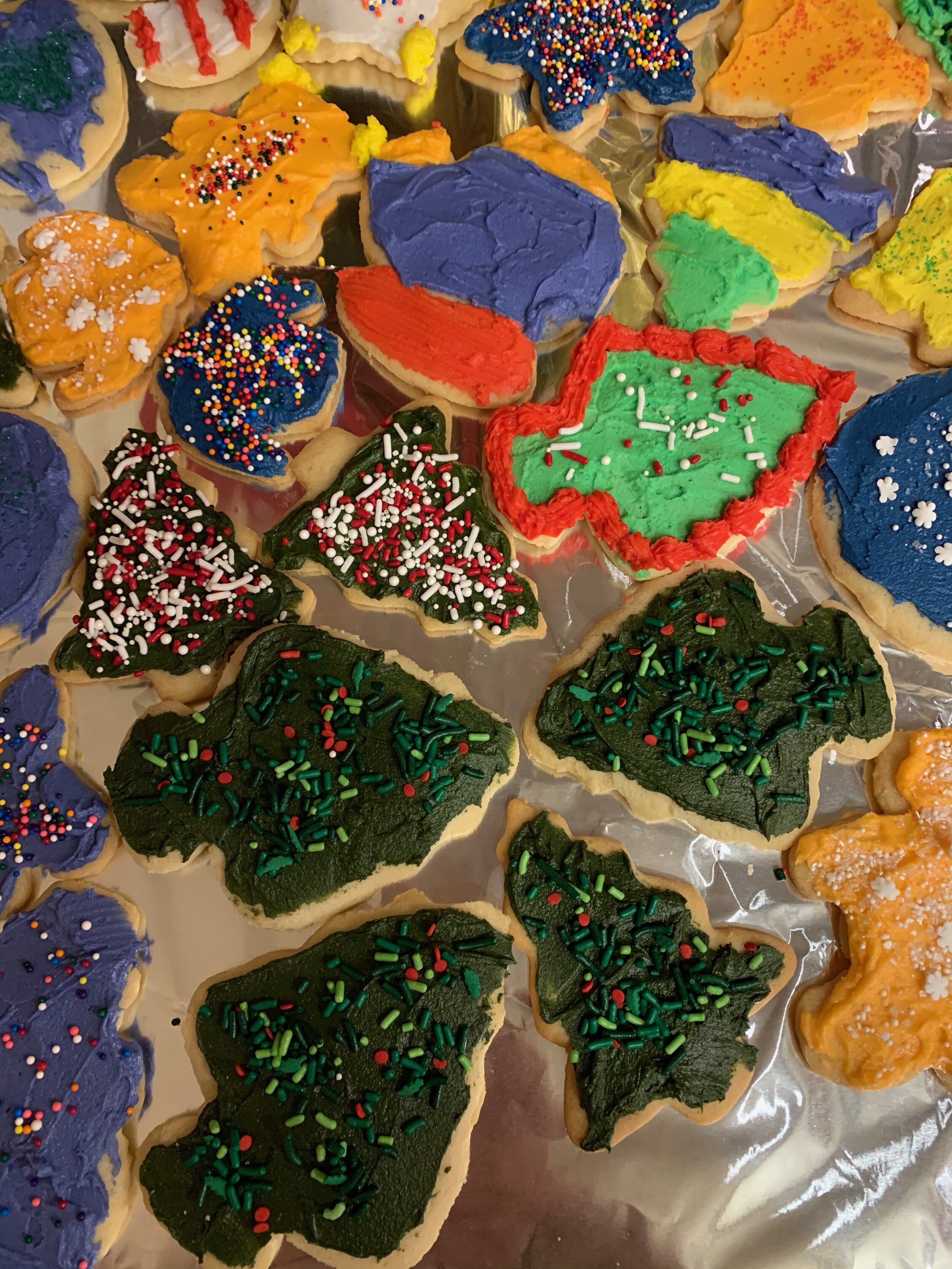
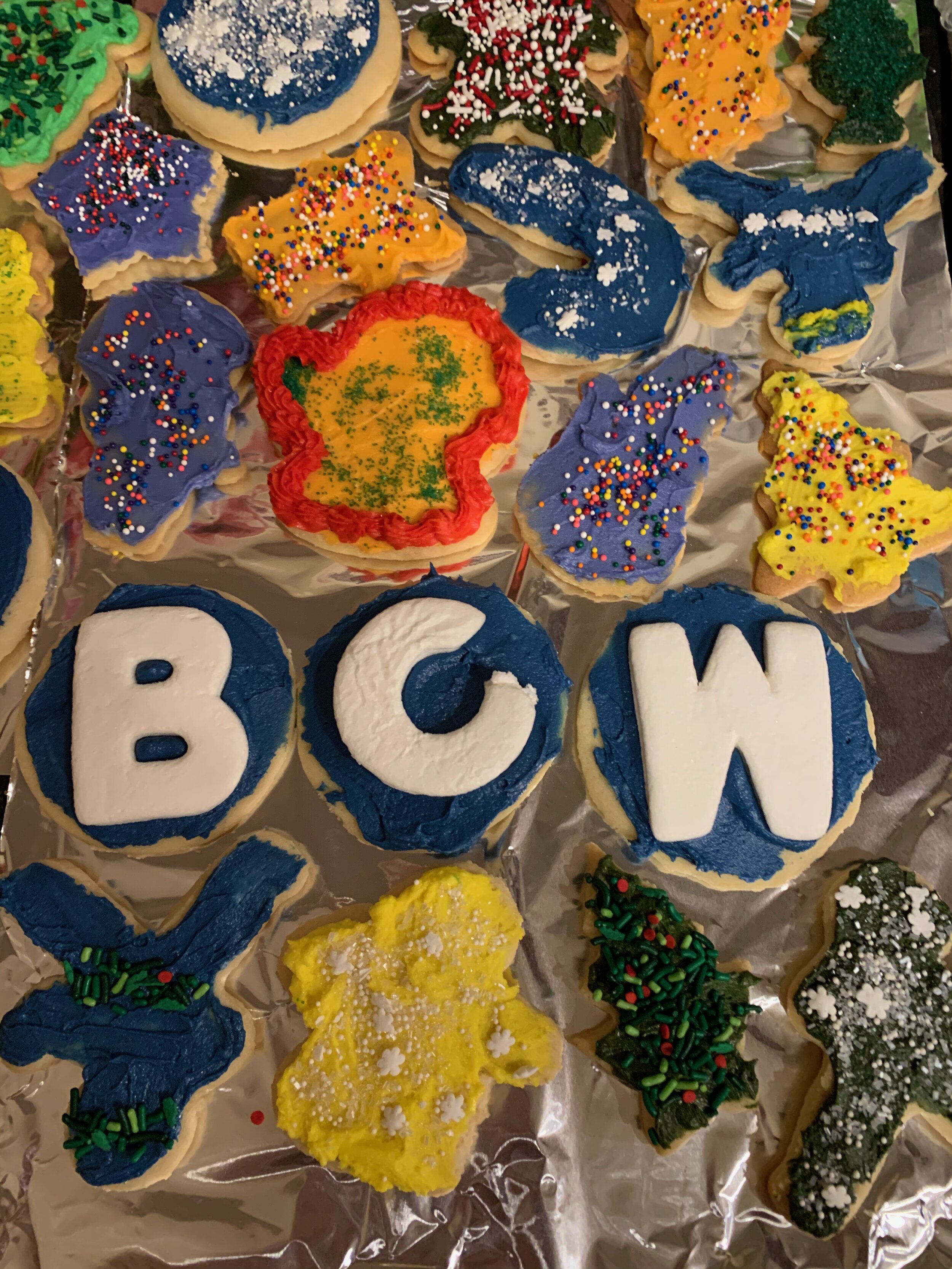
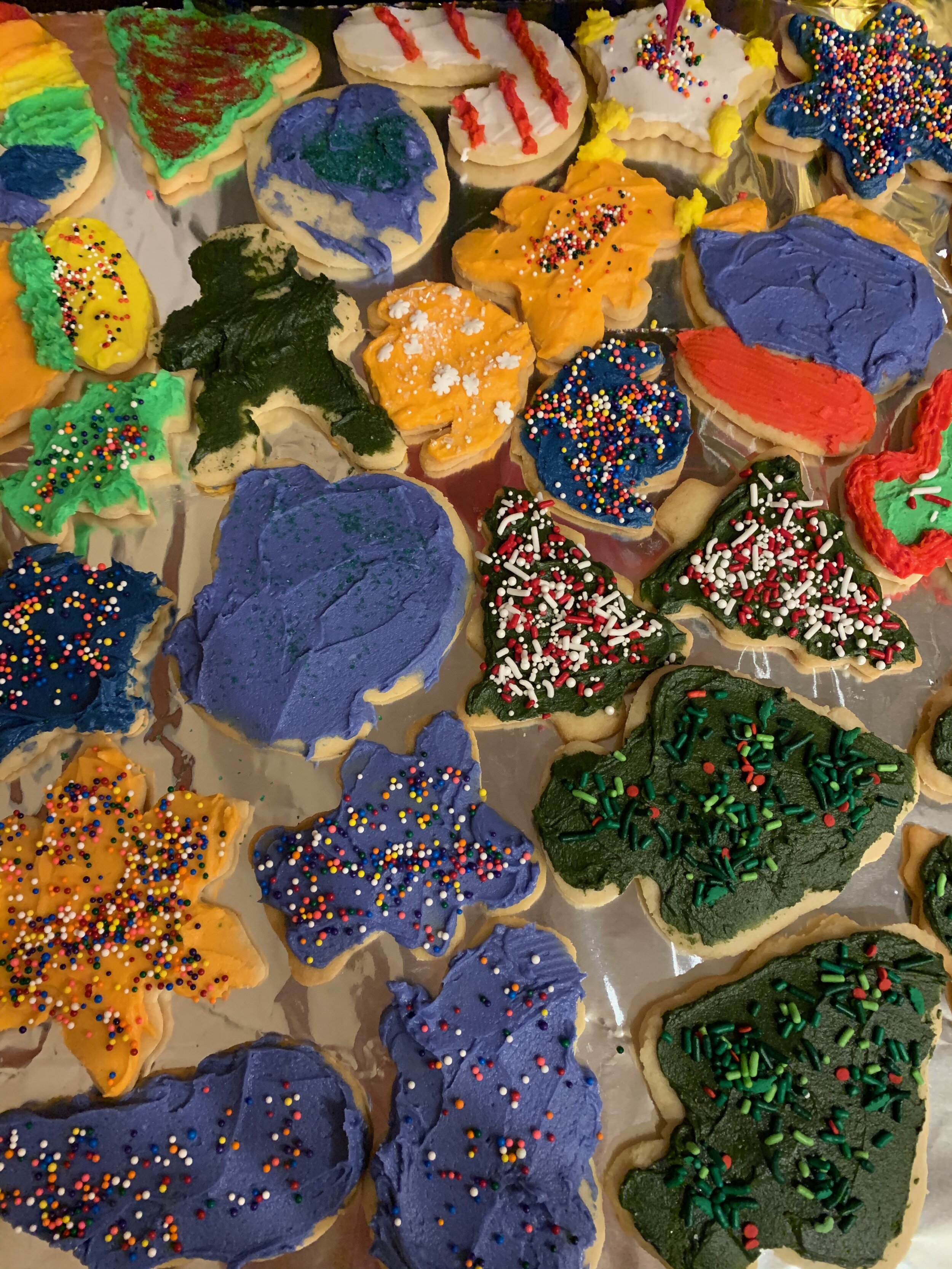
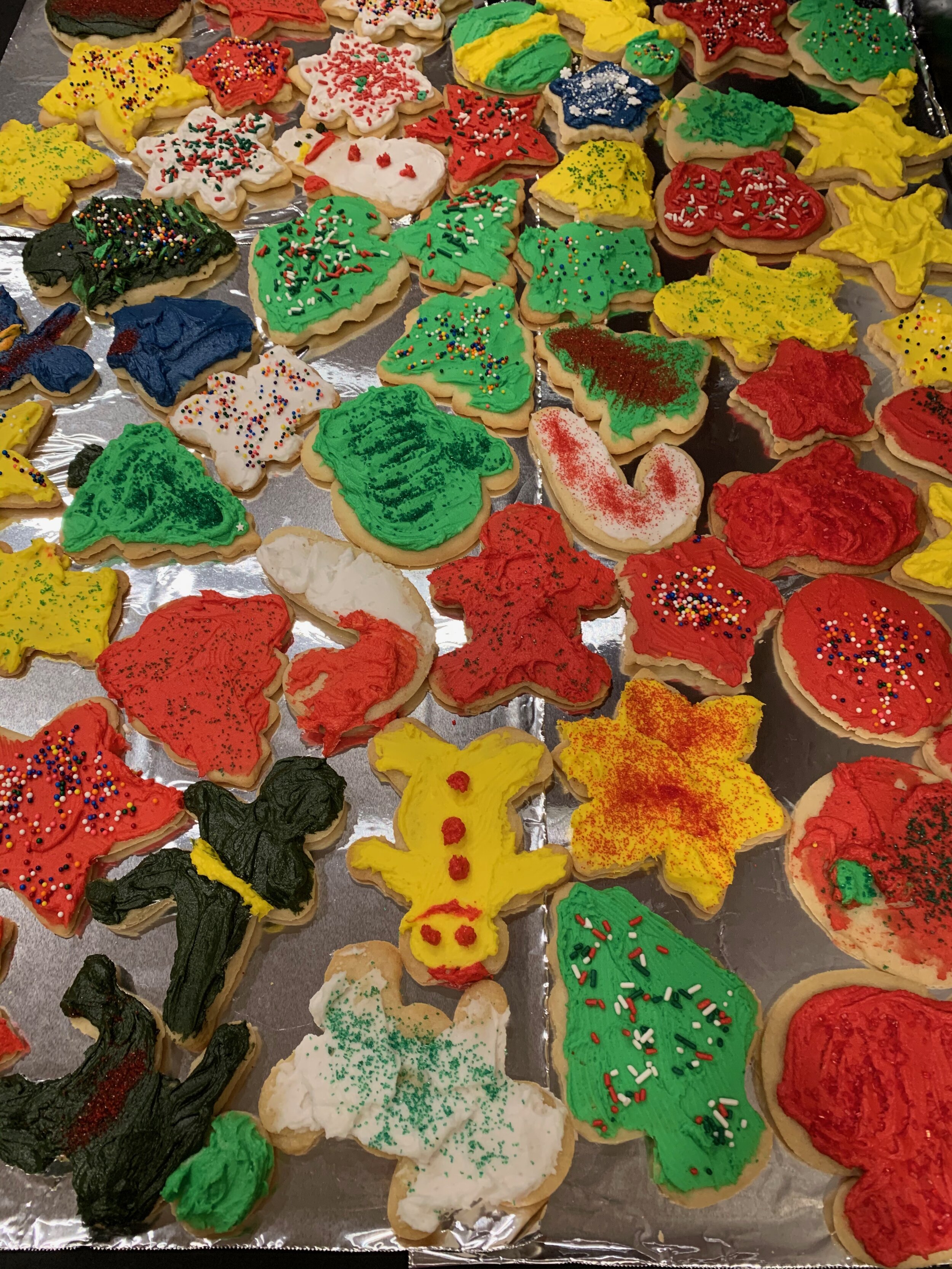
Later in the week, we made Christmas cookies with my family. I made our family sugar cookie dough earlier in the day, so the cookies were cooled and ready to be decorated. The cookie dough recipe uses Crisco as the fat. It's the hardest dough to roll out, but I had good luck this year with parchment paper. The frosting we make is also made with Crisco, powdered sugar, almond extract, and heaps of food coloring. We all decorate them. They are colorful and a bit of a mess. However, we have a good time. They taste perfect and nostalgic. The flavor of the cookies is more sentimental than good. They are a bit oily, but they taste like Christmas to me.

Next week is my last week off from work and school, so I hope to do a lot of cooking. I'm planning on making Amish-style Milk Bread, Raspberry Star Bread, Vegan Chocolate Cupcakes, and my favorite Chicken and Wild Rice Soup. Happy New Year!

*The recipe for the Mascarpone Cream Cutouts is from Better Homes & Gardens Special Interest Publications “Christmas Cookies” page 55. The recipe isn’t available online.

Week 18 | Catering

This week I catered my first small dinner party. My Mom and a group of her friends asked me to cater their annual Christmas Party. I knew all nine of the women at the party; they are Moms of some of my friends from high school. They are incredibly supportive and generous. So, it was like catering a party for your own personal cheerleaders. It was amazing. It is not lost on me how incredibly privileged I am to have so many supportive people in my life. I am extremely grateful for all the opportunities I have.

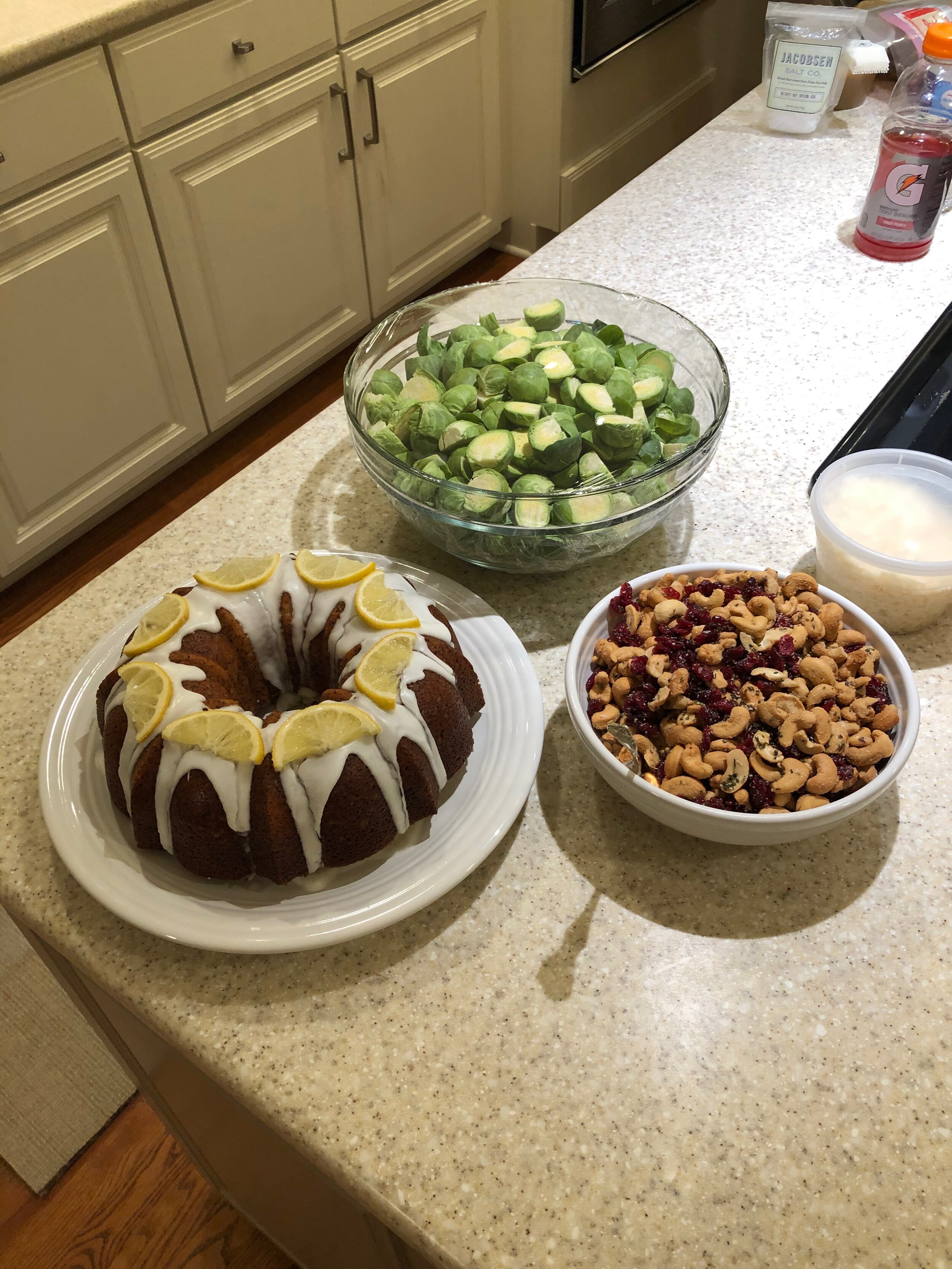
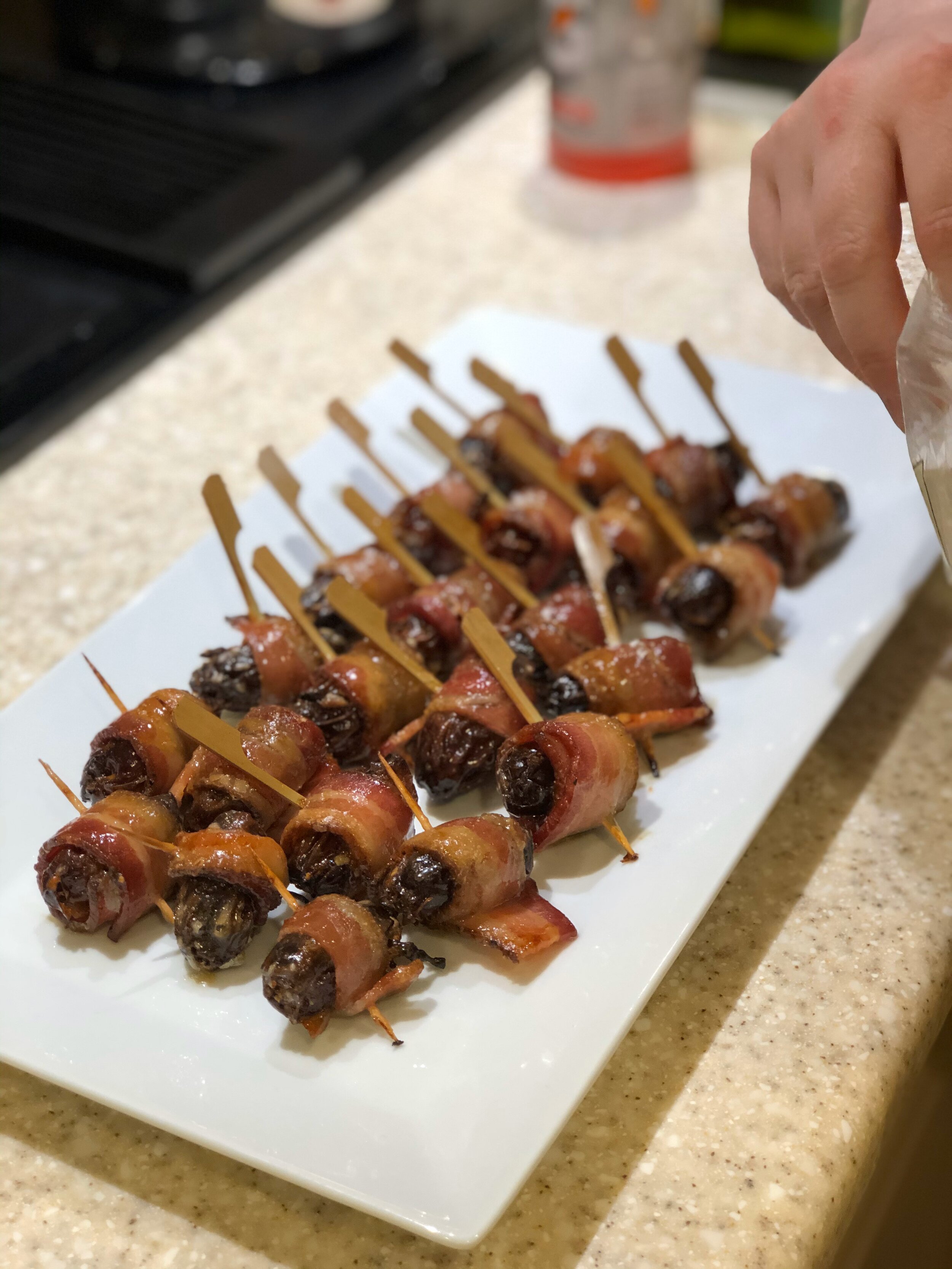
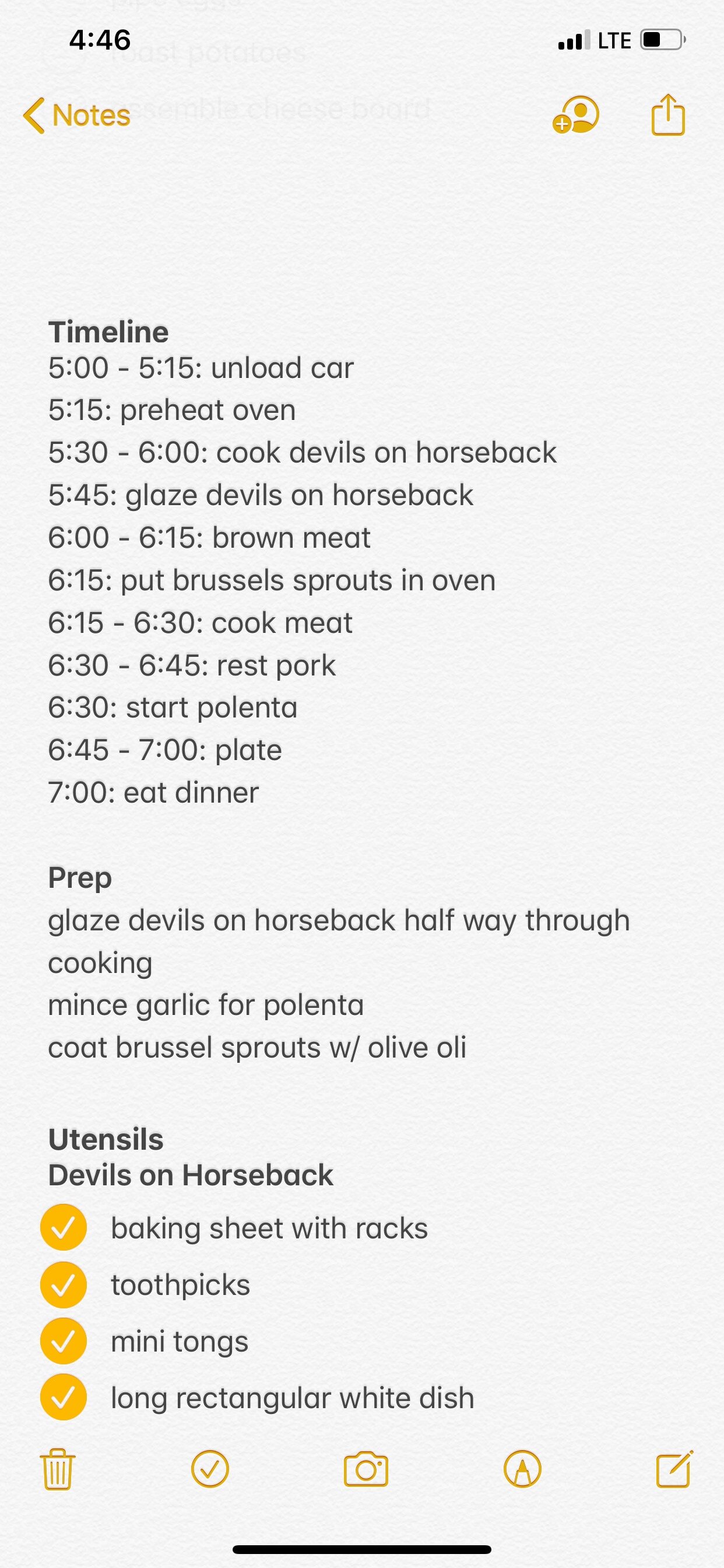
I made blue cheese-stuffed, bacon-wrapped dates, also known as Devils on Horseback and Rosemary Cashews, for an appetizer. They both turned out great. Confession, my wife Maggie made the Rosemary Cashews. They are her specialty, and I would never even try.

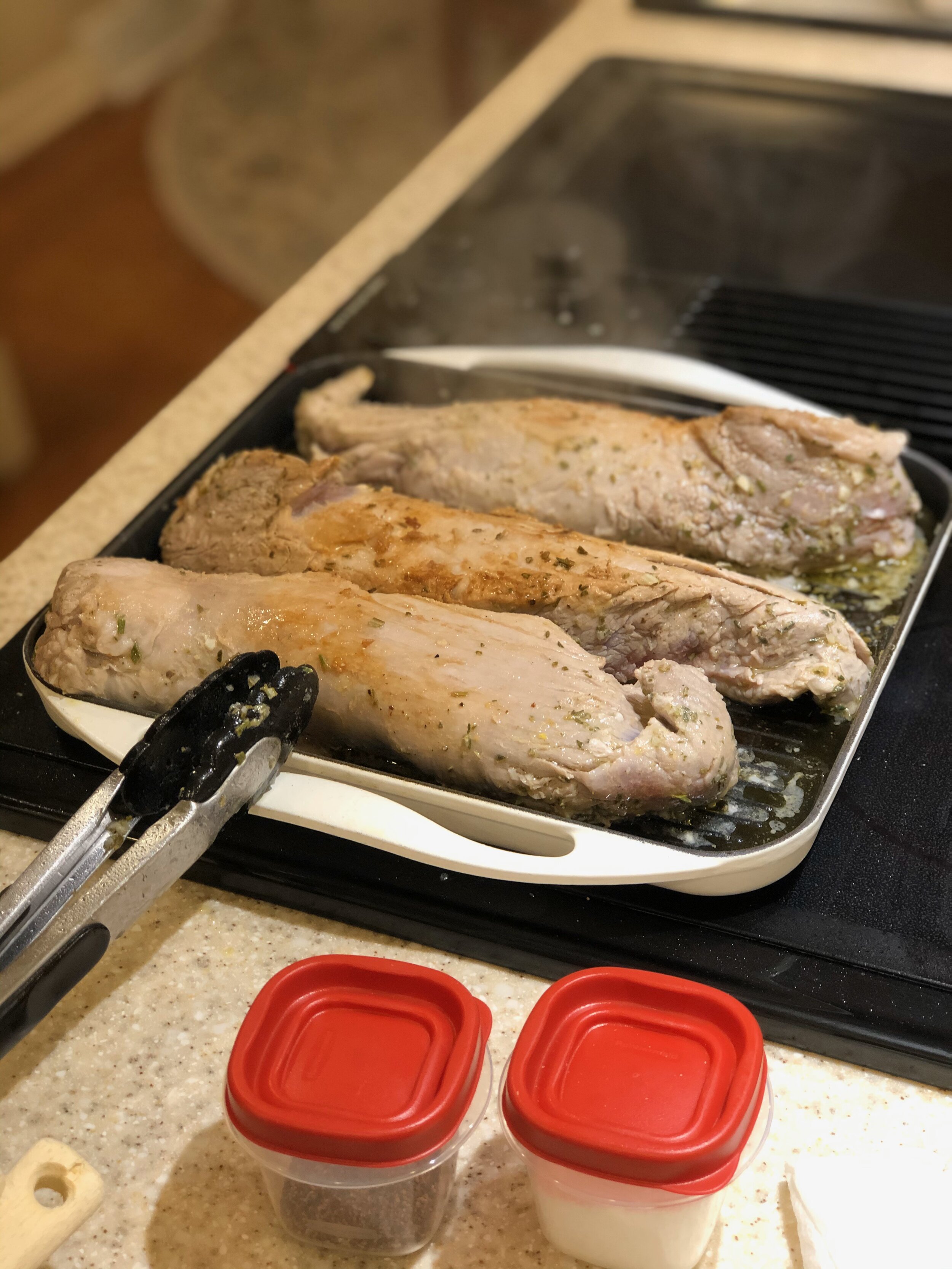
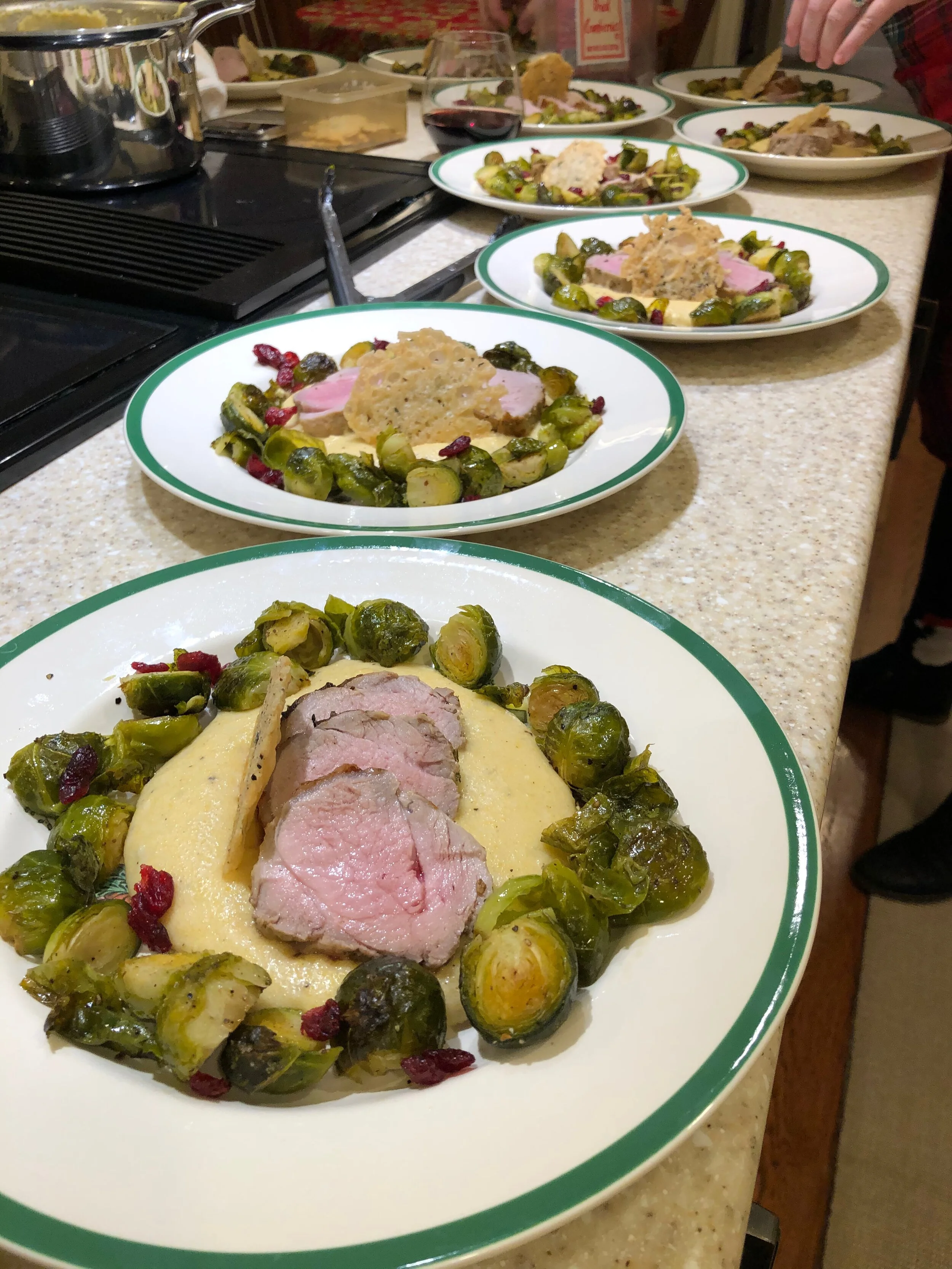
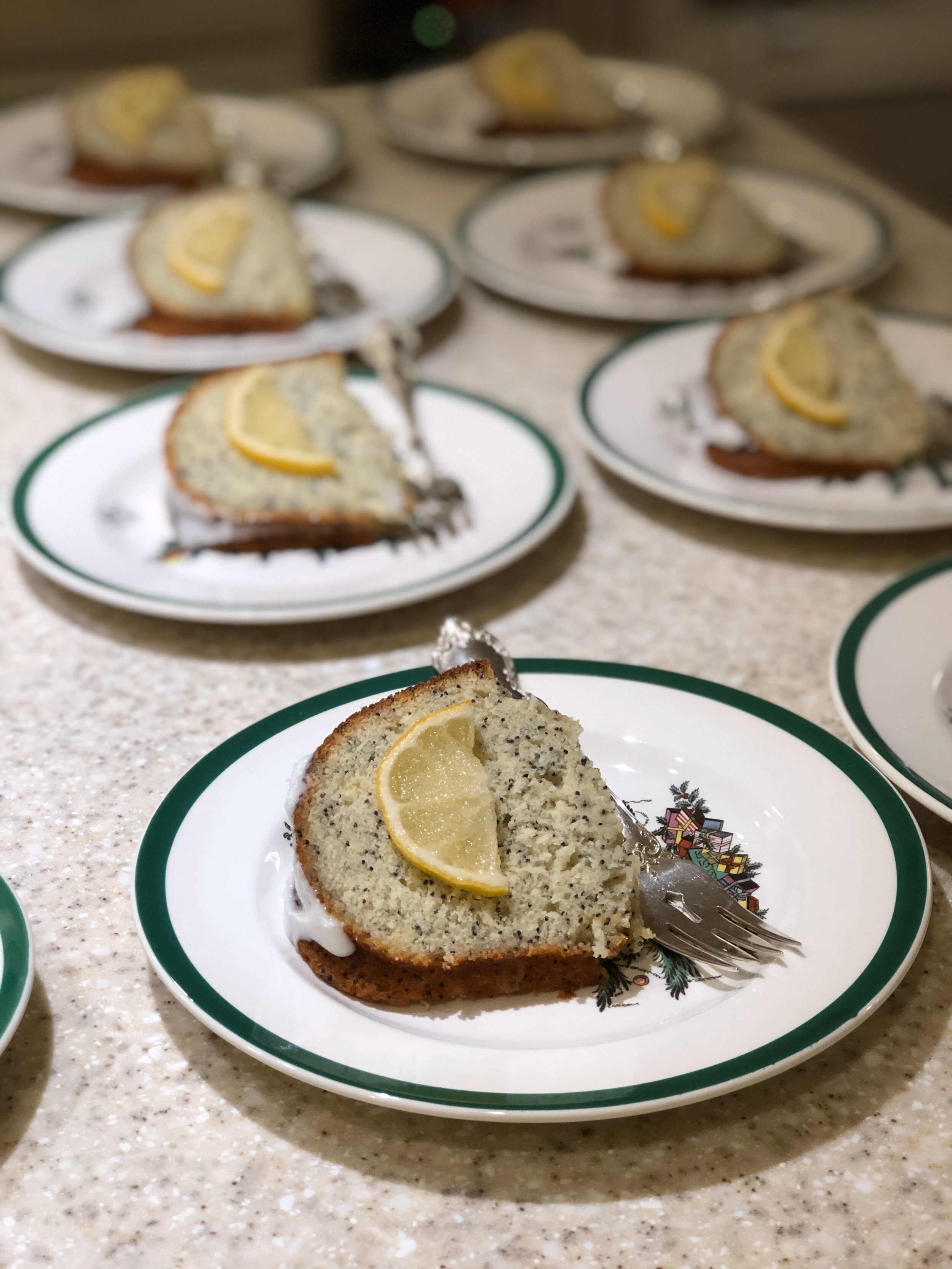
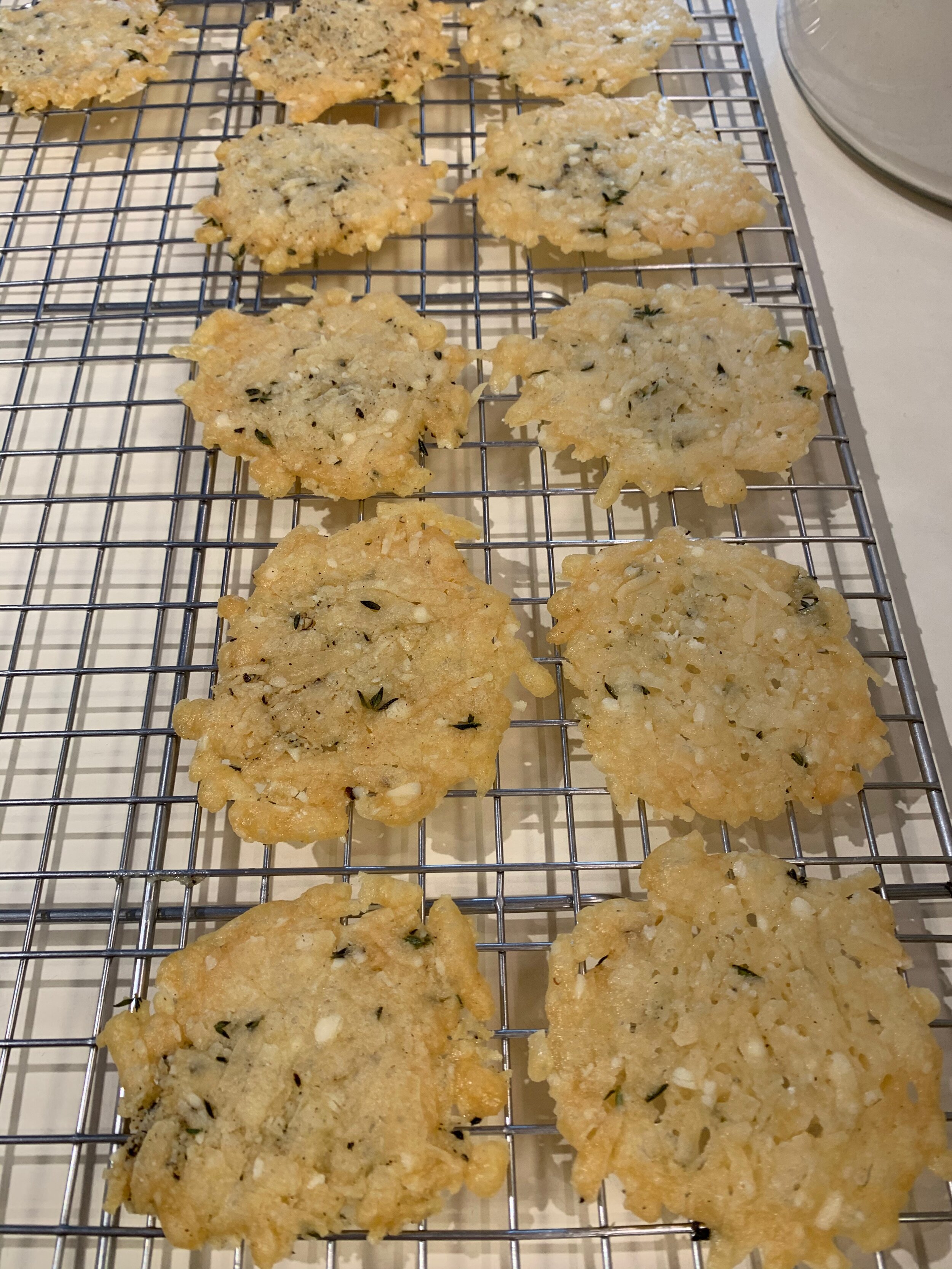
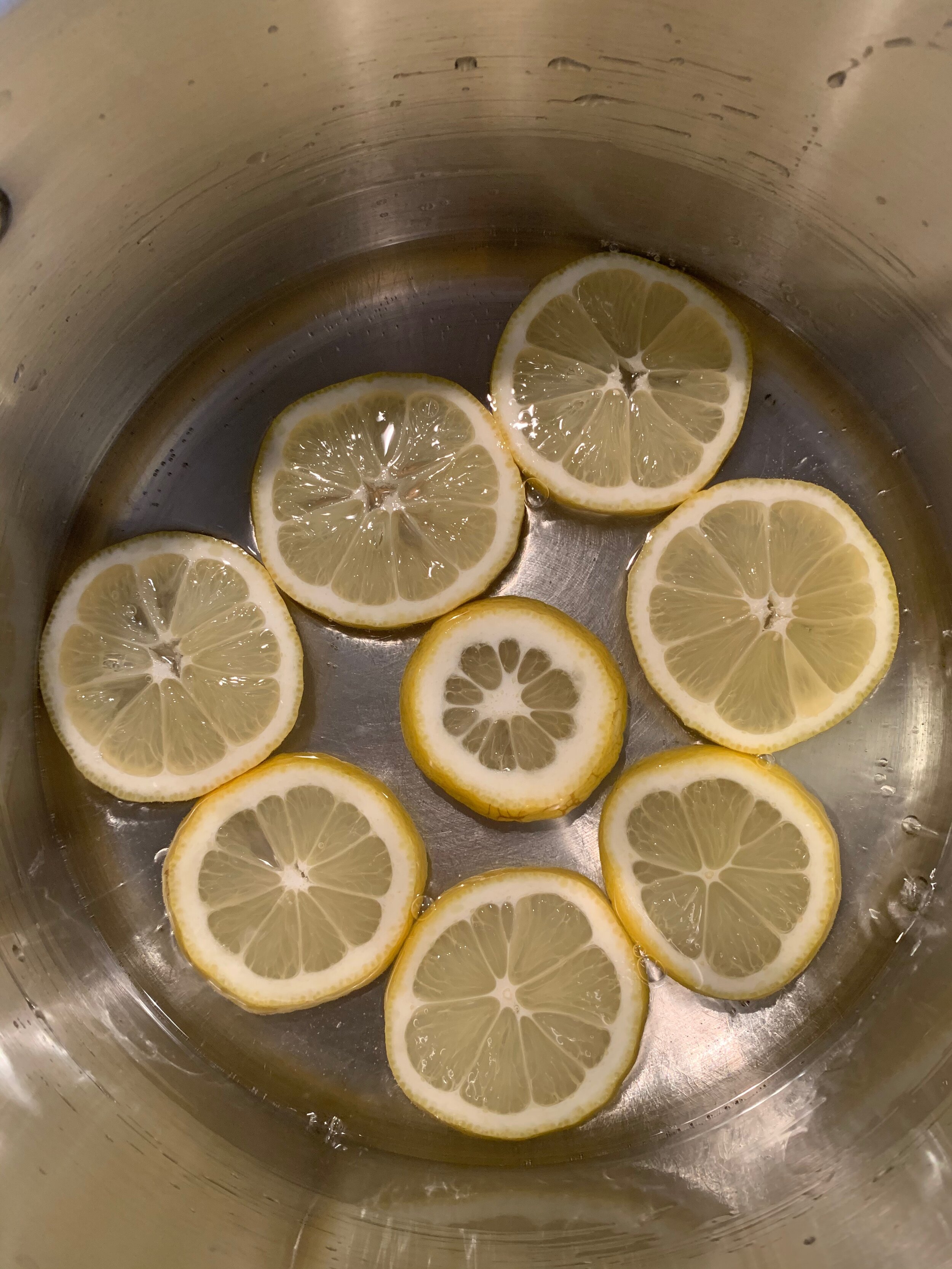
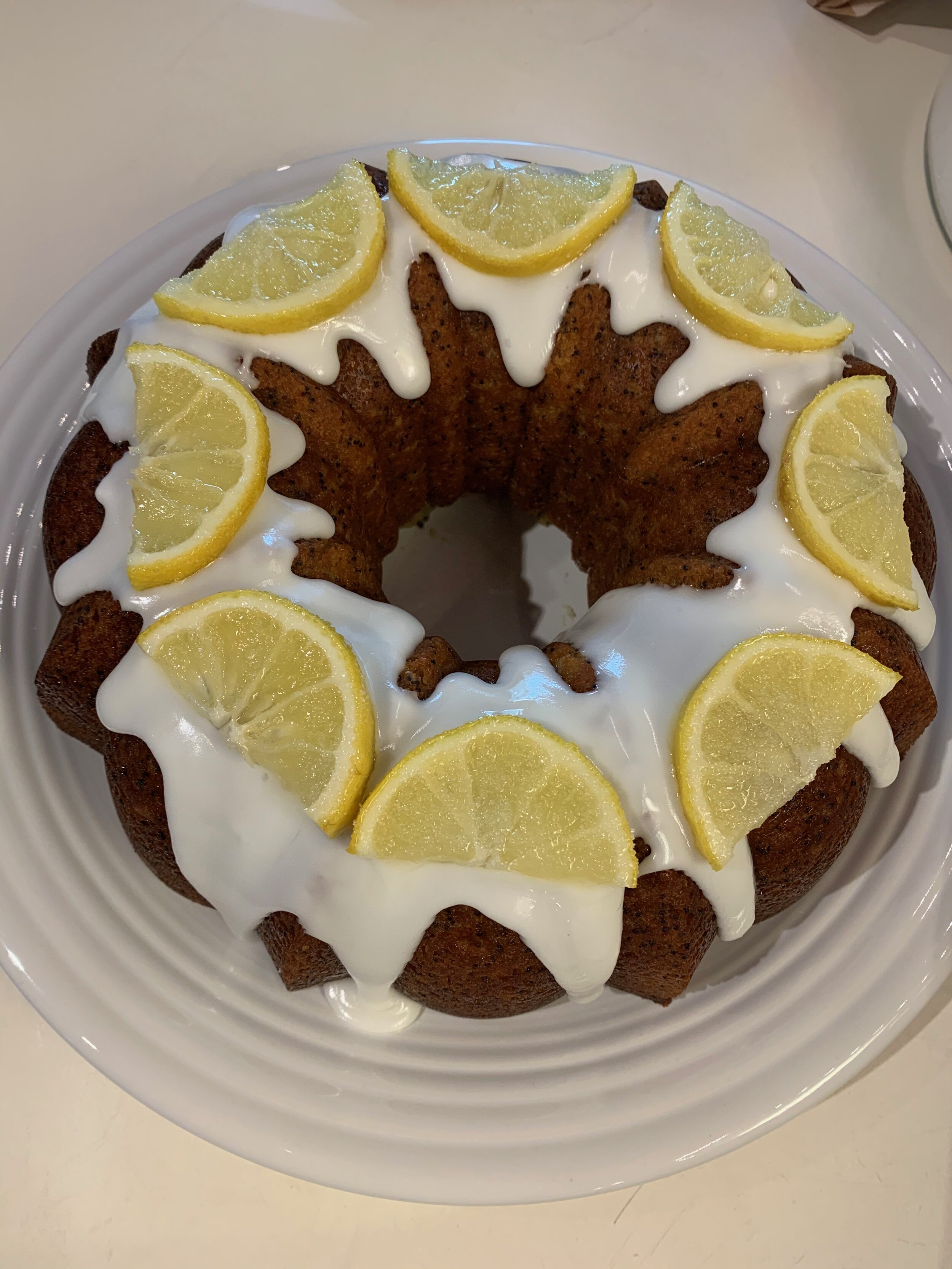
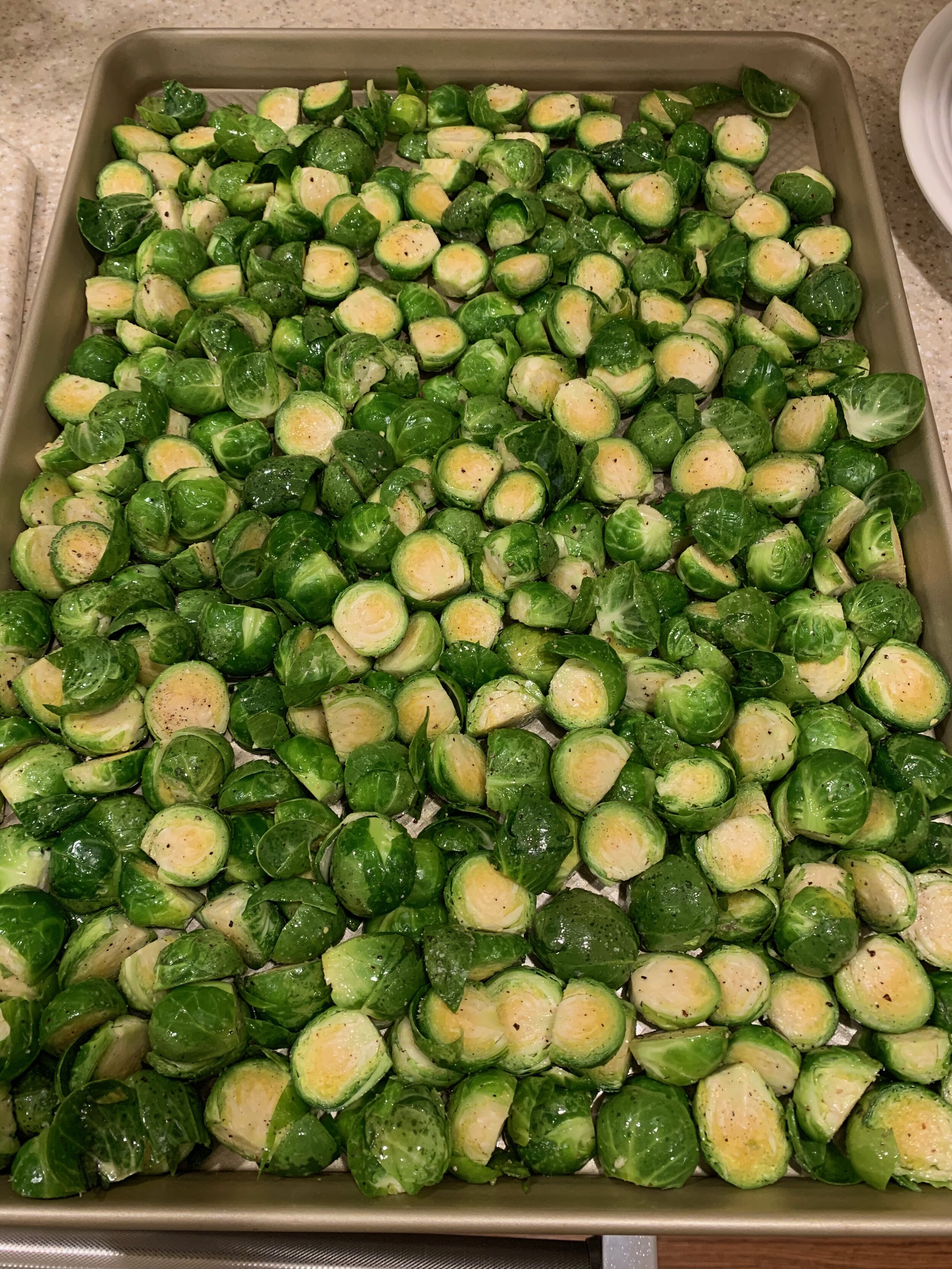
For the main course I made Herb-Marinated Pork Tenderloins, Parmesan Crisps, Roasted Brussels Sprouts, and Creamy Parmesan Polenta. For dessert, I made Lemon Poppy Seed Cake. All of these recipes I have made before, some many many times. So, I was very comfortable with them all. One of my rules for entertaining, never make a new recipe. Entertaining is stressful enough, be comfortable and confident with your recipes. Another rule is to make everything ahead of time. Now, most of this food needed to be cooked right before serving. However, I wasn't hosting; I was the cook. I had absolutely everything prepped that I could before I got there, and I had a very detailed and realistic time frame. I knew what I was supposed to be doing at every minute. I also do this when I entertain at home. Everything turned out great. Phew!

I brought my cousin Brooke, who is an excellent cook. She's also one of my closet friends, and we work so well together. It's like we can read each other's minds. So, it was a HUGE help having her in the kitchen. She was able to keep things moving when people wanted to chat with me. Maggie also came along, and she is the most wonderful. She moves efficiently and quietly around the kitchen, keeping everything clean and orderly. She also helped me to take pictures.

It was so much fun! We had a great time together, and I think everyone loved the food. I hope to do it again sometime in the future!

Week 17 | Winter Break

This week was pretty quiet. For school, we had an "all clean day" on Tuesday for an hour. We cleaned the small kitchen, so it's all nice and ready to go for next semester. The feeling when I finished on Tuesday was good. I am so happy with my decision to go to culinary school. I am so proud of how hard I worked and how well I did.

The rest of the week, I just tried to relax as much as I can. I'm not great at it.

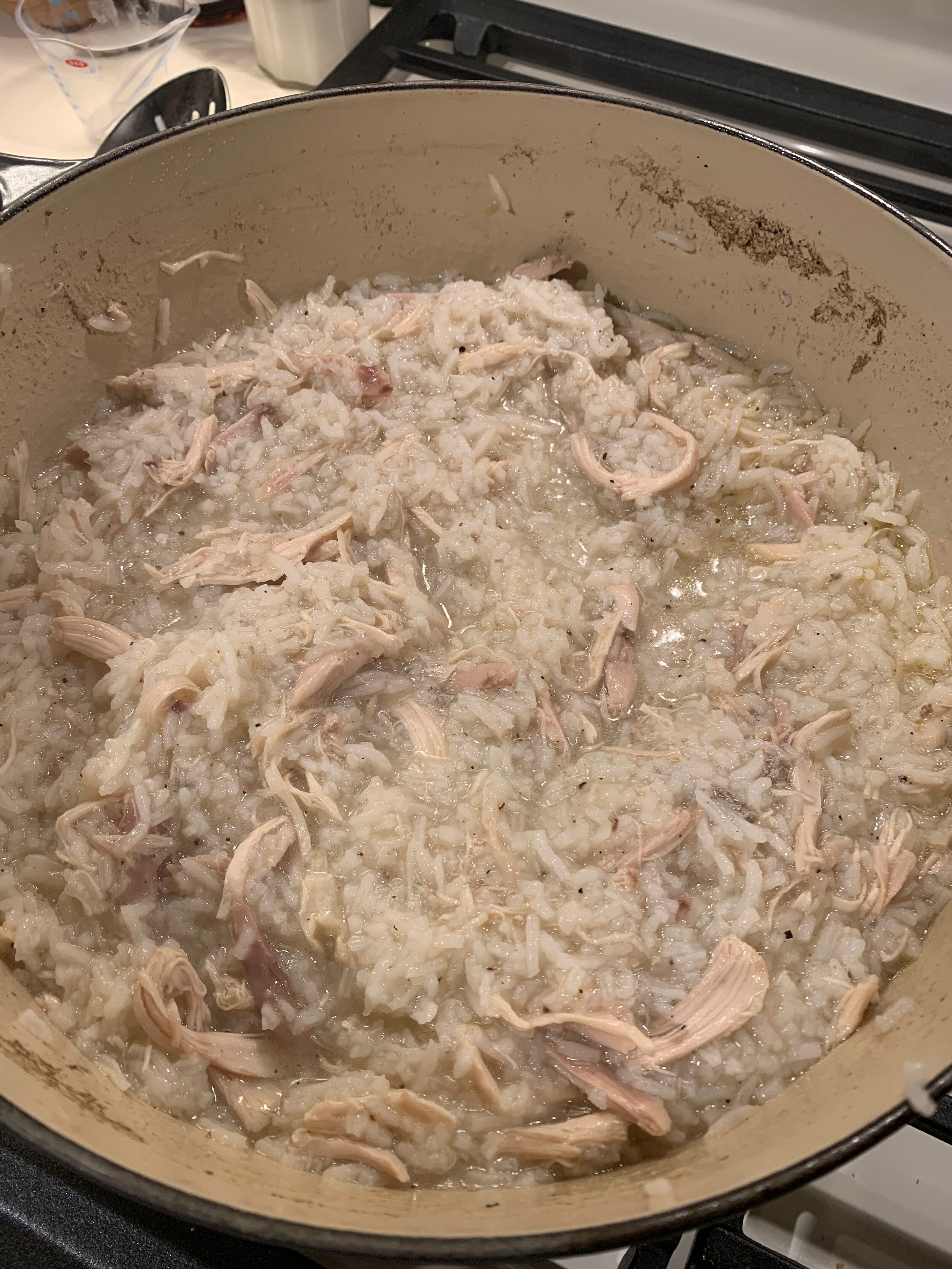
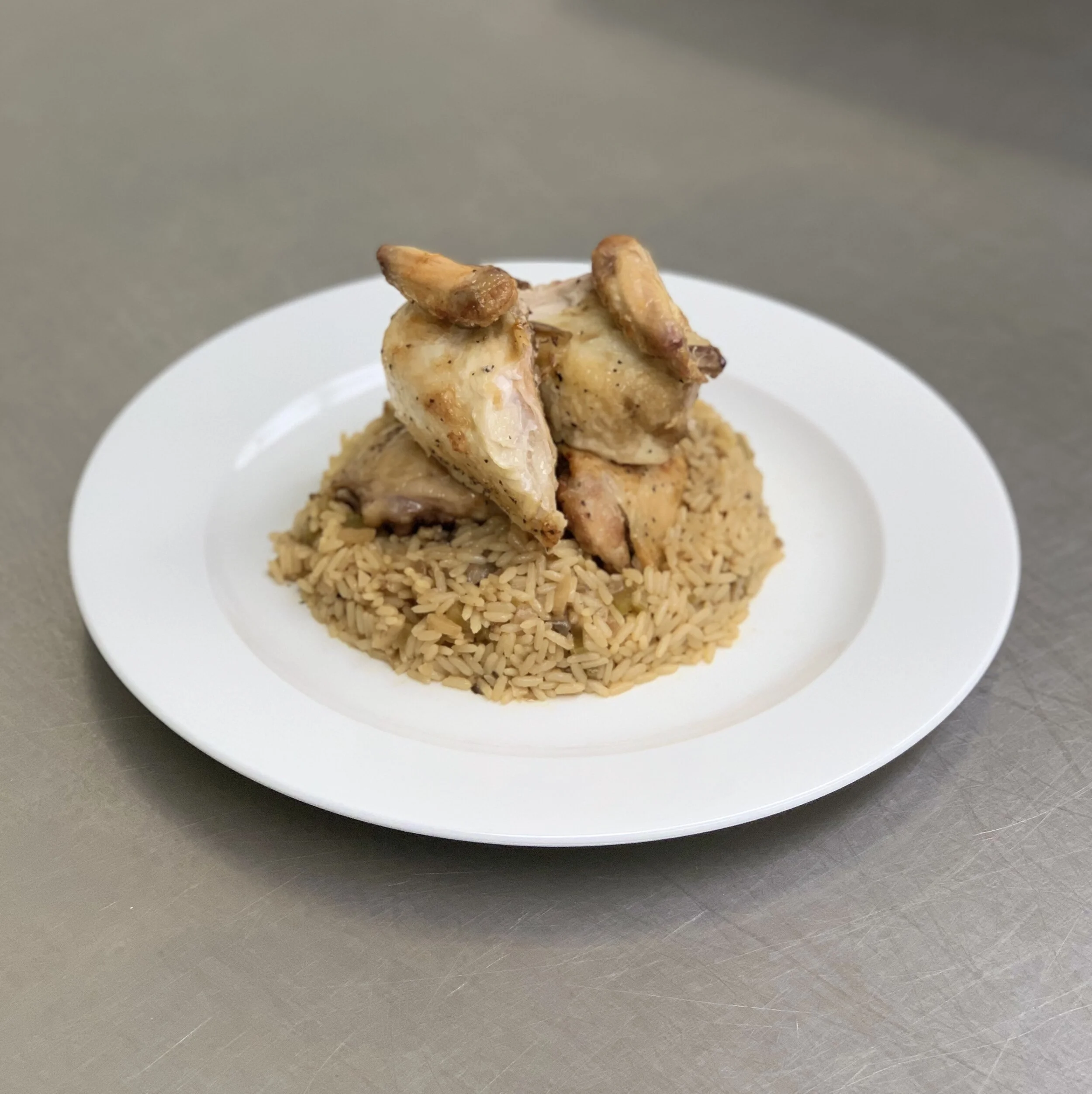
I made Vivian Howard's Chicken and Rice, which might be my all-time favorite dish. There are five ingredients, including salt and pepper, and it has so much flavor. It's seriously unbelievable. It lets the ingredients shine. Simple, unfussy food is the best.

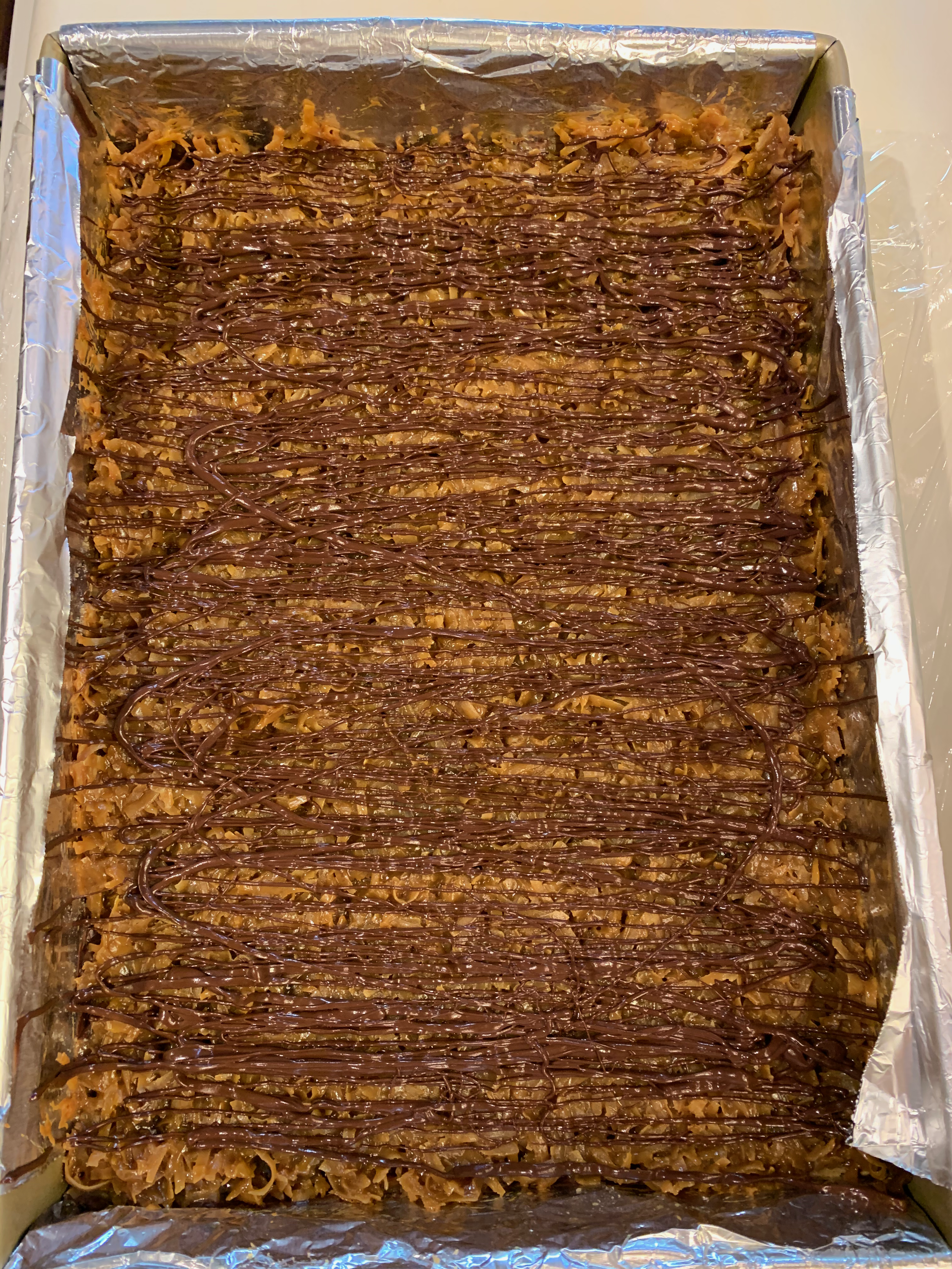
I also made white pizzas with a simple spinach salad and Caramel-Coconut Cookie bars. I take food over to my cousin's house every Tuesday night, and we enjoy a meal together. They have two kids and don't have time to cook the food they'd like to eat. Since I love to cook and I love to spend time with them and their kids, it's a perfect way to help them and spend time together. Sometimes, my other cousin joins with her little boy and my sister. Food is love.

Next week I'm catering my first small dinner party. I can't wait to see how it all turns out!

Week 16 | Finals

Lecture Lab Hospitality Gourmet Dinner Next Week This week was finals week. So, not many pictures. I was mostly heads down studying and planning. A lot of people have asked me about finals and are surprised to find out that I have to take written tests. It's not all cooking.

For lecture, we had a good old fashion final. It was a multiple choice and short answer test and was a combination of everything we learned throughout the year. It covered A LOT. I had to review pretty much everything. Luckily I've been diligent about studying, so things came back to me pretty quickly. I did well on the test and was so relieved when it was over.

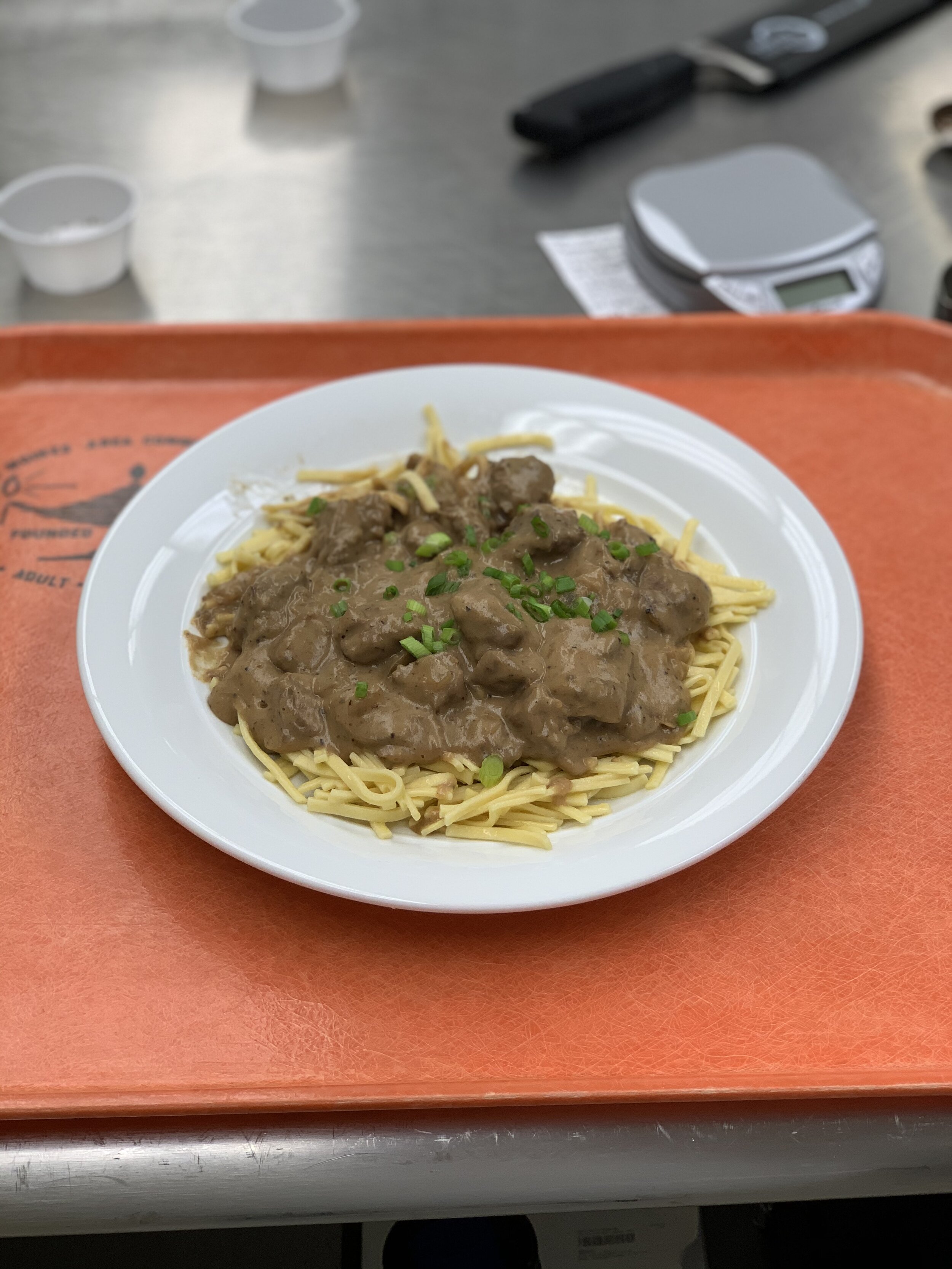
For our lab, we had to cook four dishes in two hours. I wasn't too nervous about the cooking party, but more worried about time. I tend to be slow and am a perfectionist and get slowed down by the details. We had to make Beef Stroganoff, which counted as two dishes, the sauce, and the noodles. We also make Velvet Chicken Soup and Cauliflower. I made a crazy detailed plan, which paid off. I finished first and was well under time. The critical feedback that I received was that I was too slow plating, and the food could have been hotter. I should have used the oven to keep my food warm while I was plating the other dishes.

For Safety and Sanitation, we had our final, and we had to pass the Serve Safe Certification, which I did! Yay! I'm officially Serve Safe Certified.

Next week, I'm done with classes. We have an all clean day on Tuesday for an hour, but otherwise, I am ready to RELAX!

Week 15 | Thanksgiving

THANKSGIVING! It is the most beautiful time of year! I love Thanksgiving, mostly because I love to cook and eat the food associated with it. I go all out, and this was no exception.

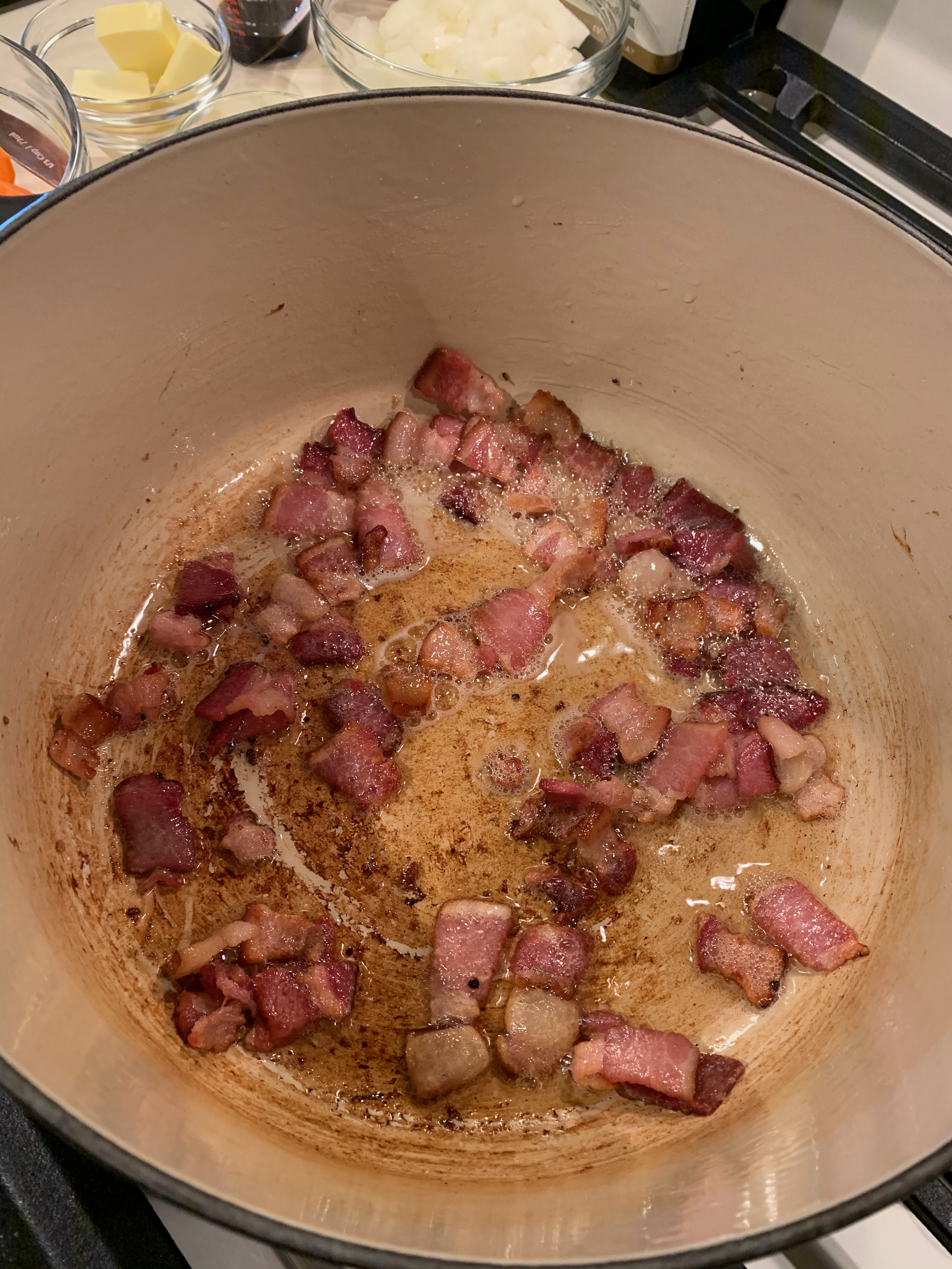
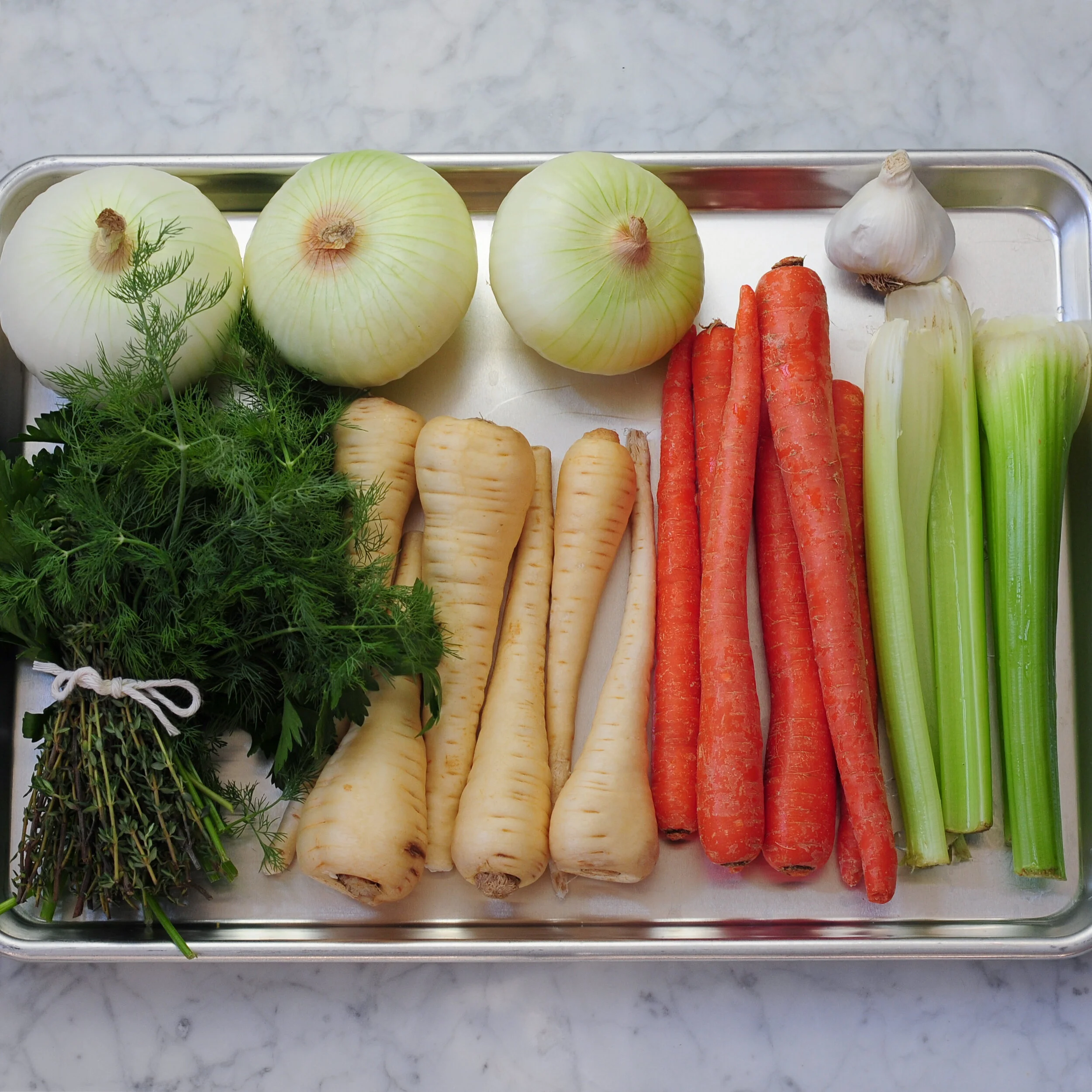
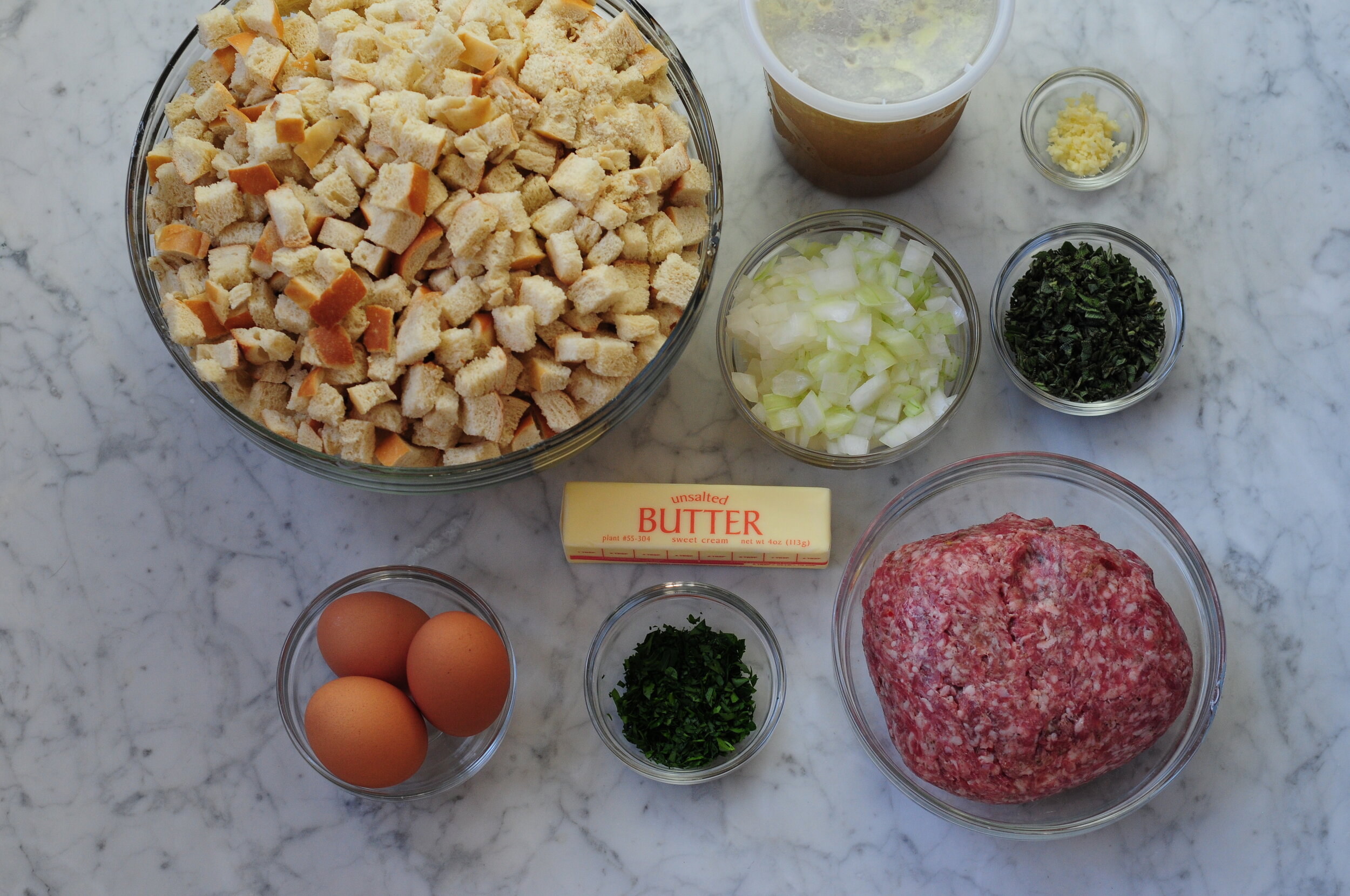
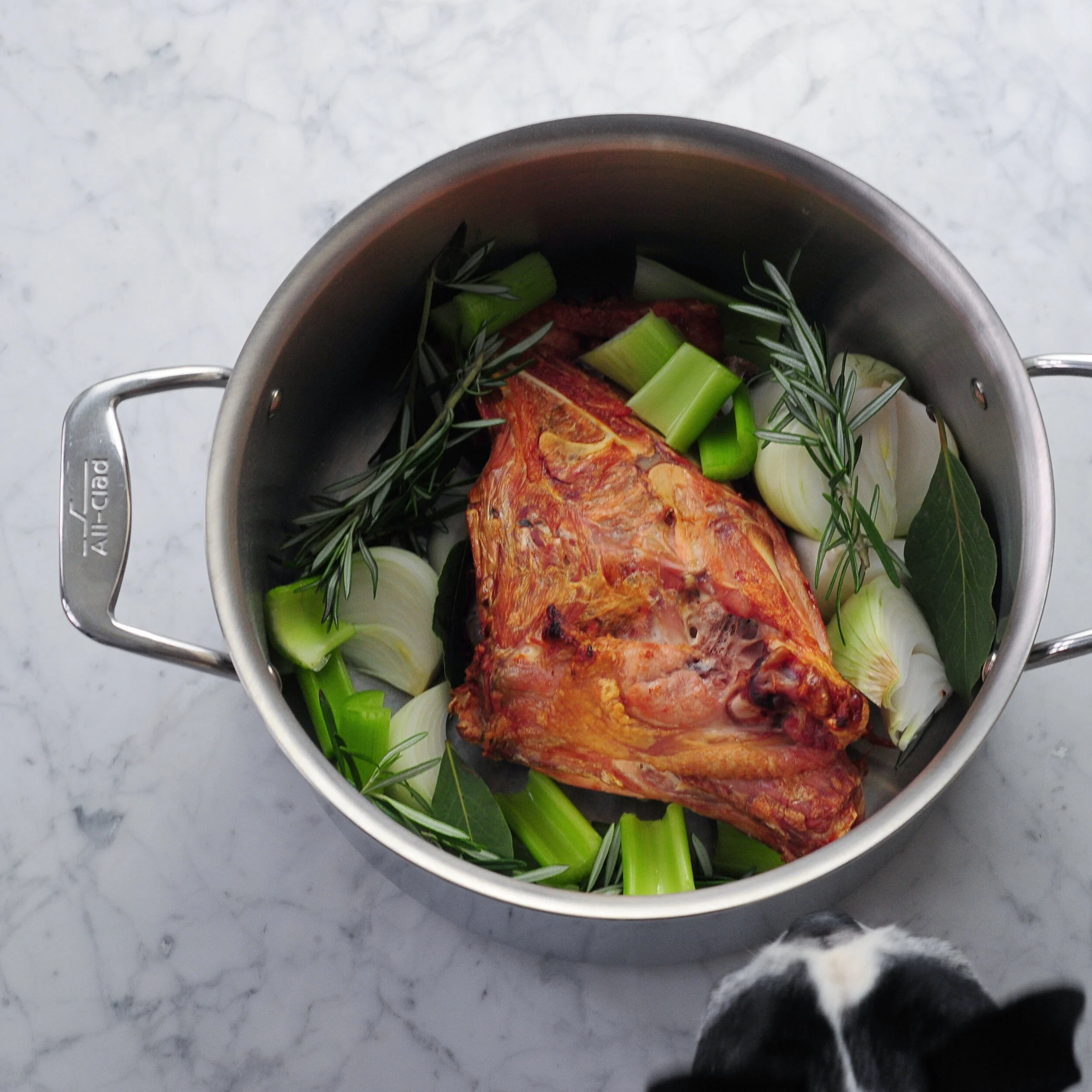
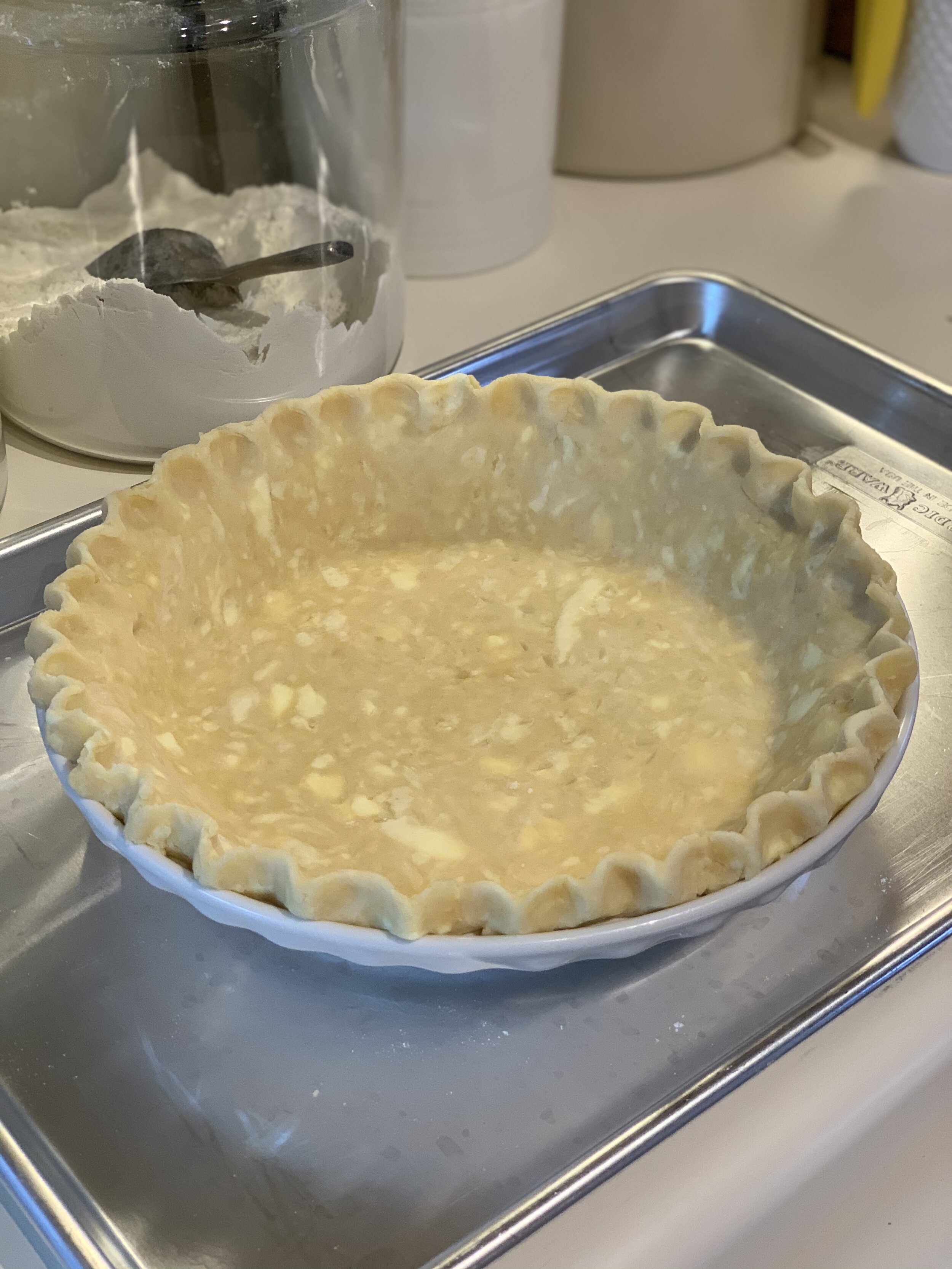
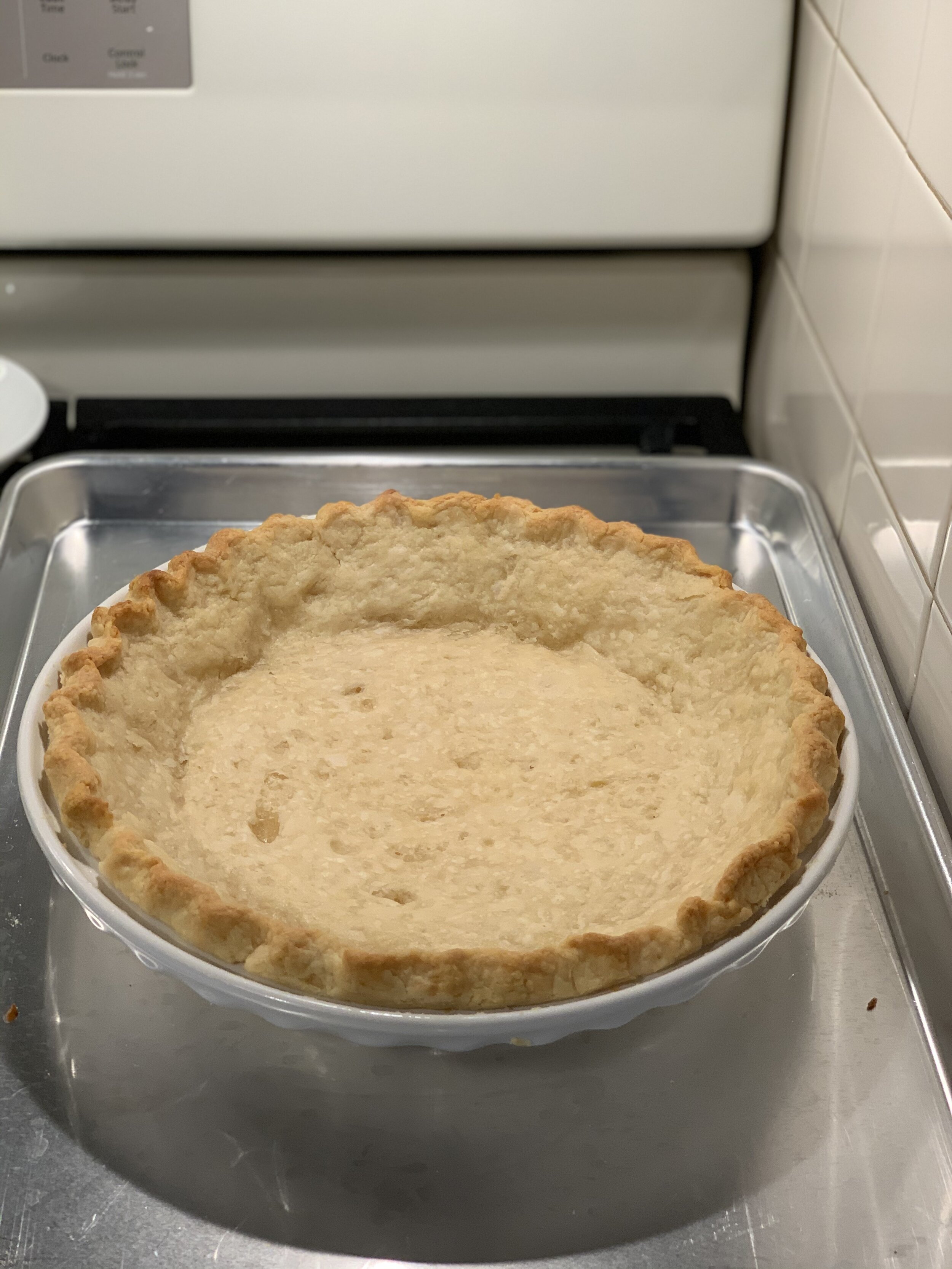
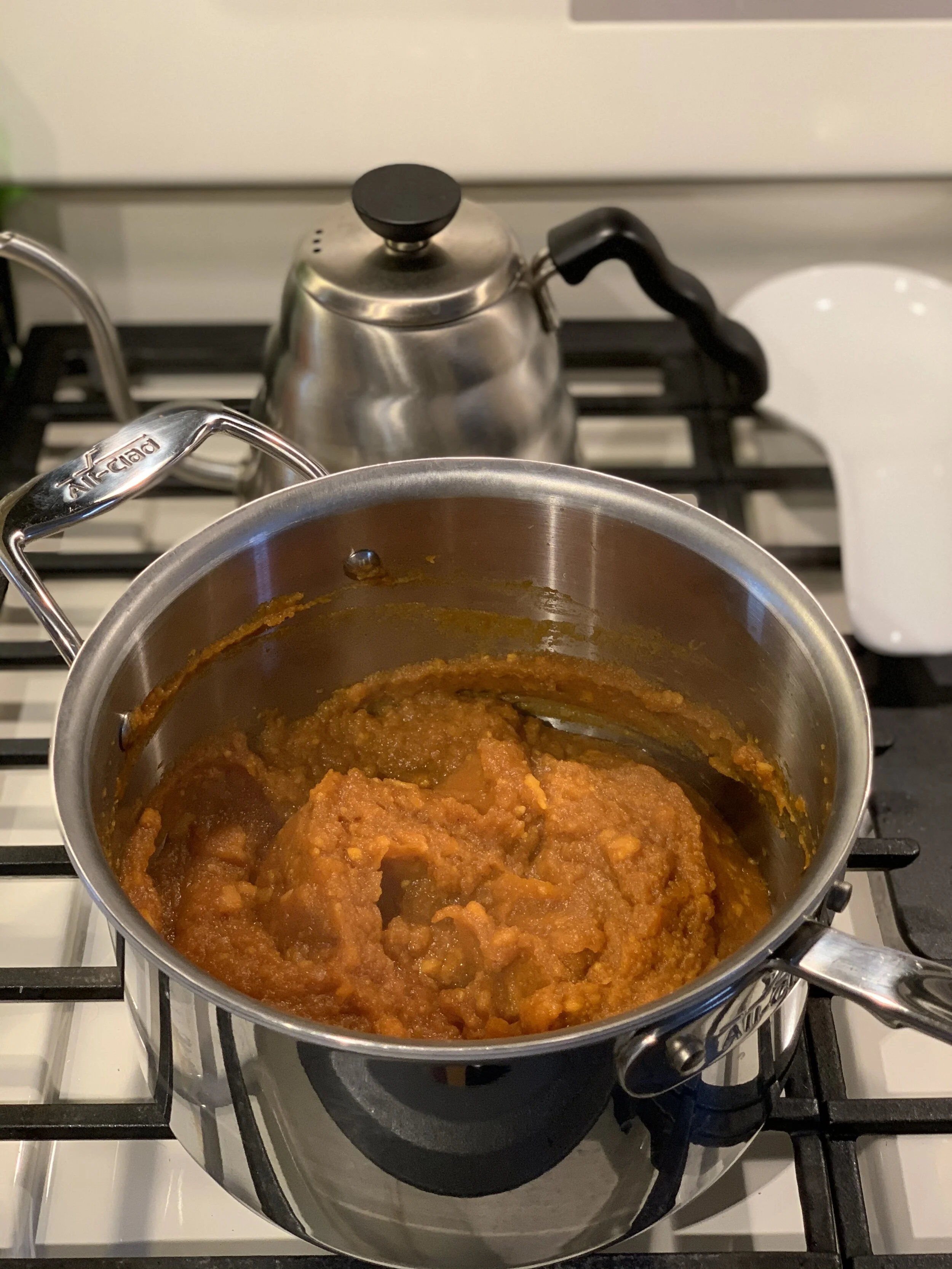
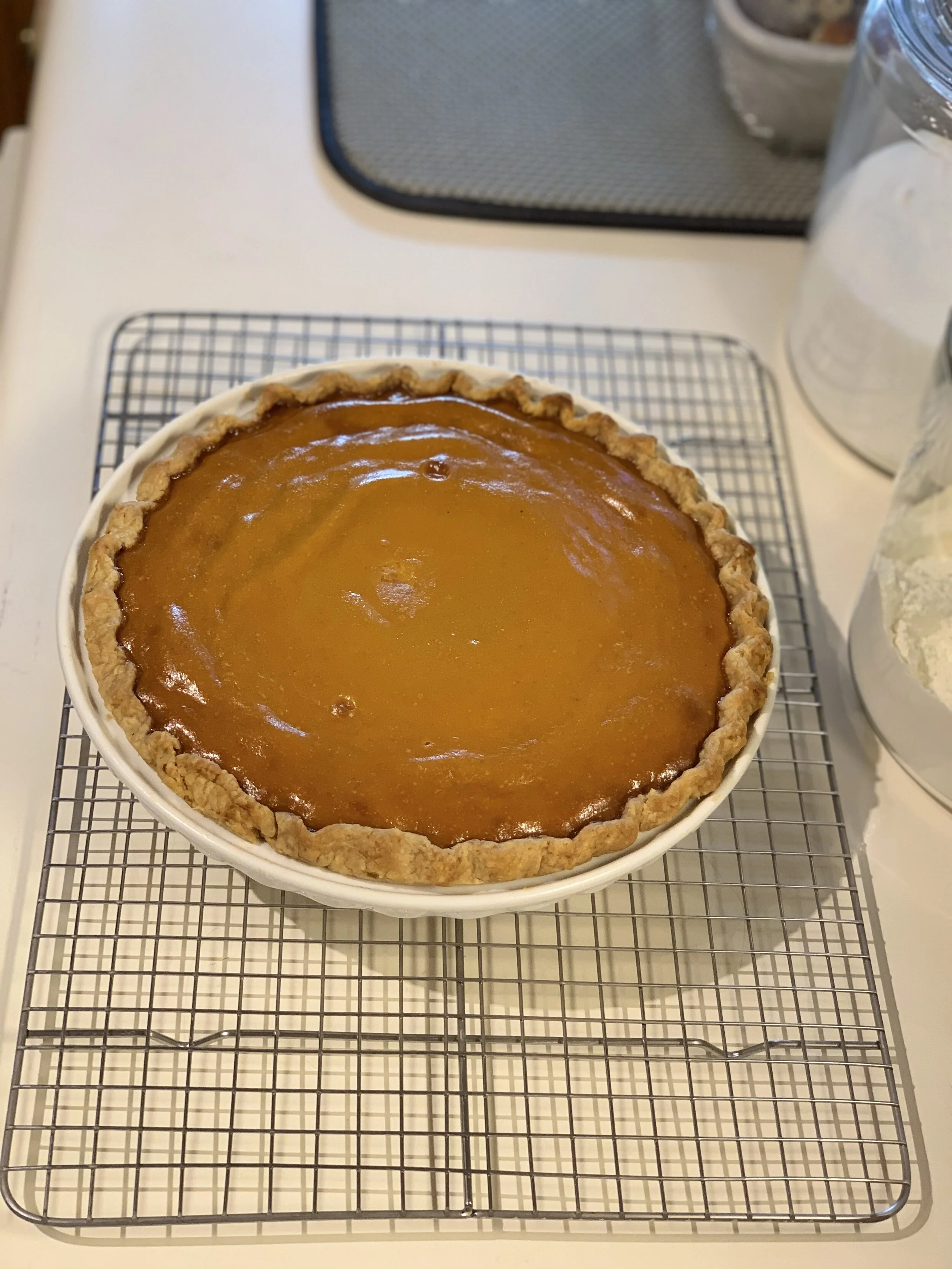
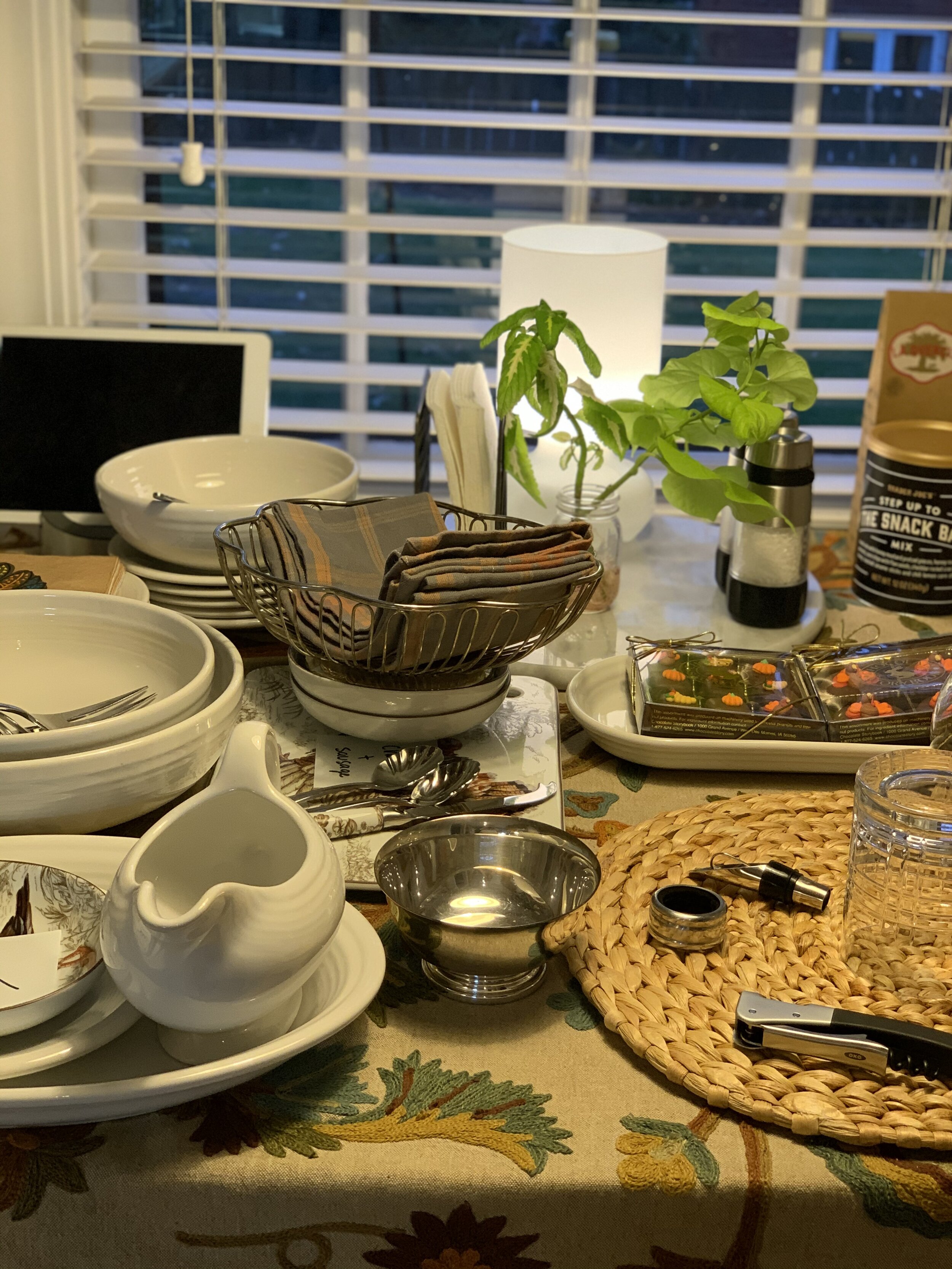
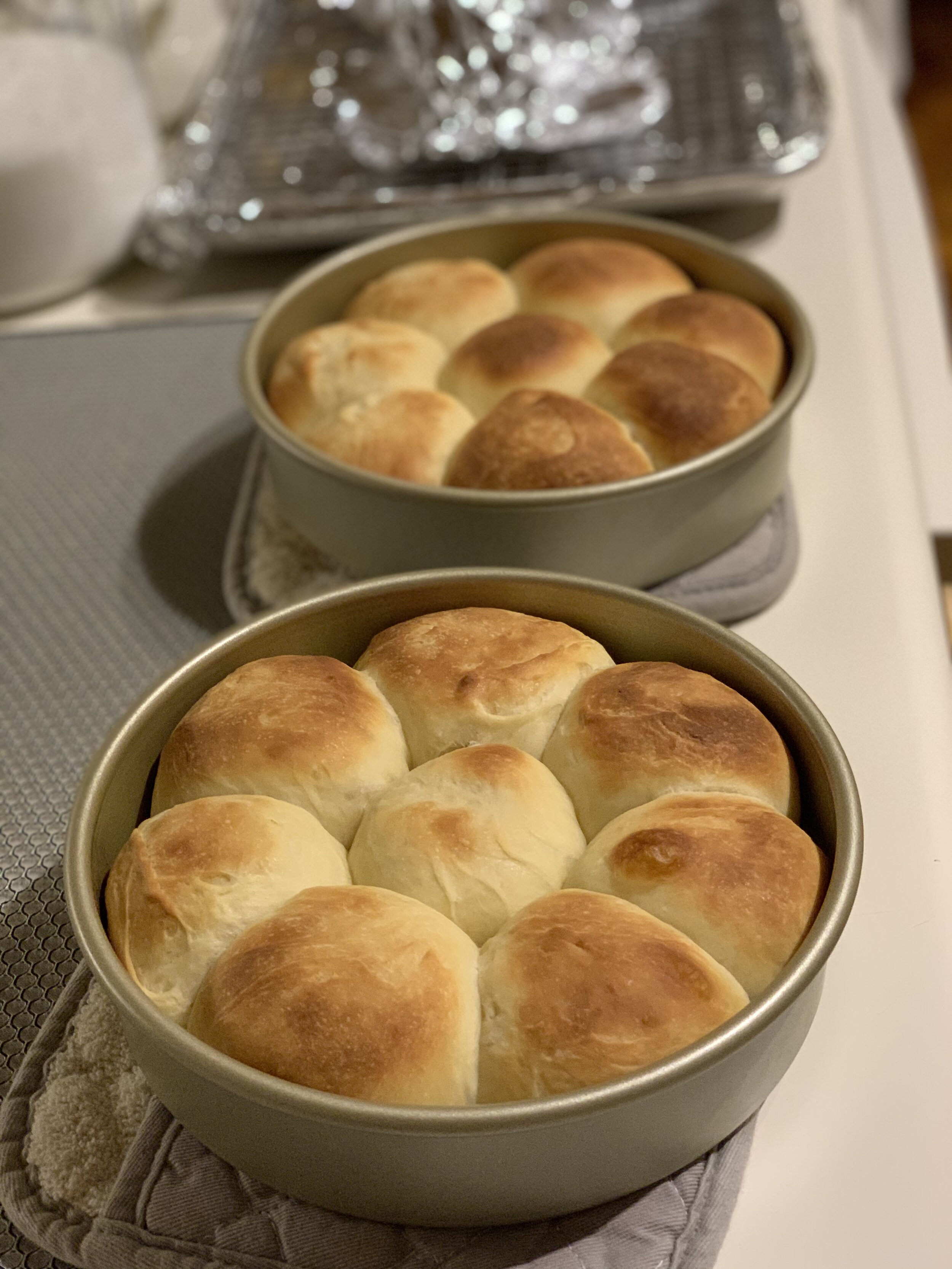
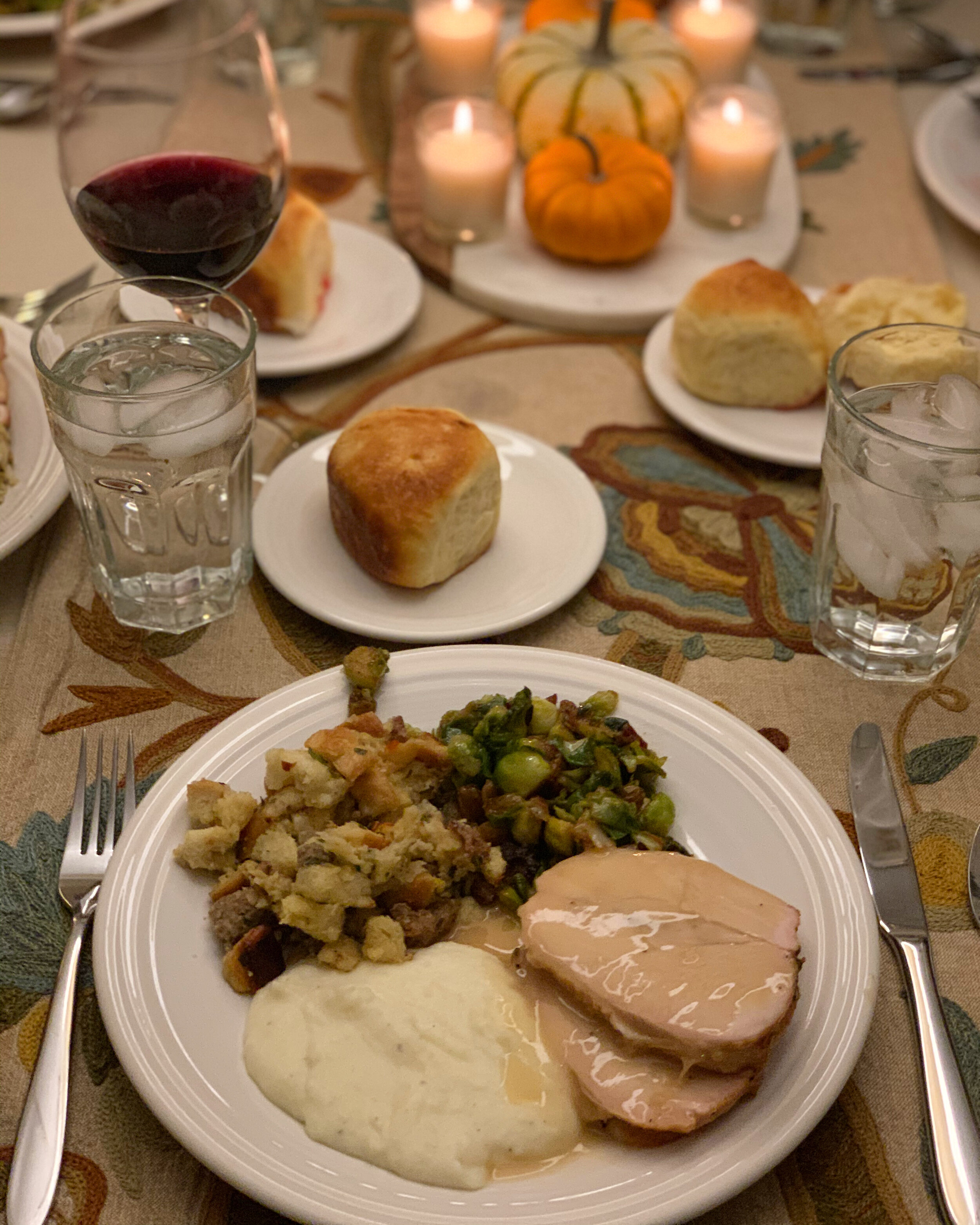
We attend two Thanksgiving celebrations and hosted one. On Wednesday night, we had my parents and sister to our house, and I make the entire dinner, soup to nuts. I am a bit of a control freak, and I love to be in charge of every dish, table setting, and ambiance. This year I started off by making homemade Chicken Stock. I usually like to have this on hand because it's truly SO much better than store bought, and it's not that hard to make. For the meal, I served a Boneless Turkey Breast with Gravy, Classic Sage Dressing, Sour Cream Mashed Potatoes, Brussels Sprouts with Lardons, Best American Dinner Rolls, and, of course, Pumpkin Pie. I was overall happy with the meal. The Turkey breast was good (as good as turkey can be), and I carved it very successfully, so that felt good. The gravy was meh, it didn't have much flavor. The dressing and mashed potatoes were excellent. The brussels sprouts weren't crispy enough. The dinner rolls were perfection. I wasn't crazy about the pumpkin pie filling, too much ginger. However, I was very pleased with the crust. I am, without a doubt, my worst critic. More often than not, I don't love the food I make. Is every chef like this? It takes me AGES to get a recipe just right. I annoy myself.

On actual Thanksgiving, we went to my wife, Maggie's family, to celebrate. We had a traditional meal. I made the Classic Sage Dressing, and Best American Dinner Rolls, two of my favorites, and they turned out great.

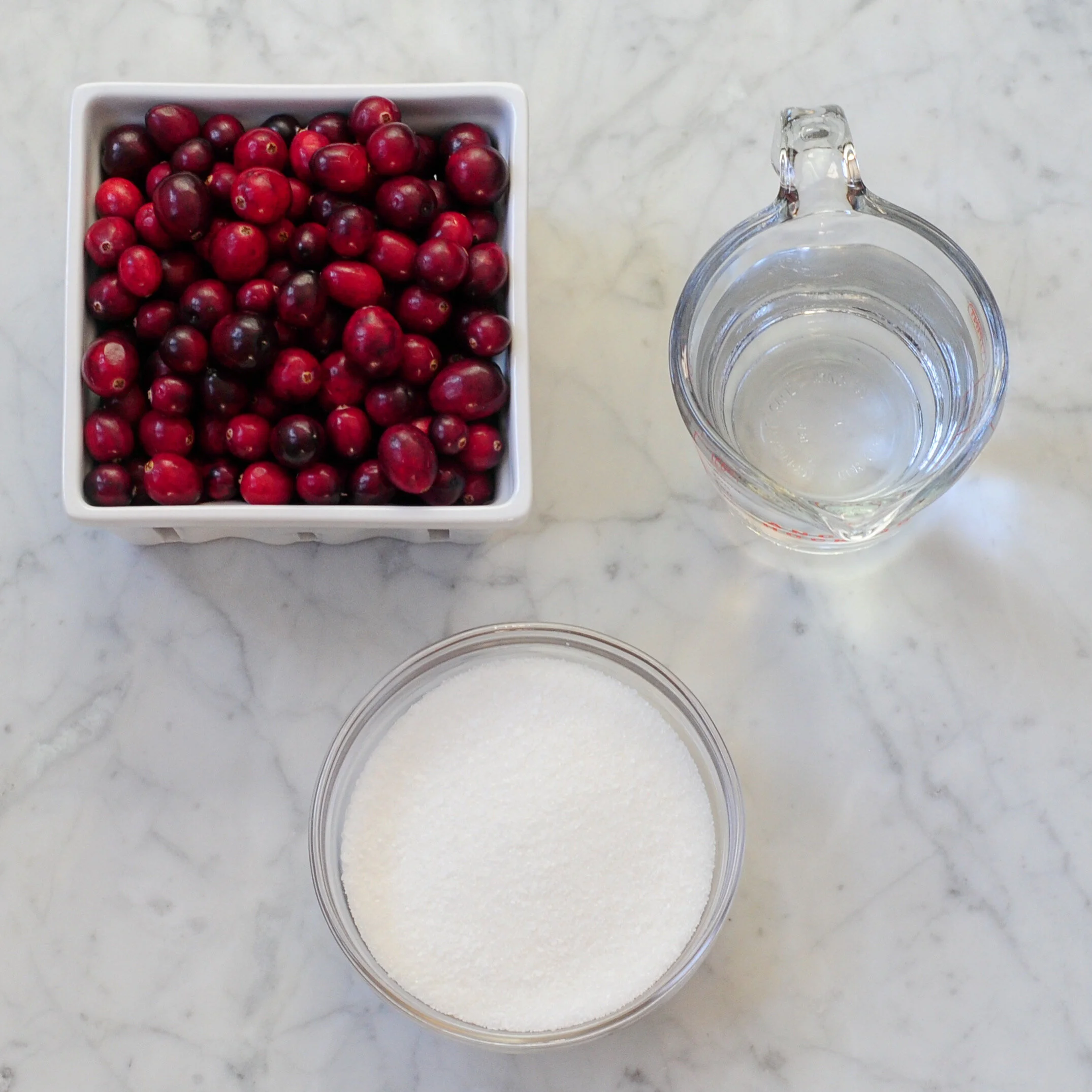
Later in the afternoon, we celebrated with my cousins Kate and Brooke, their families, my Aunt Paula, and friends. We are really really close, and it's so fun to celebrate. The whole event is very chaotic and loud and so much laughing. There isn't a sit-down meal, but everyone brings Thanksgiving classics, and there is enough food for a small army. I made Sweet Potato Casserole and Simple Cranberry Sauce. The sweet potatoes were a hit, and I was quite happy with the recipe. It's a very traditional sweet potato dish, so it is topped with Marshmallows. I'm not the biggest fan of marshmallows, but it was a crowd-pleaser.

A few notes about Thanksgiving: the history of Thanksgiving is somber, dark, and rather ugly. For me, I think it's crucial to acknowledge the holiday's dark past. However, the modern sentiment of the holiday is rather beautiful. A day to spend with people you love and share a meal. For me, cooking is a direct expression of my love for my people. So, let us keep celebrating with our loved ones while not forgetting our ugly past. Let's use our ugly history to create a more open, accecpting, and loving future.

Week 14 | Seafood

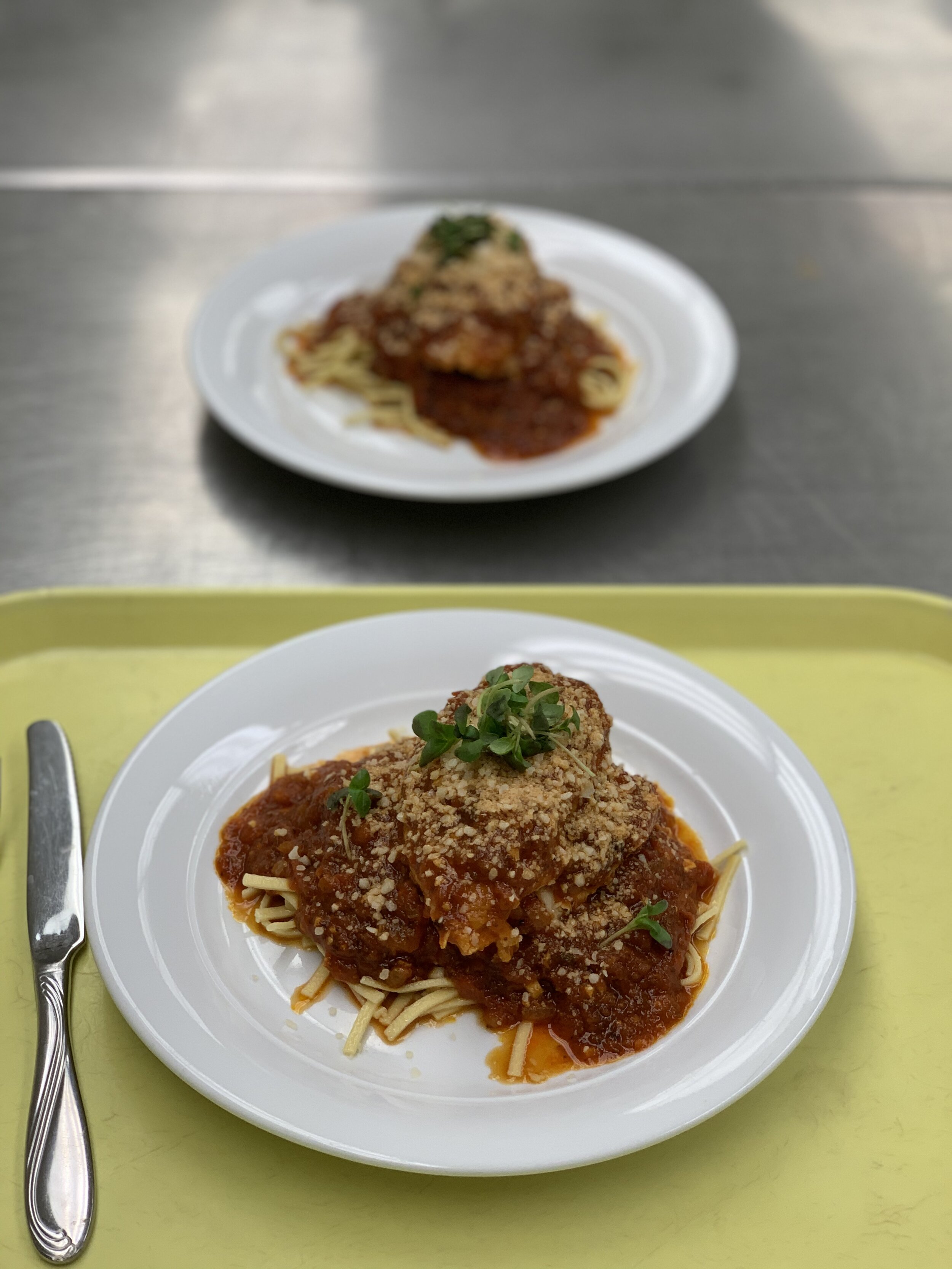
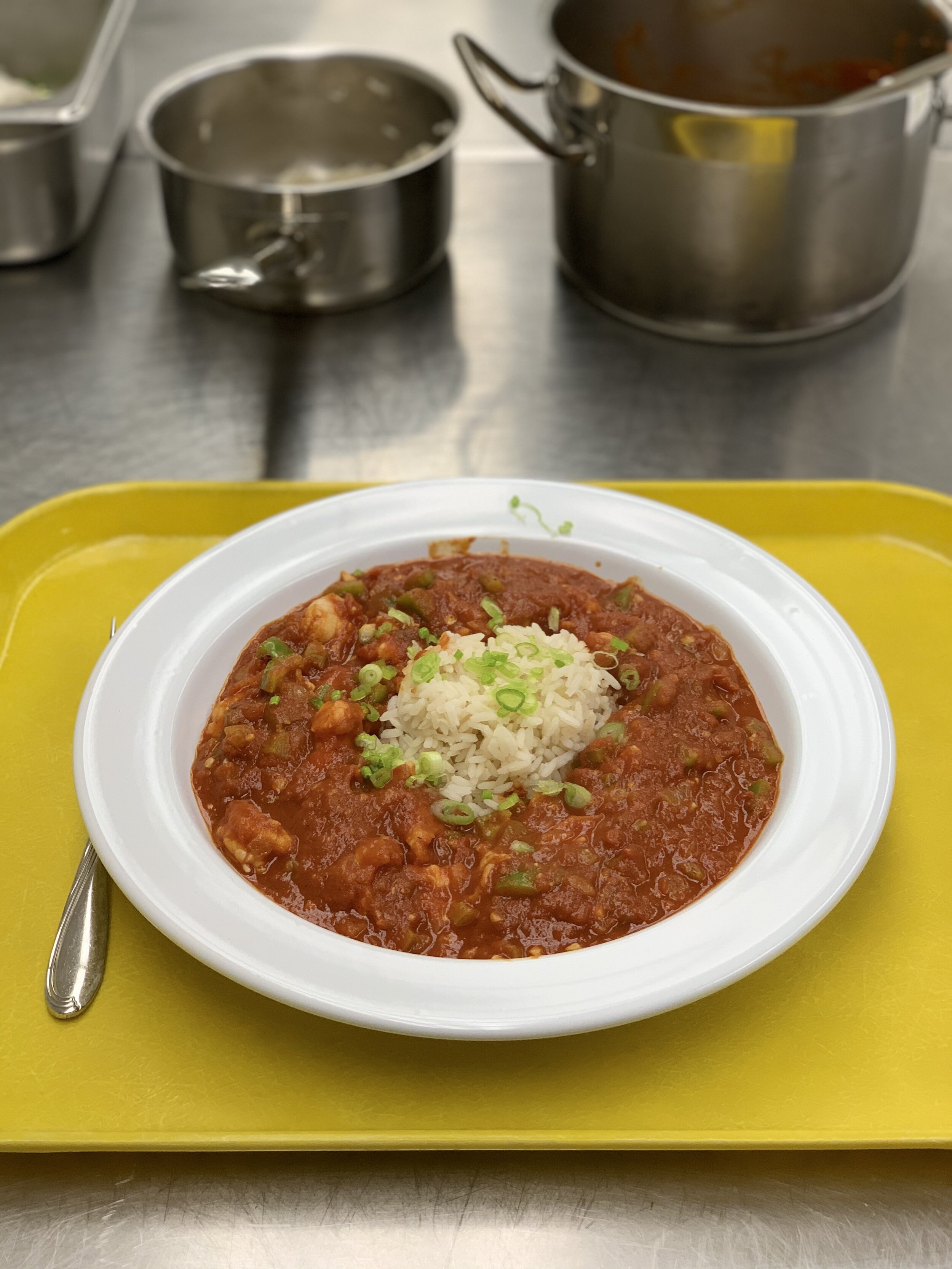
This week in our lab, we made Chicken Cacciatore and Shrimp Creole. The objective of making Chicken Cacciatore was to learn about moist heat cookery, while the object for the Shrimp Creole Lab was to learn about cooking seafood. Both of my dishes turned out well. The fun part of the Chicken Cacciatore lab was to break down a chicken, which we did last week. The recipe itself was ok. It's hard to make a tasty tomato dish using canned tomatoes in such a short time. You need to cook canned tomatoes for a long time to bring out the sugar and have a deep yummy tomato-y flavor. The Shrimp Creole was ok, as well. I am not a fan of shrimp. I think it is rather flavorless and rubbery. My shrimp was cooked well, according to my instructor, but I still thought it tasted rubbery and bland. The sauce and the rice were pretty good, but not something I'll make again at home. For Intro to Hospitality, we had to attend the Iowa Hospitality Convention and Expo. This event is held for local restaurants to meet local restaurant suppliers. It was interesting to talk to the different Des Moines restaurant suppliers and see all the fantastic food that is available. I had a good time. It was the last week for Gourmet Dinners. Hooray! I survived. While this wasn't my favorite class, it did help me to solidify that I am not interested in the restaurant industry when I graduate. This class was hard. I was so exhausted each night. I have so much respect for people who work in the industry. It's really really hard work! Next week I have the whole week off for Thanksgiving. Thanksgiving is one of my favorite holidays. I am sure it is for most cooks since it's so food-focused.

Week 12 | Gourmet Dinner

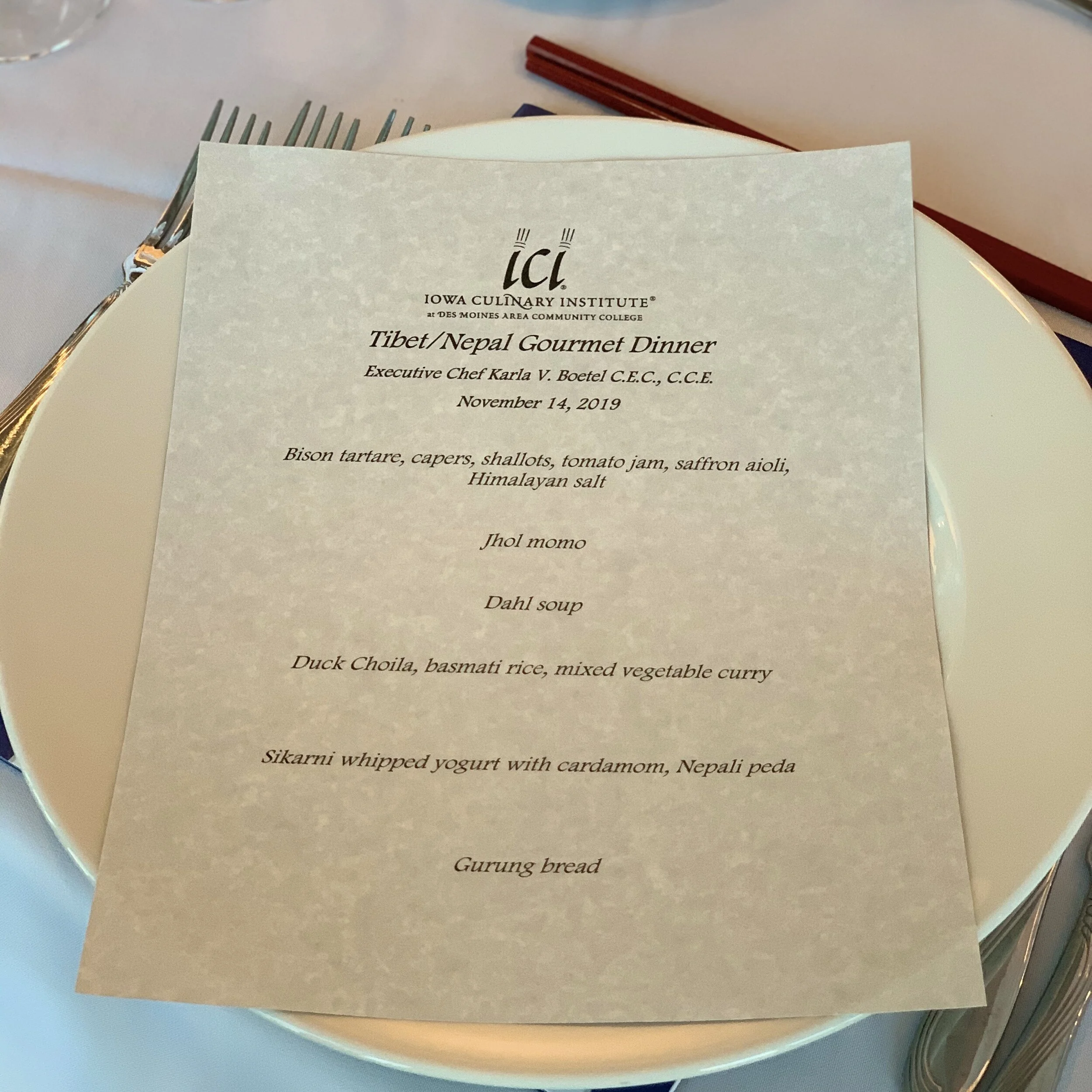
This week was a bit of a short week because we did not have a lab on Wednesday. Michelin Star Chef Giuseppe Ricchebuono was visiting from Italy to teach students his techniques and cook two gourmet dinners. He is from Noli Italy, which is on the cost, so all of his courses featured seafood. They were all incredibly beautiful.

A lot of the week was consumed by prepping for the gourmet dinners on Wednesday and Thursday nights. I was asked to help prep for dinner on Wednesday, which was very inspiring. The work was not particularly glamorous. I just counted plates for each of the five courses and then wiped down the plate to remove water spots and then organized them in the warmer. I didn't care, though. I love being at school, and the energy in the kitchen is energizing. It was exciting to see what is on the horizon for me. I am so excited about next year and all the cooking I will get to do! I am learning a solid foundation and the importance of all the prep and organization that goes into a dinner, whether it's for 15 or 120.

In addition to the gourmet dinner on Wednesday night, we made sweet and sour pork in class on Monday. The sweet and sour pork was pretty good. We used pork tenderloin in the dish because pork shoulder would have taken too long to cook to get tender. However, pork tenderloin can get tough if cooked for too long. The chef explained to us that it wasn't the ideal cut of meat to use, but for our purposes, it was necessary. It was fun to develop the sauce and to learn the process of cooking the meat. And I enjoyed the dish.

Next week we'll be learning all about poultry! I'm thrilled because I make a TON of chicken at home.

Week 11 | Meat

MEAT! This week we learned all about beef and pork. There is so much to learn; it's a bit overwhelming. We barely scratched the surface, but you have to start somewhere. We learned the components of the muscles, how different muscles are used, and how that impacts flavor and texture, cuts, and how the meat is inspected and graded. Fat is what gives meat flavor. The more marbling there is in a cut of beef, the higher it is graded. How the muscle is used determines how tender or tough a cut of meat is. So, the shoulder, for example, in beef or pork, is used a lot. So, those cuts are rather tough. However, the tenderloin, located on the back, is rarely used, so those cuts are incredibly tender, hence the name.

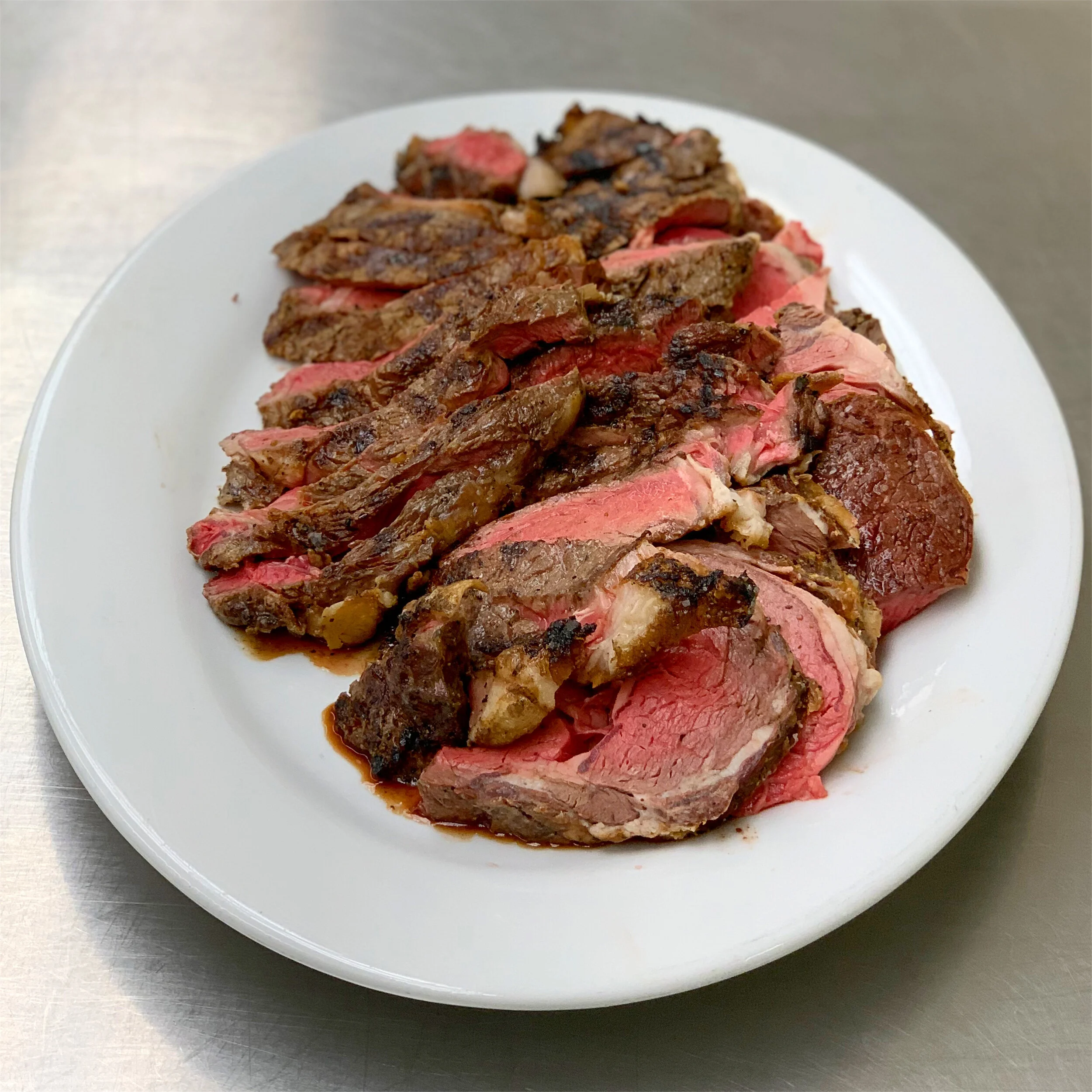
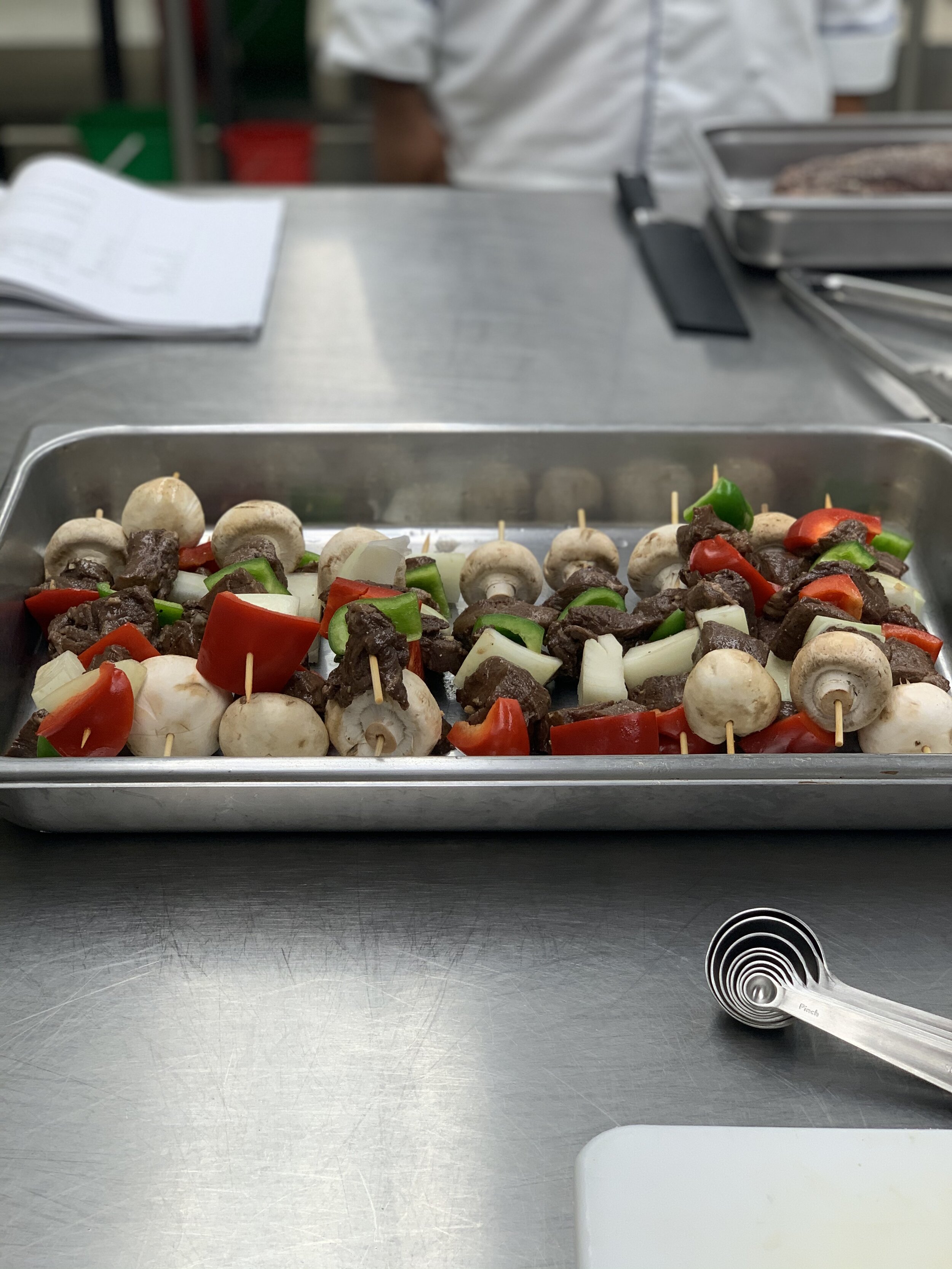
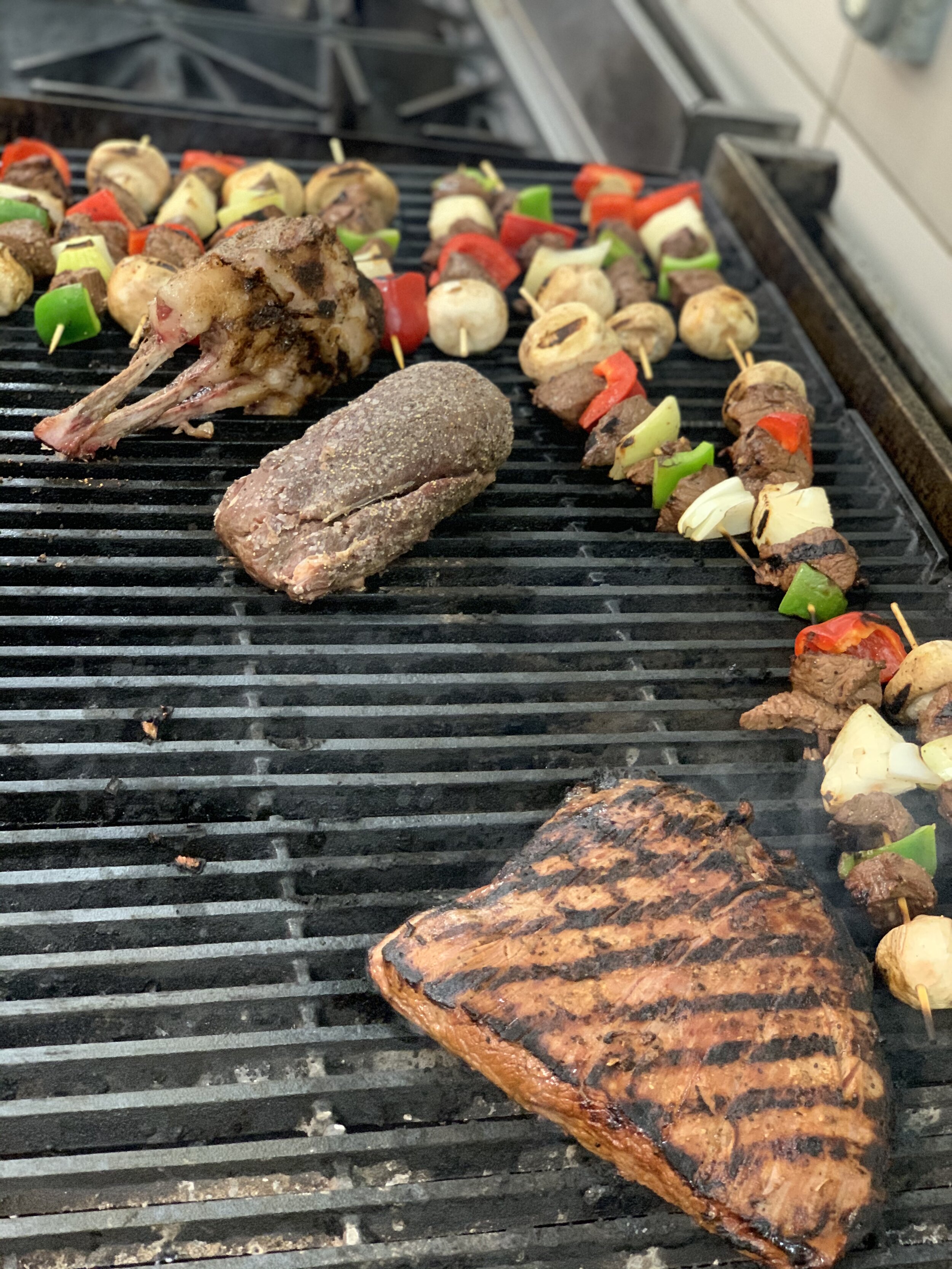
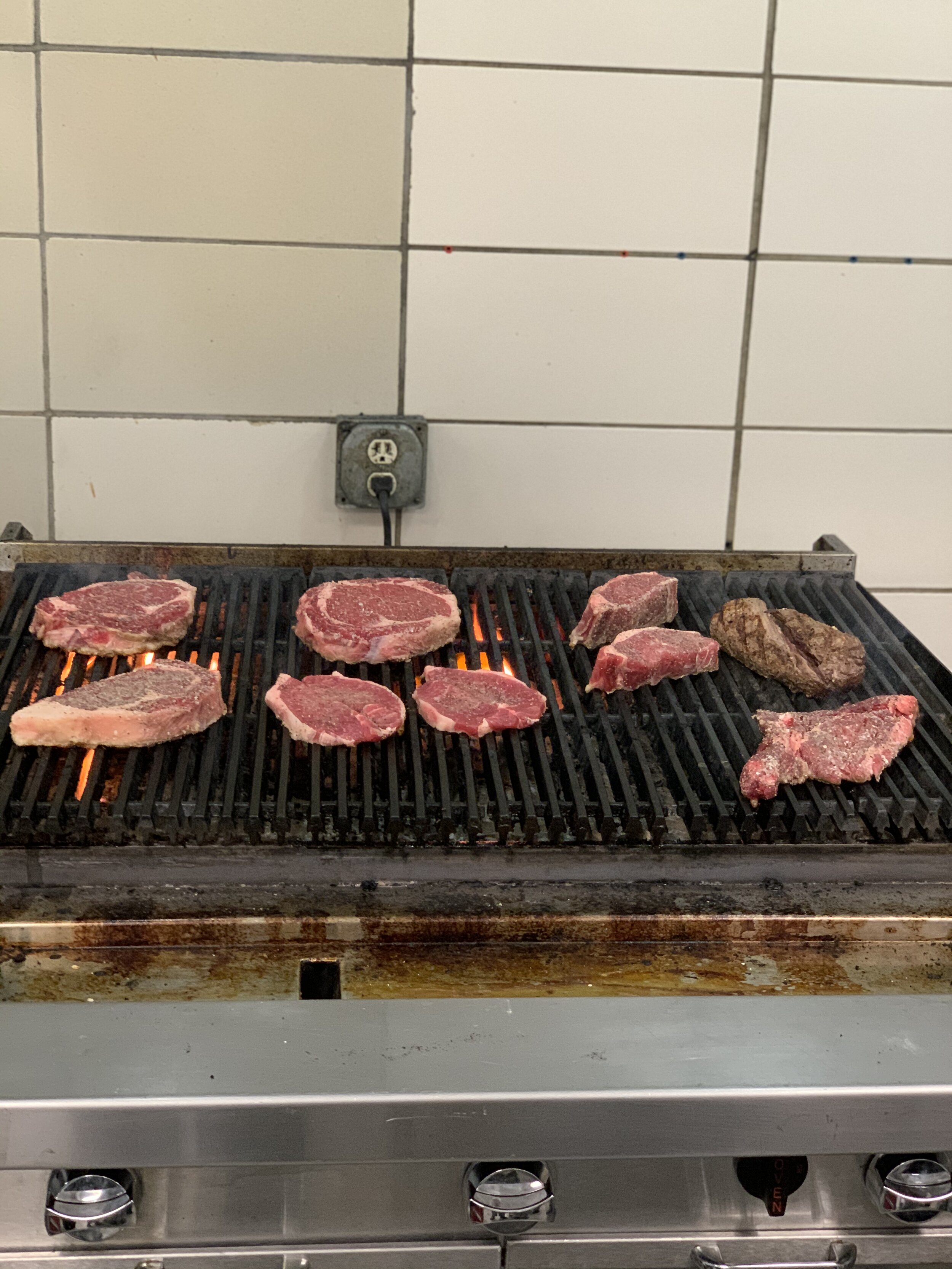
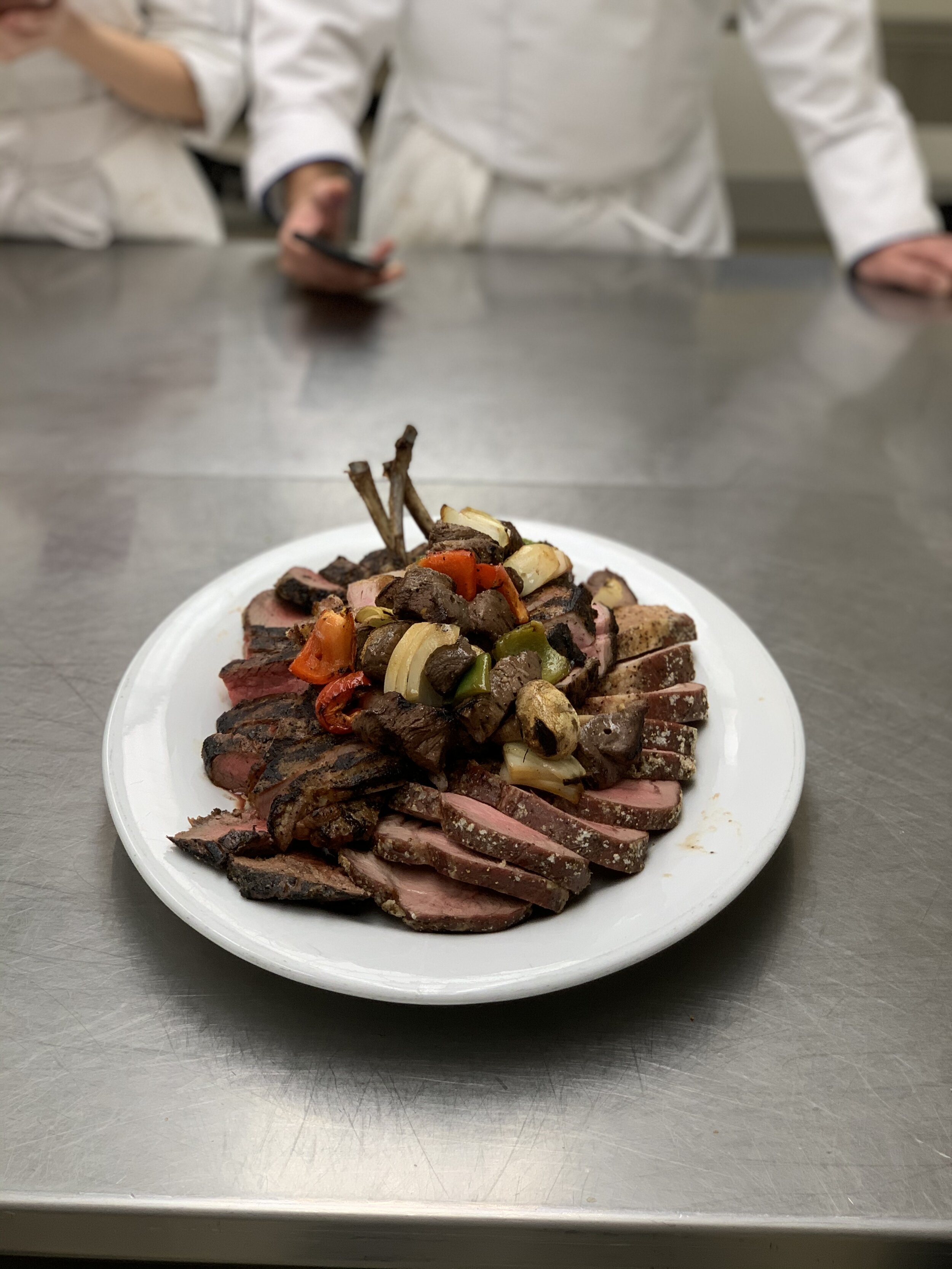
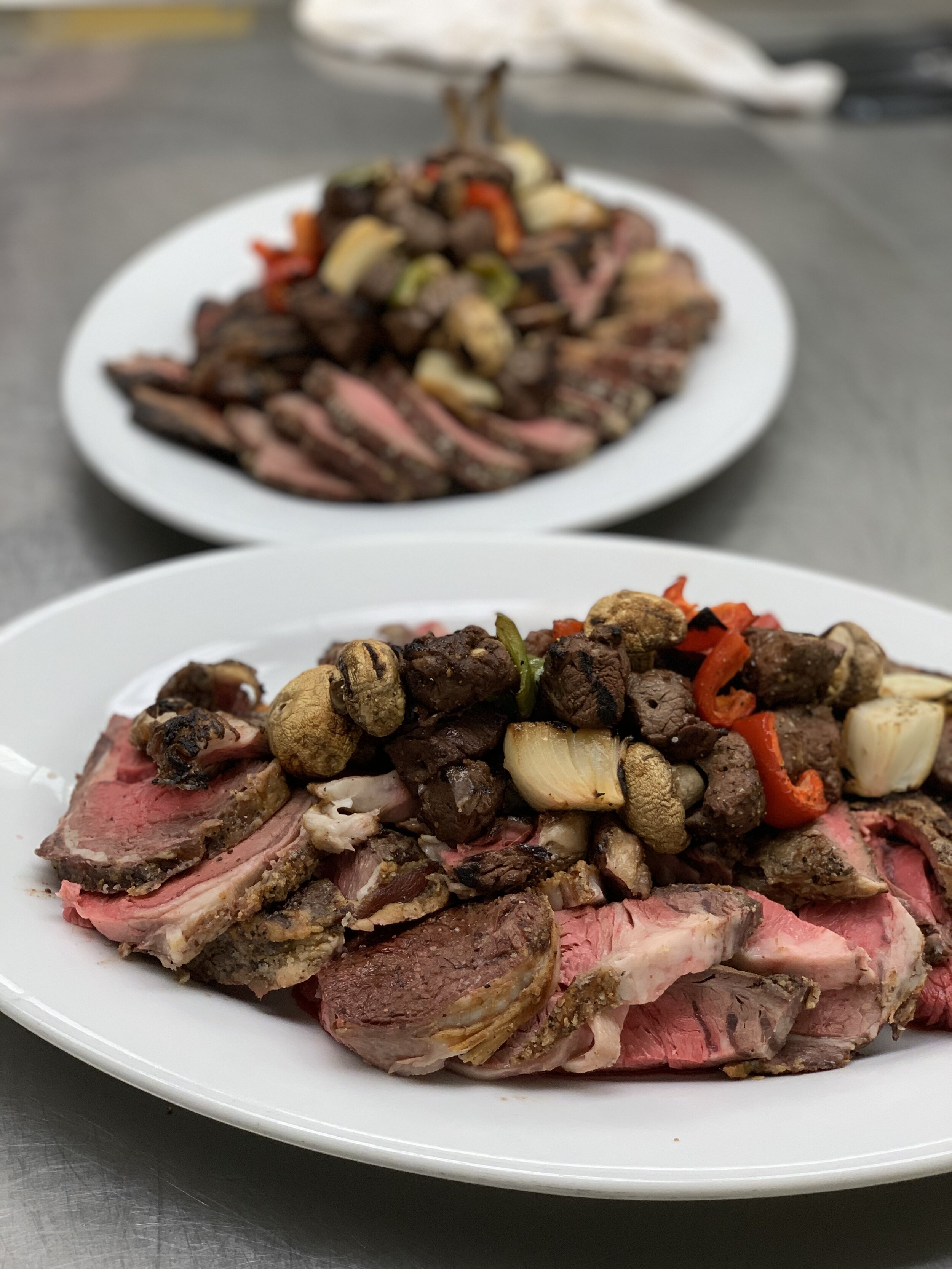
In class, we started off making Beef Stroganoff, which uses moist heat cookery. You can cook meat for a long time in a liquid that breaks down the connective tissue making heavily used muscles tender and flavorful. We then made a different variety of meat as a class so we could taste a variety. We made ribeyes, rib roasts, kabobs, flank steak, tenderloins, pork tenderloins, pork chops, and lamb chops. It was so much meat! We got to sample it all, and even though I've had all the meats we cooked before, it was fascinating to taste it next to each other. To take a bite of tenderloin after ribeye and feel the difference in flavor and texture was powerful. You pick up on nuances you might not if you eat tenderloin one week and ribeye the next.

Next week, more meat!

Week 10 | Stocks, Soups, and Sauces

This week we learned about vegetables, sauces, stocks, and soups. The unit on stocks, sauces, and soups is incredibly important. Stock is the base for so many things, including sauces and soup, which is why it's so important. The sauce is what gives a dish a distinct flavor and personality. Also, a good stock provides soups with a more vibrant and developed flavor. Making chicken stock is so simple. The way we learned to do it in class is different than how I do it home. We learned to make the stock with bones, mirepoix, and a sachet d'epices. When I make it at home, I used whole chickens (meat and bones). I believe the way we learned is more cost-effective for restaurants. It would be too expensive to use meat in stocks commercially. However, it works well at home. I recommend making your chicken stock. It doesn't compare to what you buy at the store. We also learned how to make brown stock, fume, or fish stock.

After building a good foundation of stocks, we moved on to sauces. We learned the five Leading Sauces, Velouté, Béchamel, Espagnole, Tomato, and Hollandaise. Once you understand how to make these five fives sauces, you can build upon them to make a sauce or soup in the world. They are the base for all sauces and soups. It's pretty amazing.

After learning the sauces, we learned about soups and the differences between clear soups, cream soups, and all the other varieties of soups. We spent a lot of time learning about consommé. It's is an incredibly flavorful, clear broth. It's not seen a lot these days in the US. It takes a lot of time and patience to make, which is why it's fallen to the wayside.

We also learned about cooking vegetables and the difference between al dente (meaning "to the tooth" and used to describe properly cooked pasta) and crisp-tender (used to describe properly cooked vegetables). We cooked cauliflower and made a simple white sauce to accompaniment it. It is amazing at how good steamed cauliflower is. As an avid roaster of all vegetables, I often forget of all the other ways to prepare them. I am happy to add these methods to my repertoire.

A couple of other exciting things this week. We got to tour Hockenbergs, a restaurant supply store in Des Moines. It was very fun and exciting to see all the restaurant items available for purchase. We learned about how expensive it is to set up a restaurant. The two major expenses are the hood for proper ventilation. A lot of times, the hood costs about $100K and a grease trap, which costs about $20K. So, you have to spend about $120K before you've done anything fun.

I also got to job shadow a food stylist, a firm in Des Moines that produces advertisements for grocery stores. It was so amazing. The energy and vibe in the studio are great. It's the direction I'm feeling pulled towards the more I learn about all the different culinary options. I'm excited to learn more about food styling and what all that job entails!

Next week, MEATS!

Week 9 | Starches

This week we learned about starches; legumes, grains/rice, and pasta. In our lab, we made rice and pasta. You have to start with the basics! Getting rice and pasta perfect is hard. It may not seem like you need to go to culinary school to learn how to make rice and pasta, but making perfect rice and pasta takes time and experience.
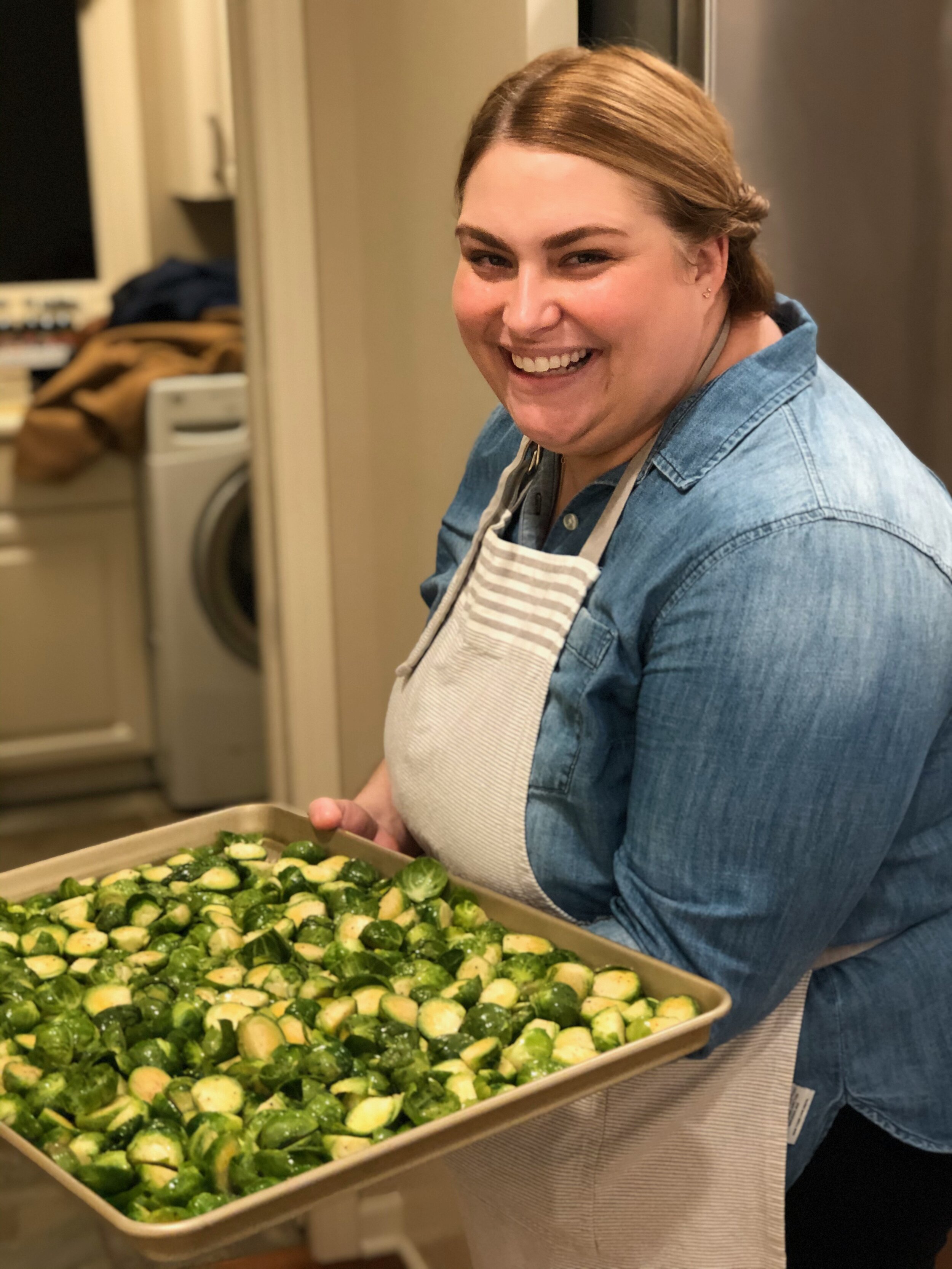
The method we used for making rice was one I have never tried before. I boil water, add rice and salt, bring back up to a bowl, cover, and simmer until the rice is done, usually about 15 minutes. We used a similar method, after you add the rice and cover, you cook the rice in the oven for 15 minutes. It turned out pretty great. I'm happy to have another option, especially one that uses the oven if my stovetop is full.
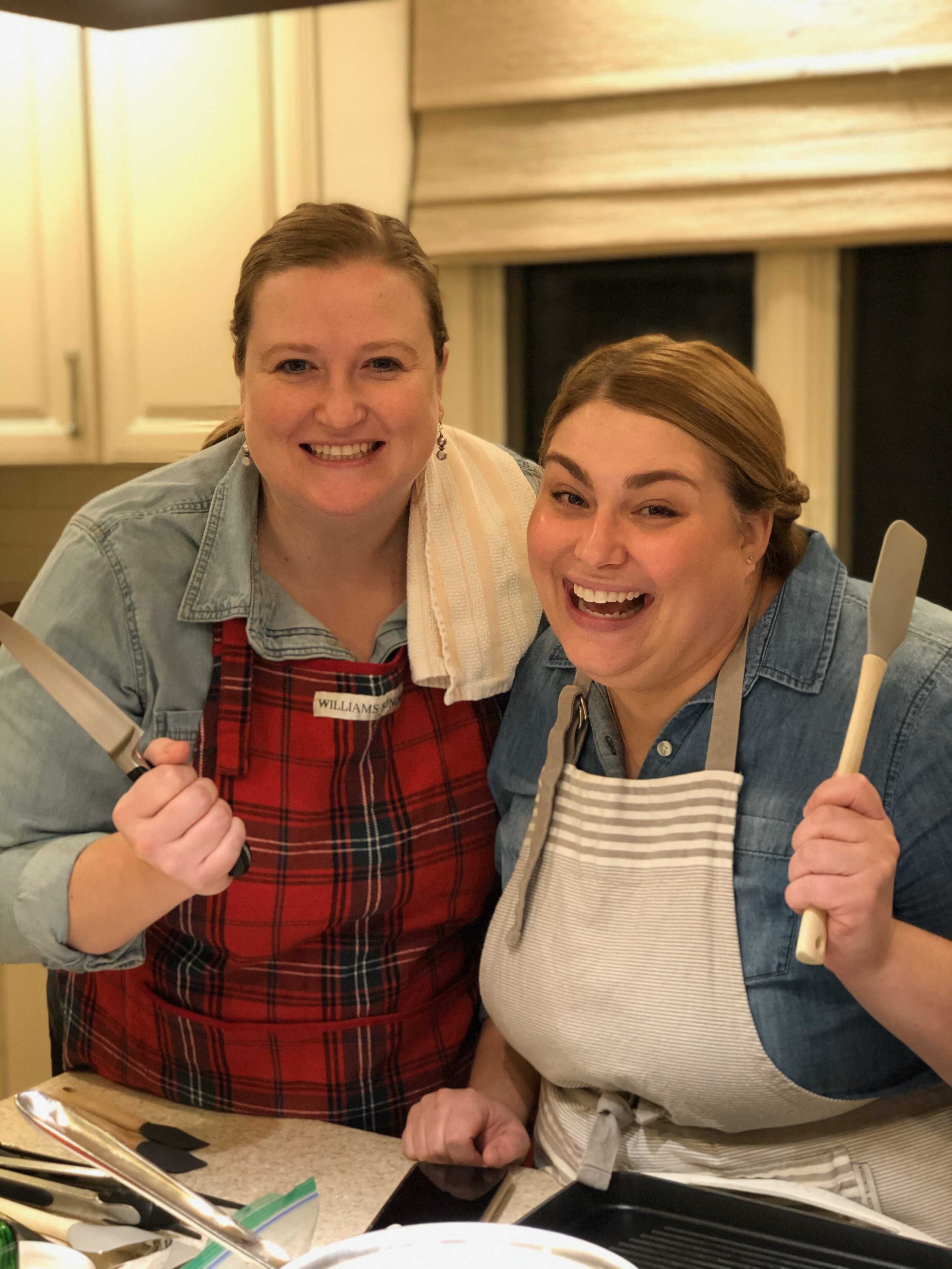
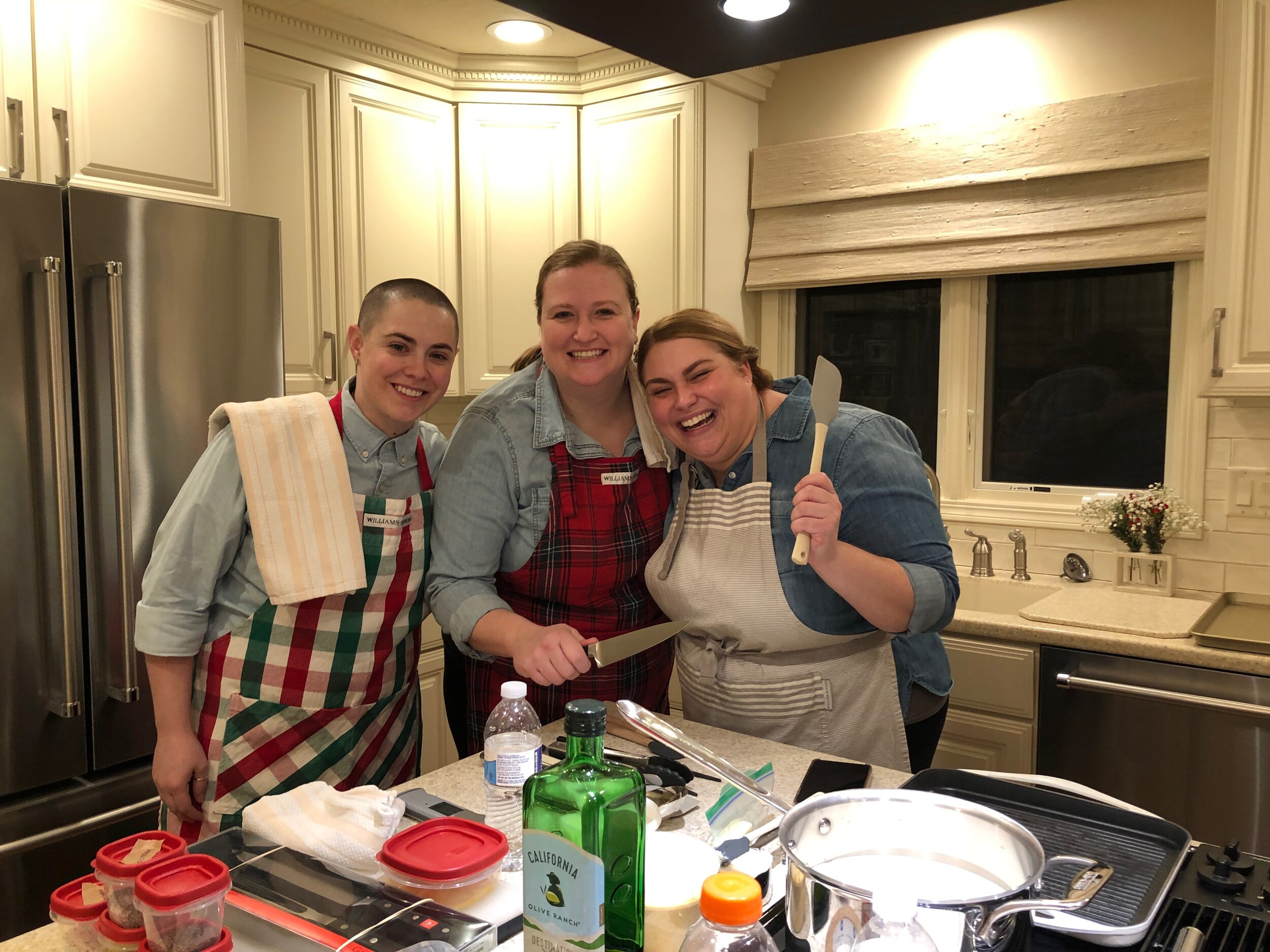
The pasta was pretty much exactly as you'd expect, boil salted water (it should taste like the ocean), a little oil, and cook until al dente. The oil point is highly debated. We made it with oil in class. Honestly, I feel like the answer depends greatly on what you're going to do with the pasta after it is cooked. If you're going to dump it directly into the sauce, you probably don't need oil. If you're going to oil it and sauce it later, the oil will prevent the pasta from sticking together. Adding salt to the water, however, there is absolutely no room for debate. The water should be salted, and heavily when you cook the pasta. I'll repeat it; the water should taste like the ocean.

We then took our pasta and rice skills to the races. Half the class made Chicken and Rice while the other half of the class make Macaroni and Cheese. I know. I made chicken and rice. It was the first time I felt like I was really cooking. It was fun. My chicken and rice turned out great. I didn't bring my phone into the lab that day, so I didn't get a picture. Sad.
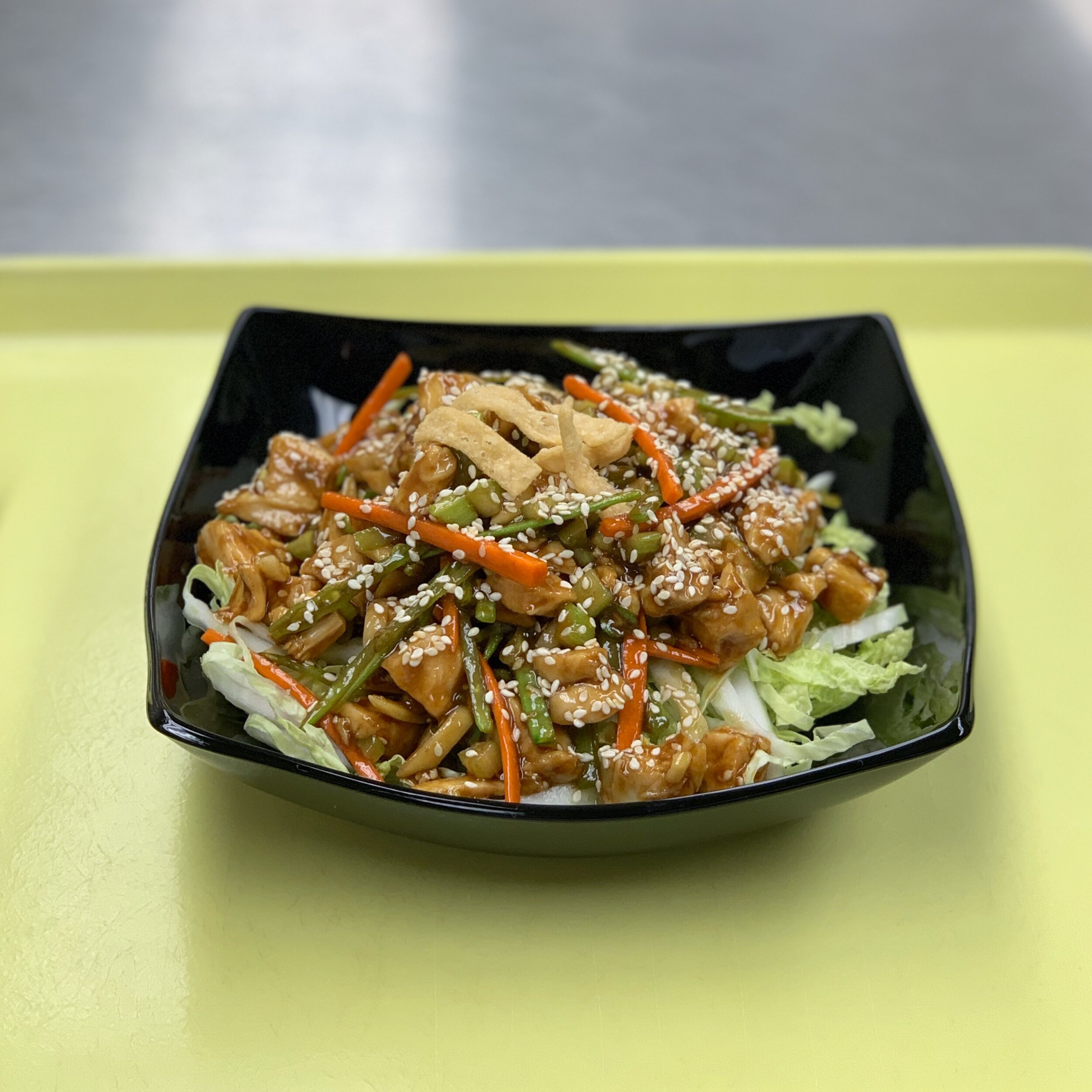
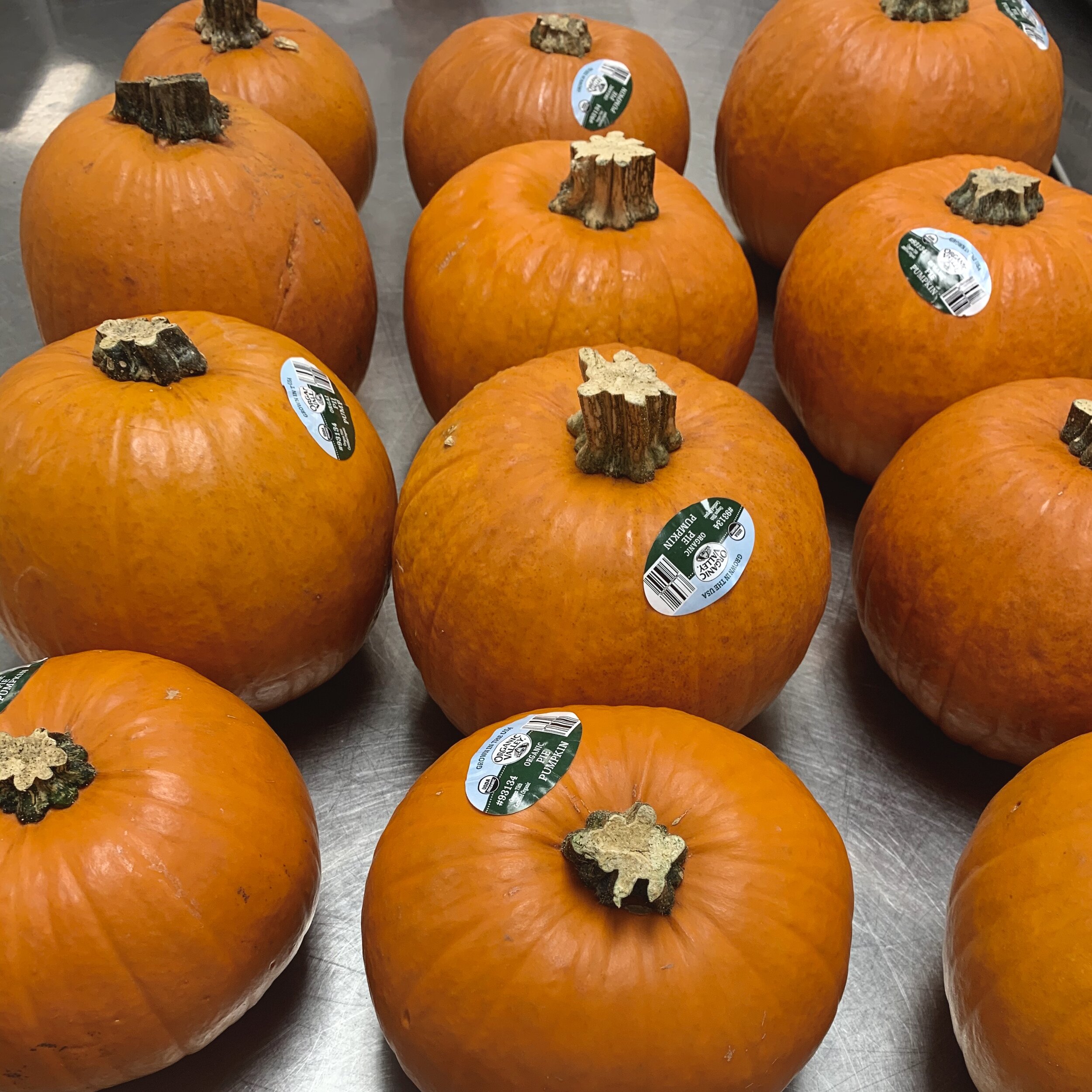
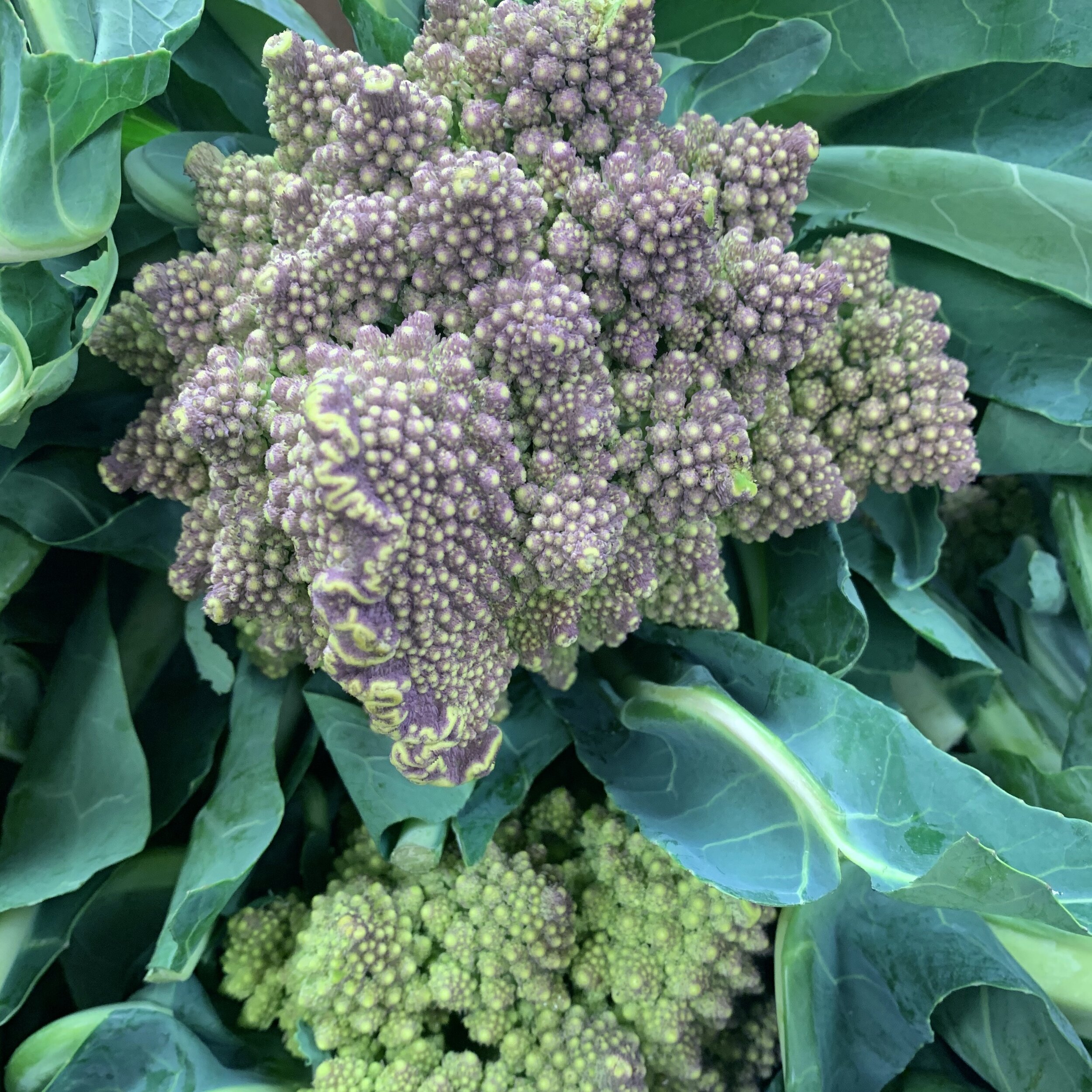
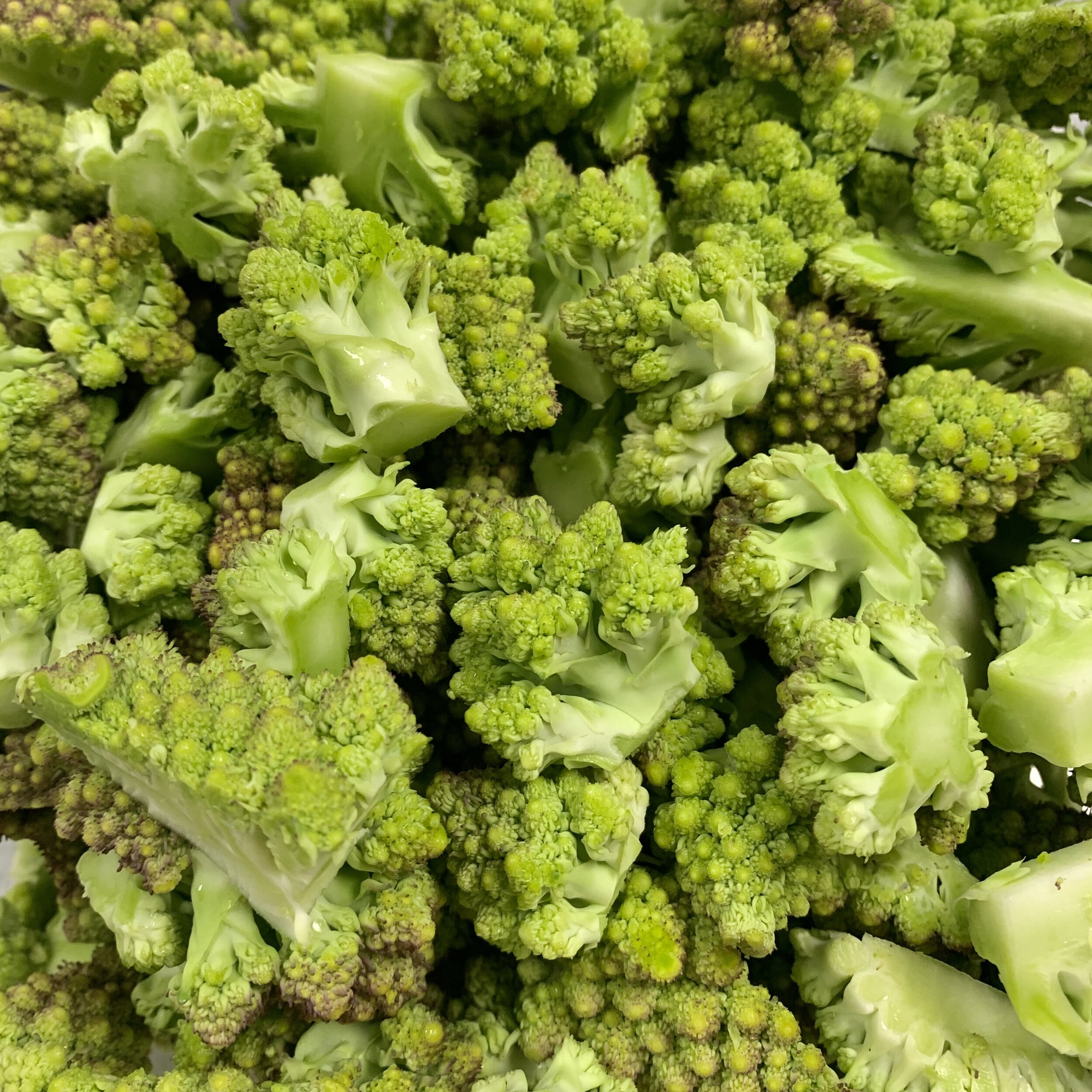
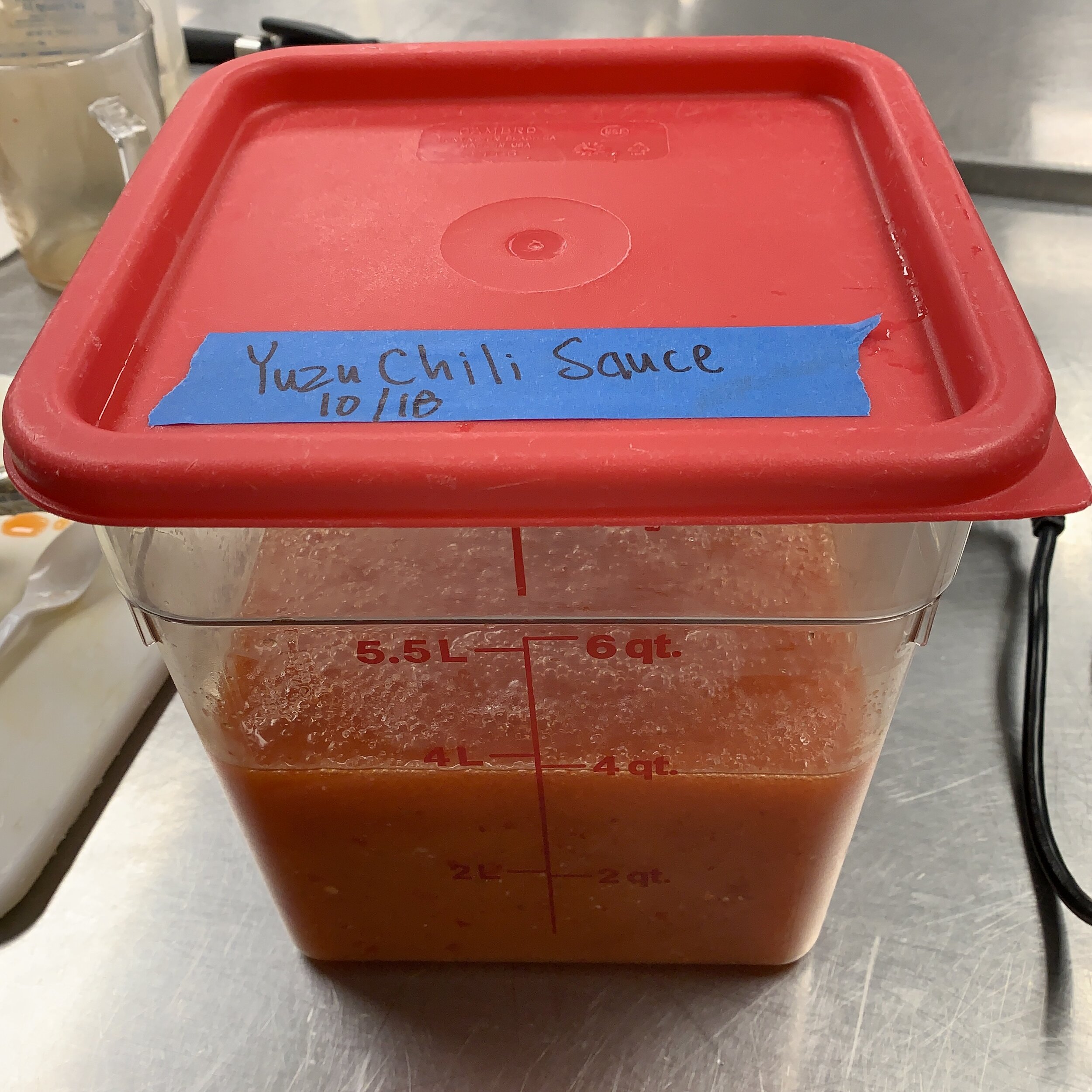
Later in the week, I helped prep for the World Food Prize dinner, which was held on Friday night. It was so fun. I got to work independently, getting assignments from Chefs. I cleaned green onions, washed masses of Nappa and purple cabbage, counted and polished dishes, cut romanesco, made Korean BBQ Sauce, Yuzu Sauce, julienned sweet potatoes with a mandoline, and made a million tiny little potstickers. It was great. I'm thrilled I was able to participate.

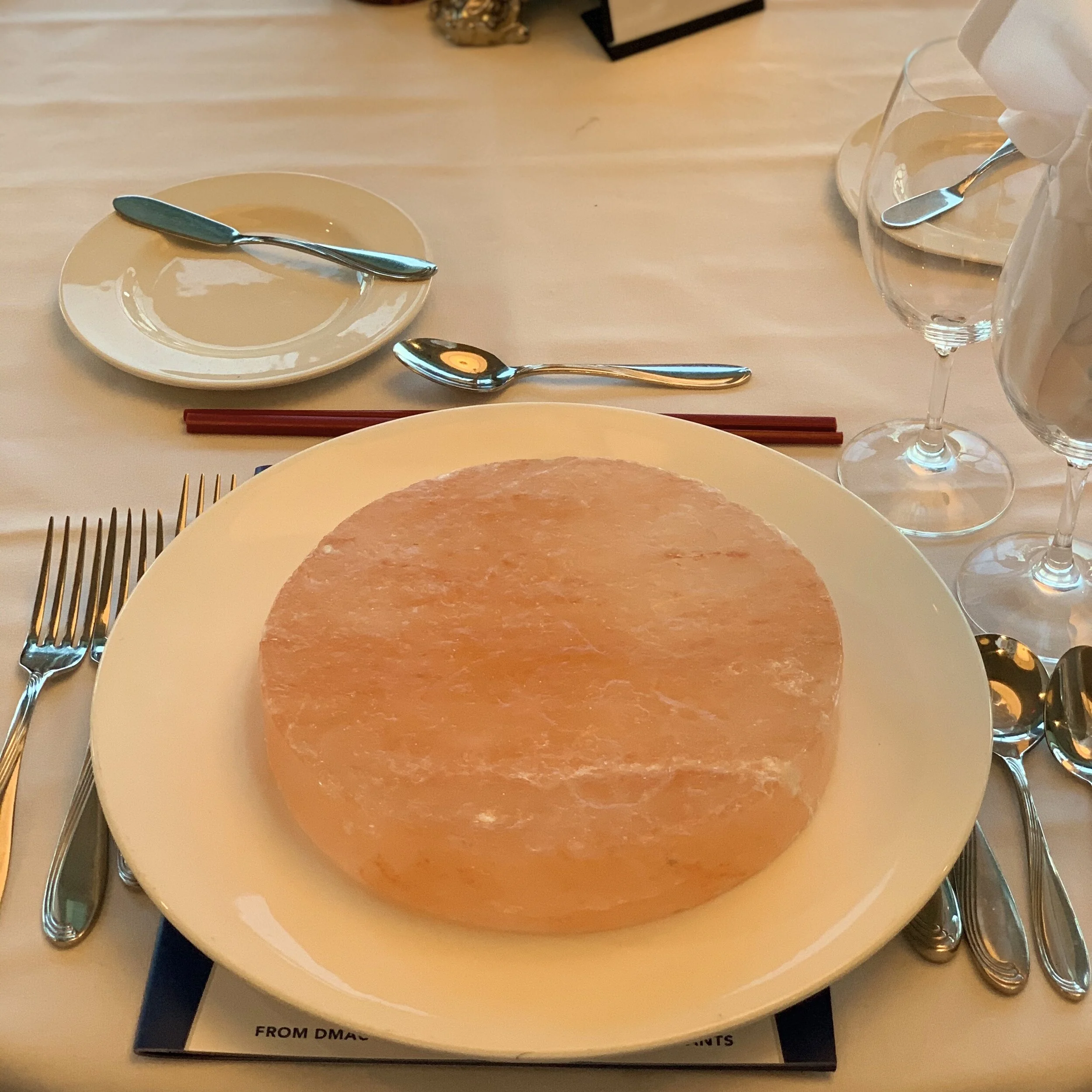
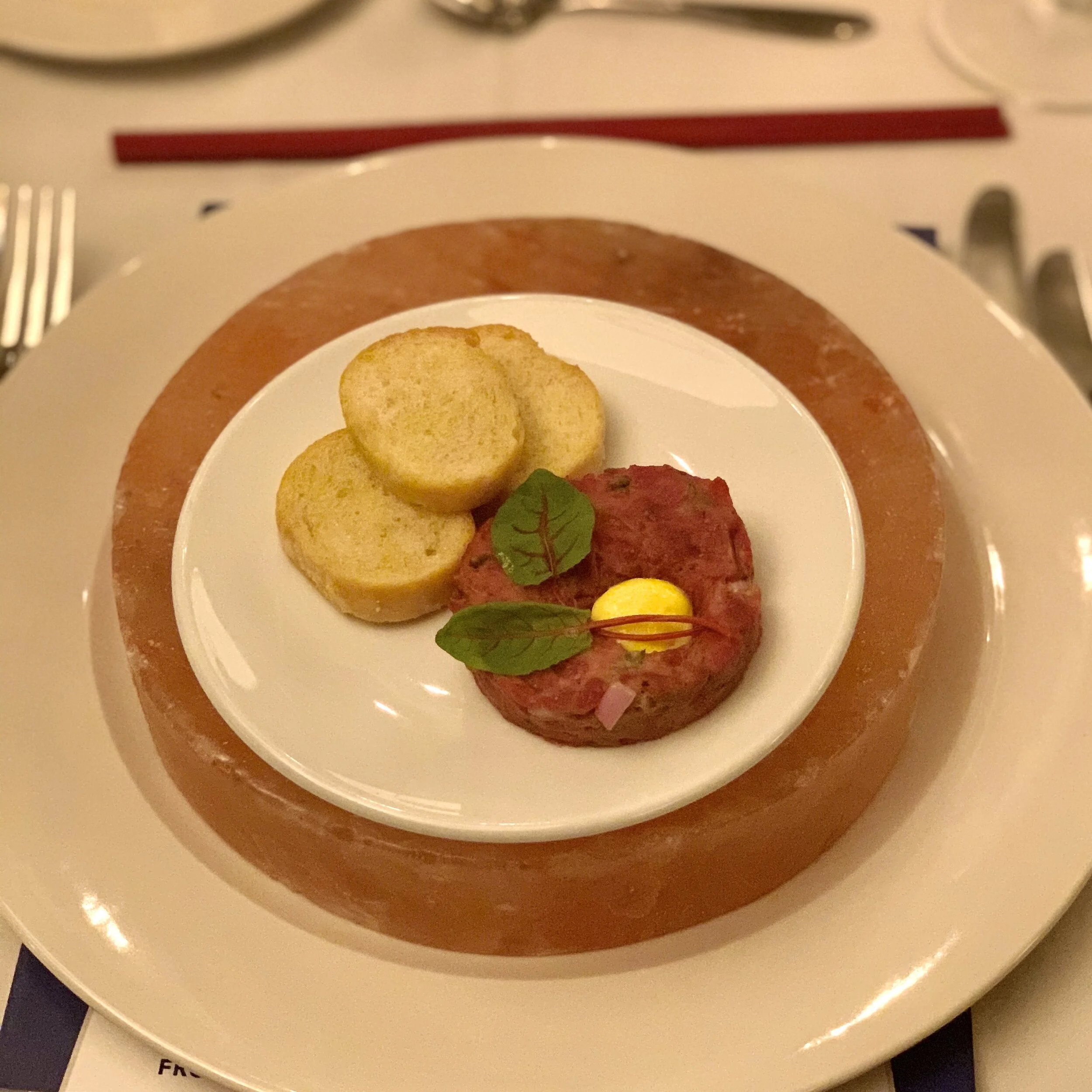
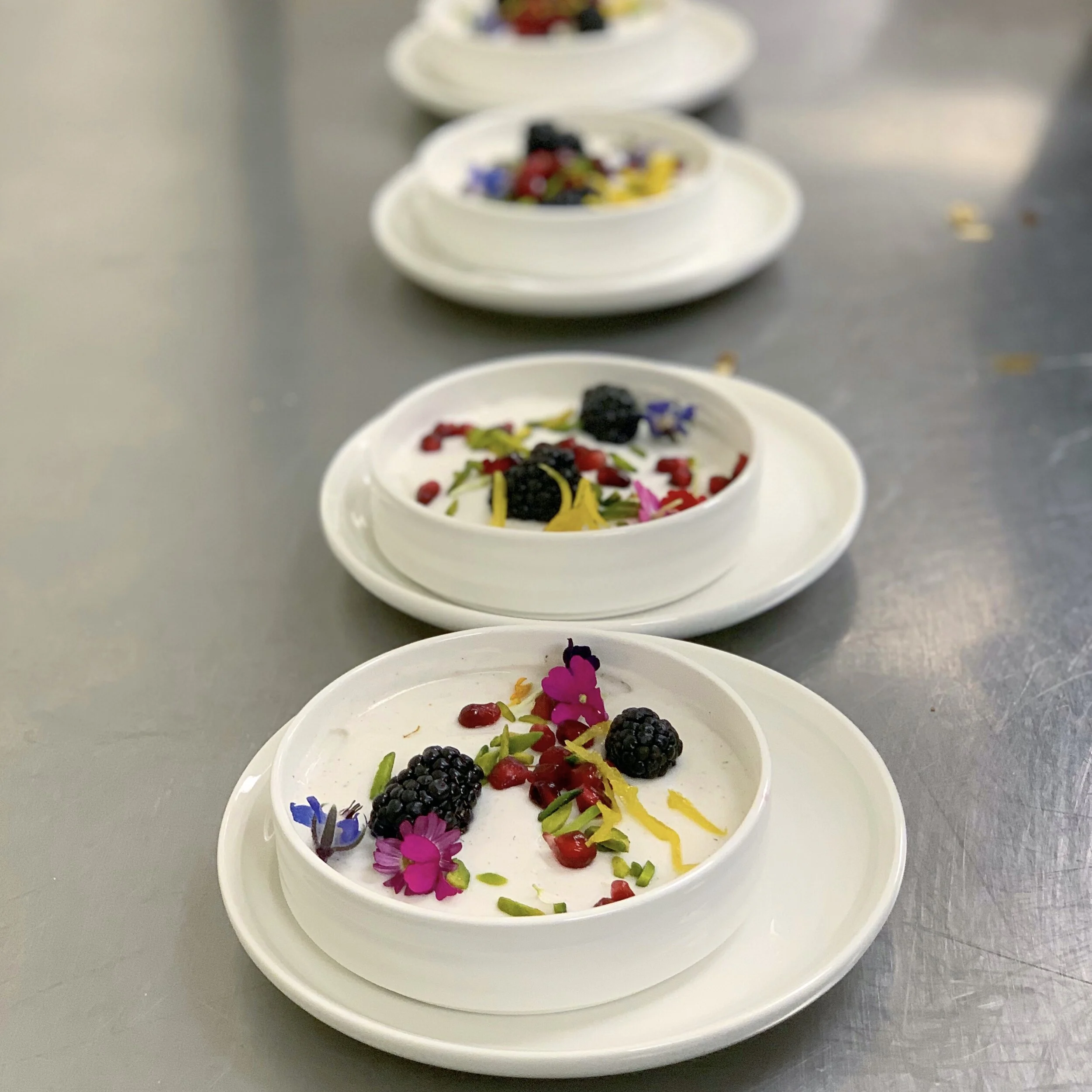
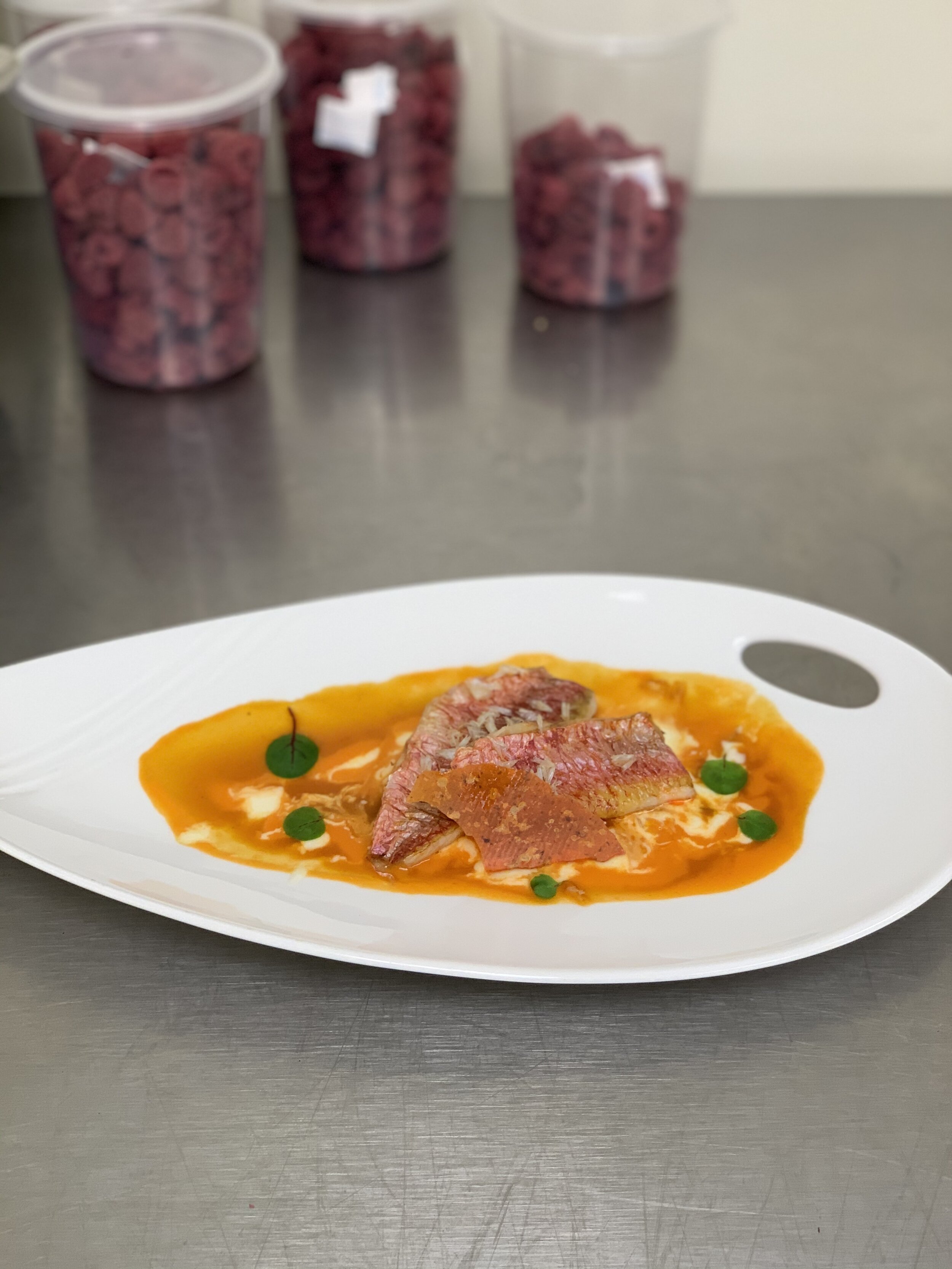
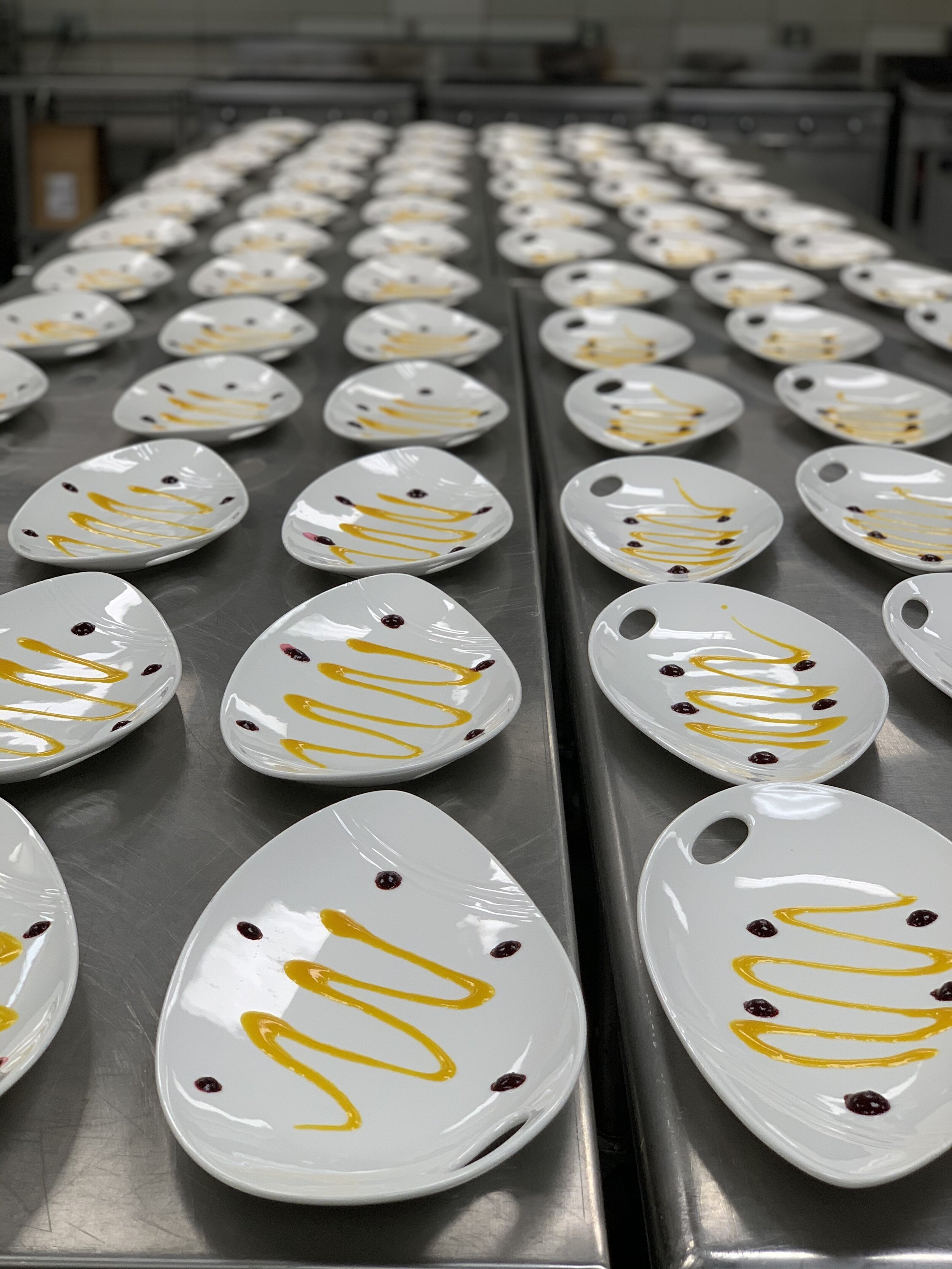
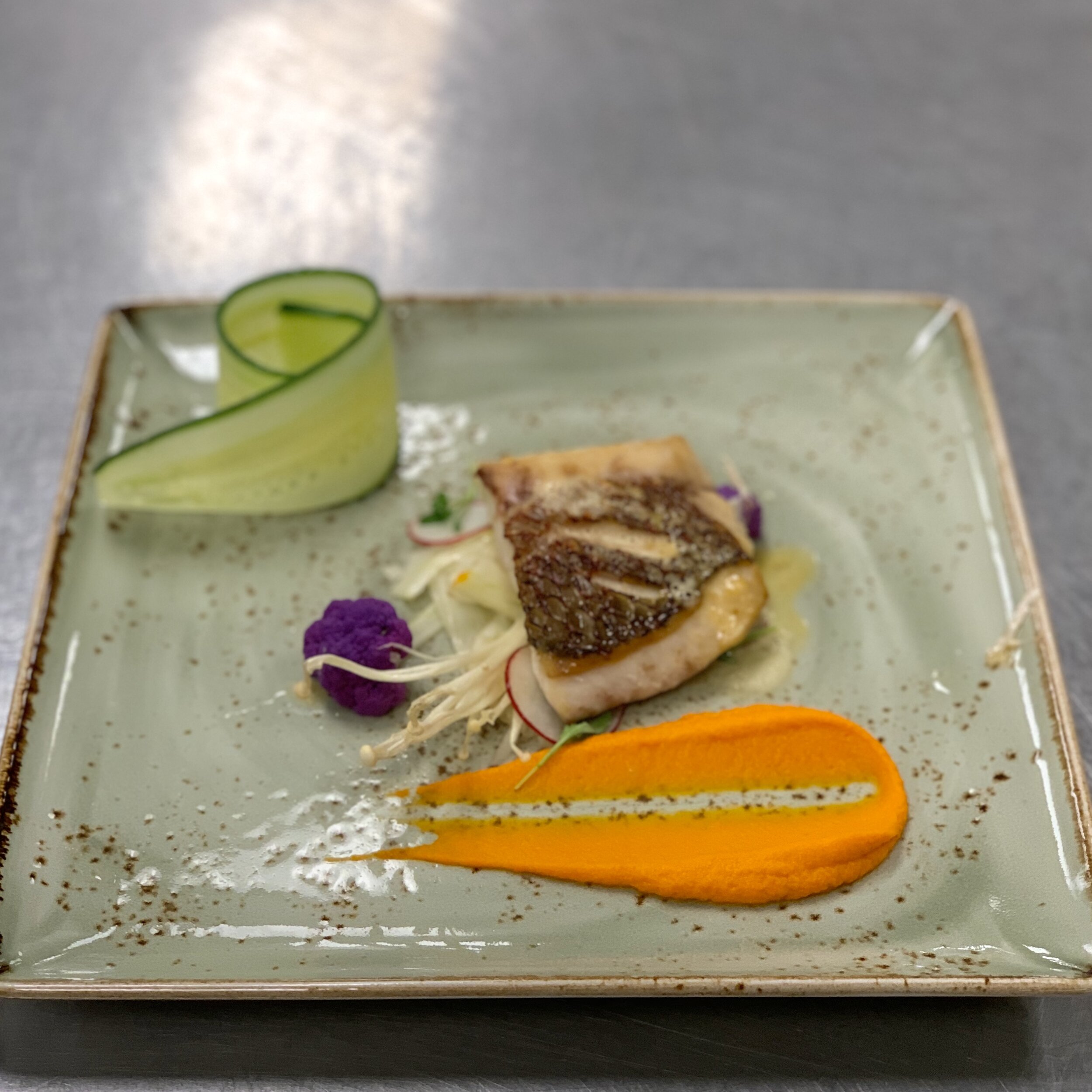
The theme for my Fine Dining class was Curaçao. Each course was beautiful. I included a photo of my favorite, the fish course. The plates the course was served on are new, and I love them.

I registered for my spring semester. I can't believe it. I am registered for five classes next semester; Dining Room Service, Nutrition, Work Experience, Business English, and Purchasing. It should be a little lighter semester as I'm taking five fewer credits than this semester.

Next up, Stocks, Sauces, and Soups!

Week 8 | Midterm

This week was midterm! I can't believe I'm already halfway through the semester; it's going so fast.

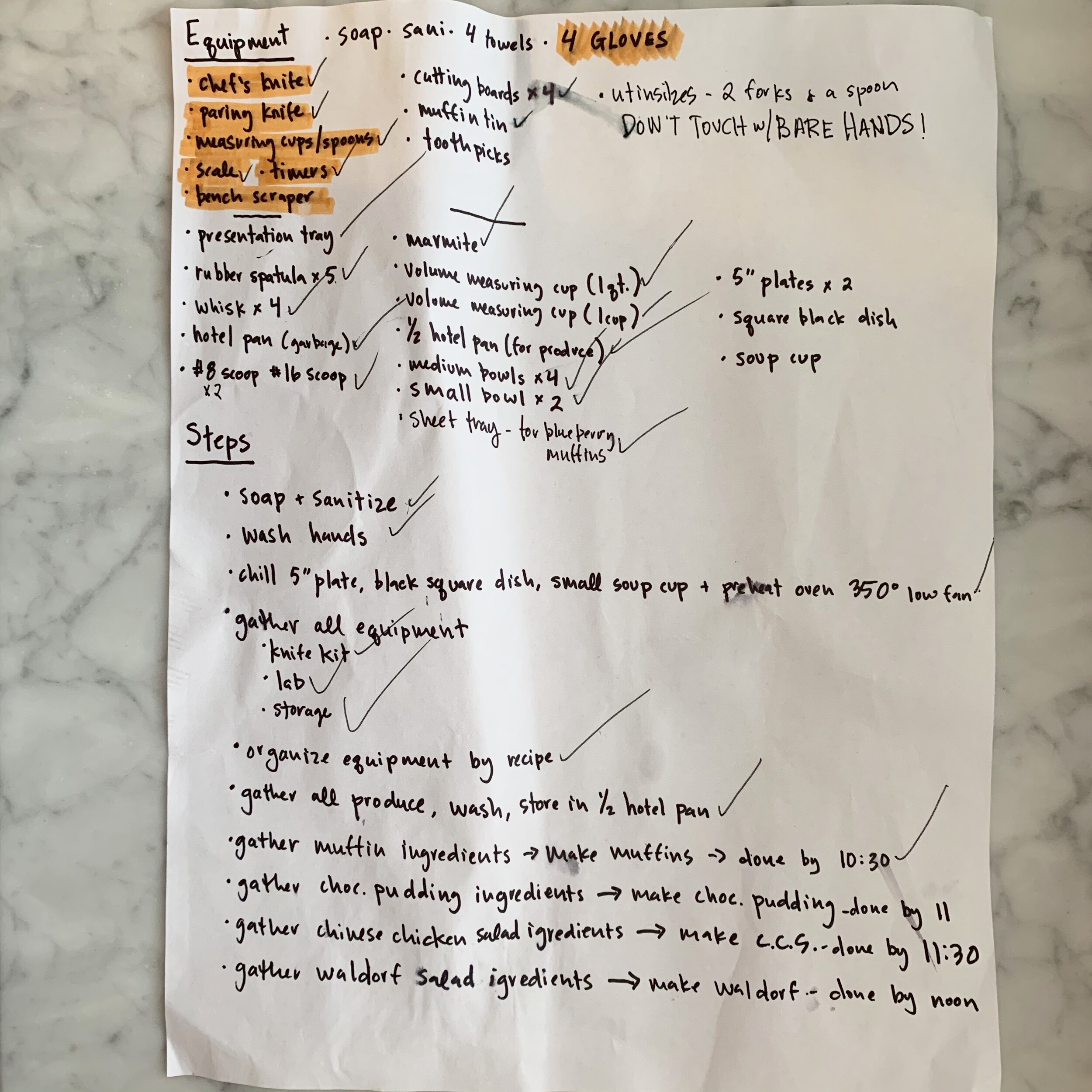
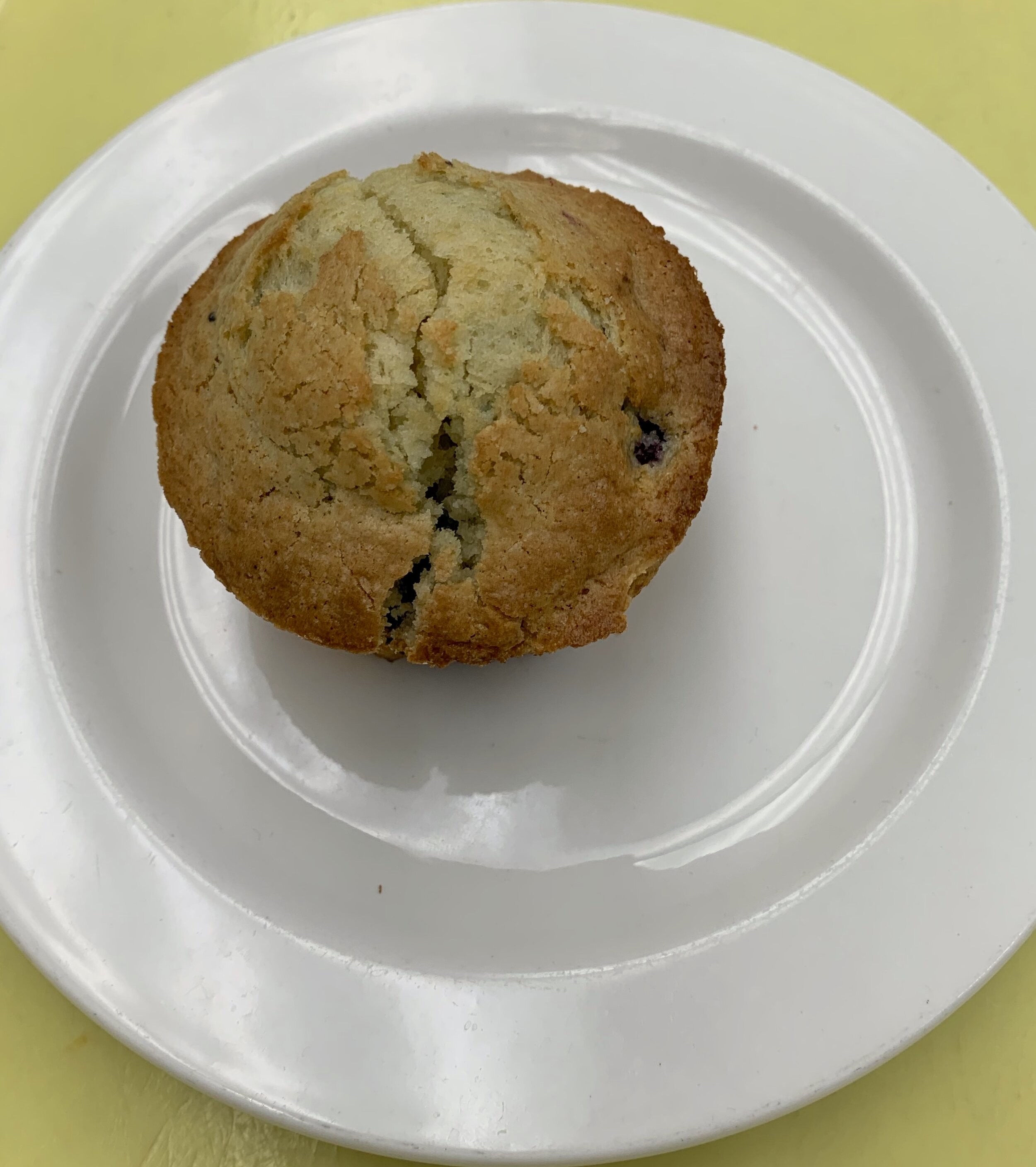
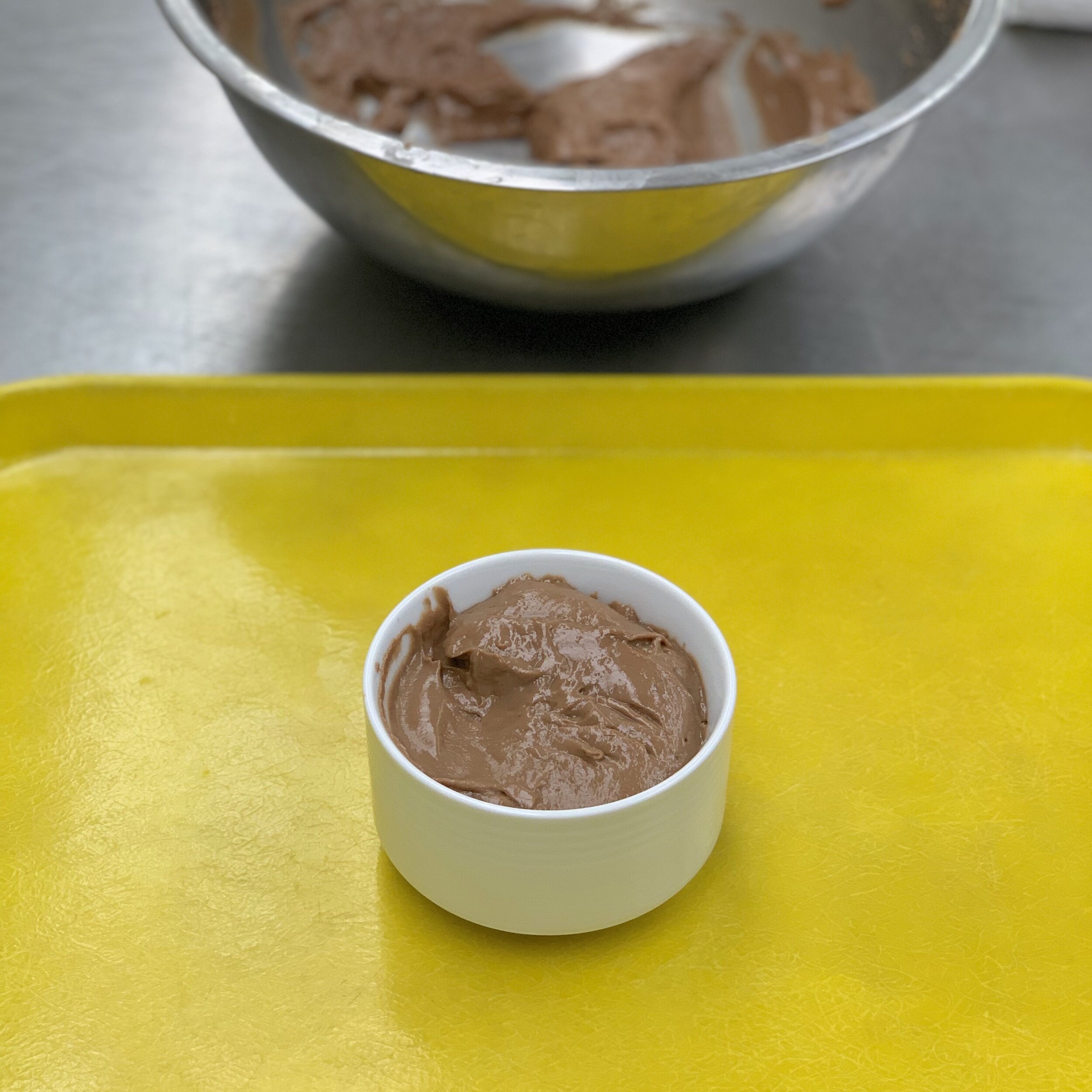
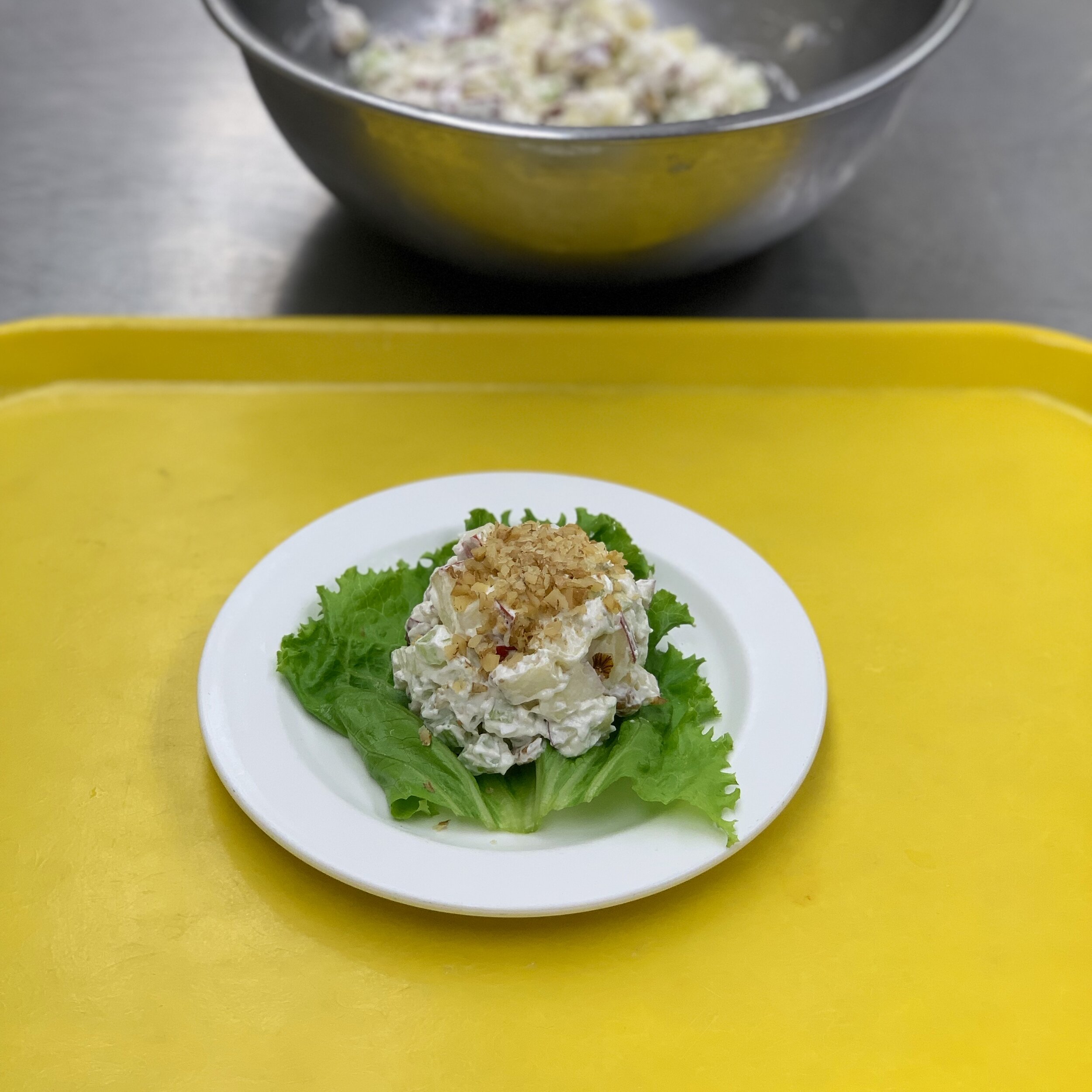
Since it was midterm, I didn't have a lab on Monday. Half of the class took their exam on Monday, the other half (ME!) on Wednesday. We made four recipes we've previously made in lab, Blueberry Muffins, Chocolate Pudding, Waldorf Salad, and Chinese Chicken Salad. We had two hours to prepare and present them. I wasn't too worried about this since we had made the recipes in class, and I didn't have any problems making them the first time. I was a bit worried about getting them done in time. I'm pretty slow. I like to get everything just perfect, and that takes time. I was able to get my items done, but there was not a minute to spare. Everything turned out great, and the Chef complimented my knife skills. I don't feel that my knife skills are where I'd like them to be, so it felt terrific.

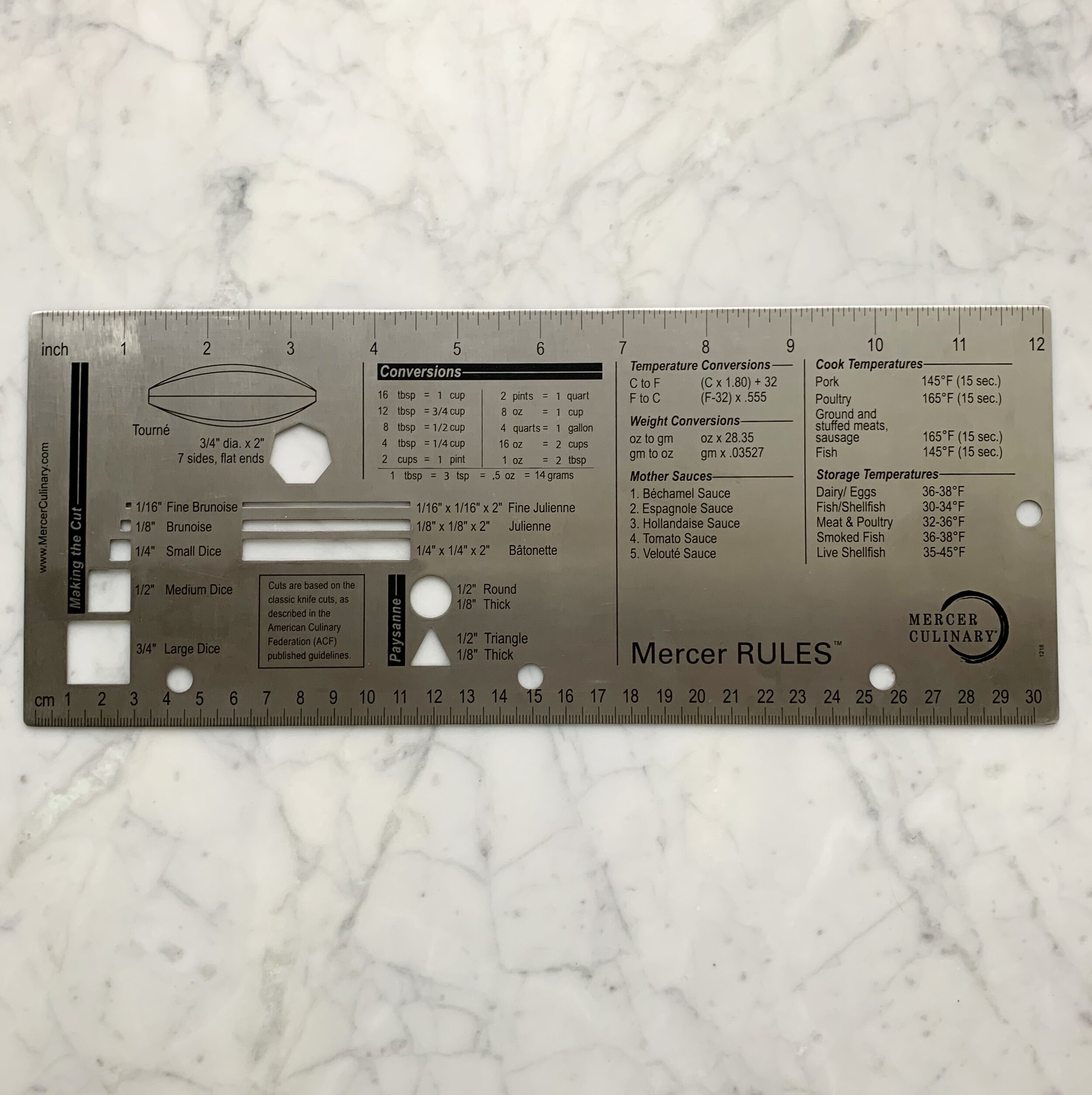
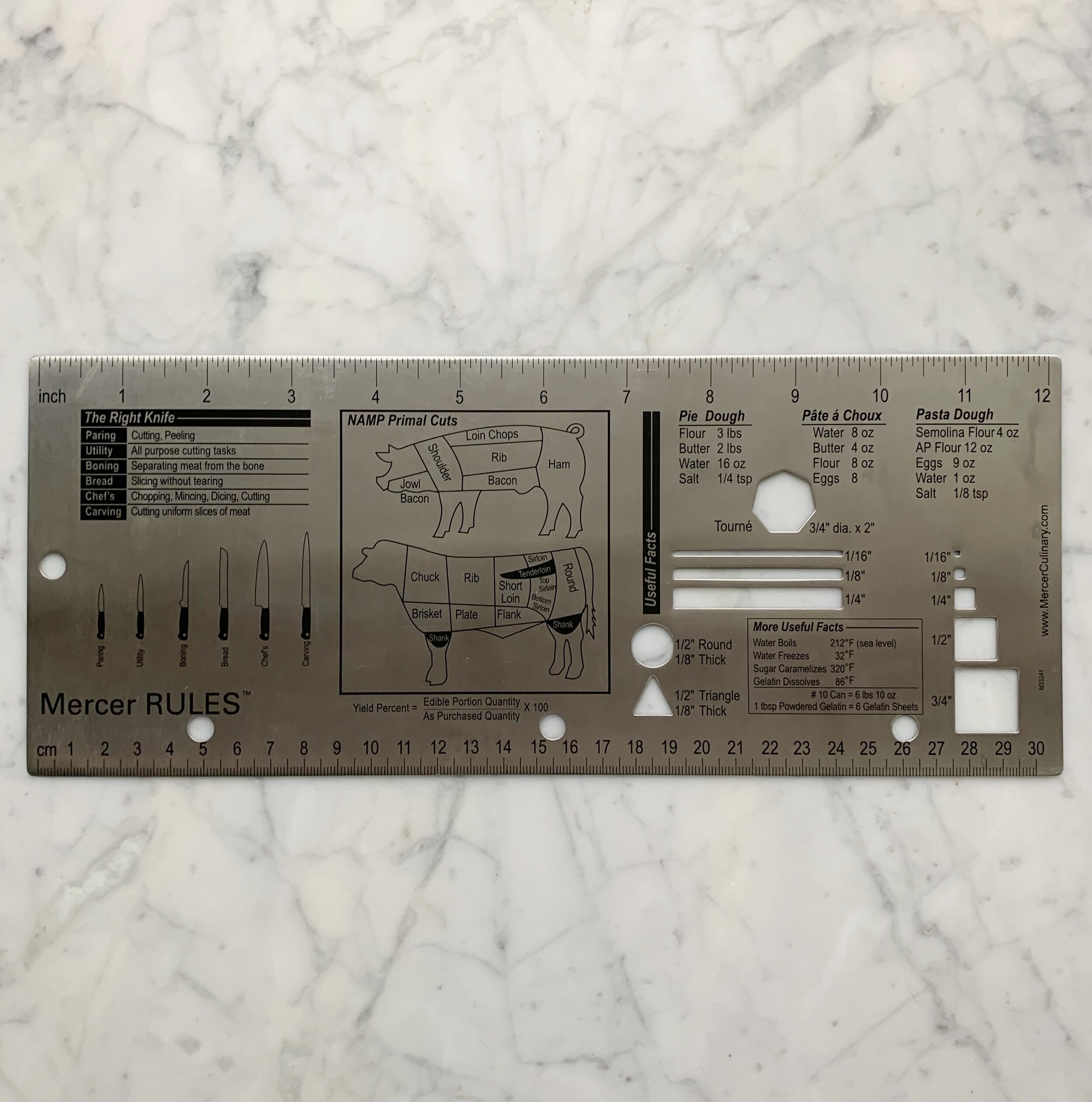
During the exam, we were able to use notes. I put together a strong plan of attack and was able to execute without any trouble. We also have a ruler that shows the different cut sizes, so I able to get my small dice and julienne cuts perfect.

In other exciting news, I was asked to work the World Food Prize dinner next week. I'm not exactly sure what all this will entail, but I'm guessing I'll be doing a lot of ingredient prep.

There are a couple of other exciting things on the horizon. I'll share when I know more, but I had one of those weeks where I felt like my hard work is being noticed and paying off, and THAT is a good feeling.

Week 7 | Panna Cotta, Pudding, and Potatoes

This week I made Waldorf Salad, Panna Cotta, Chocolate Pudding, and Mashed Potatoes. Does it sound like the most random list ever? I know, but it's truly not.

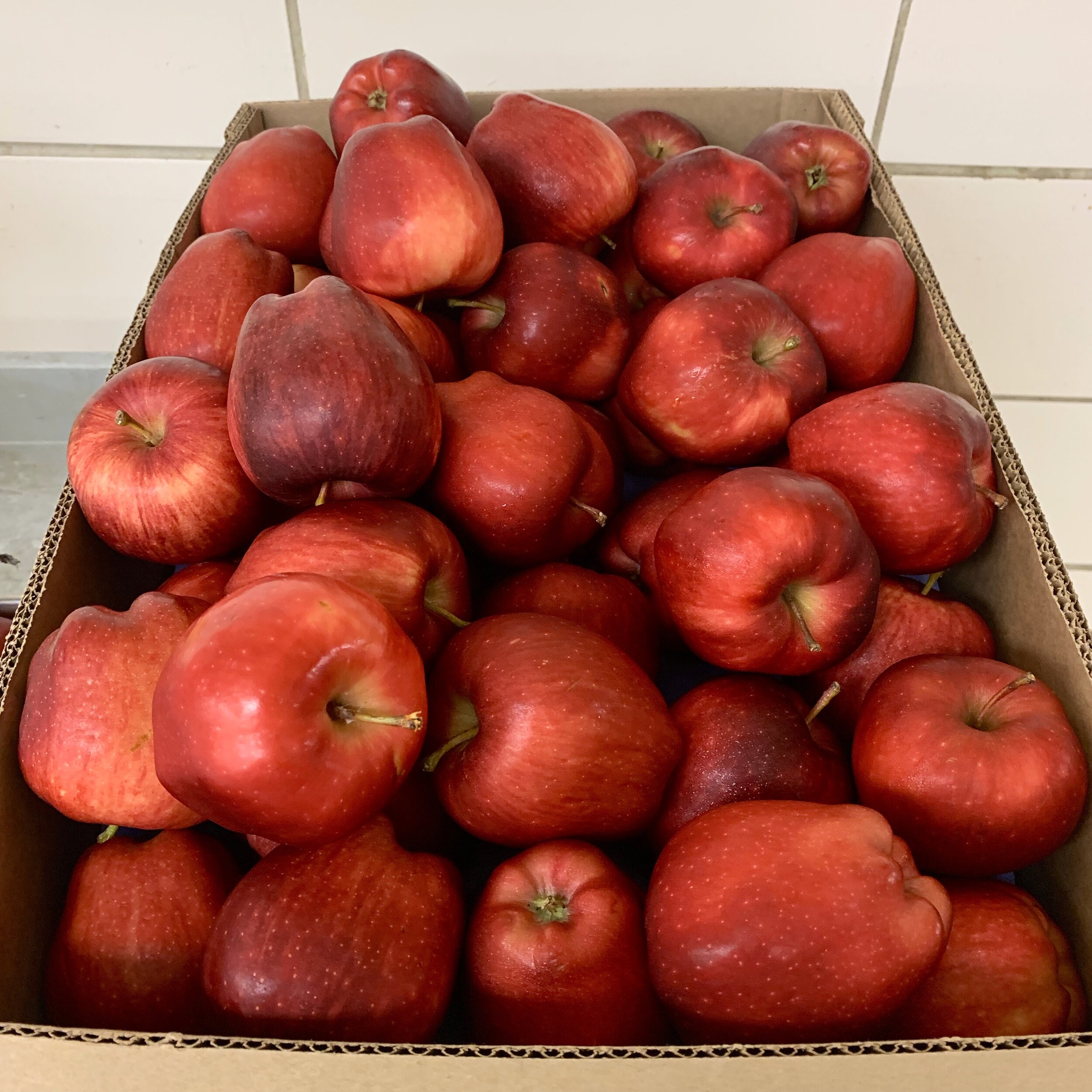
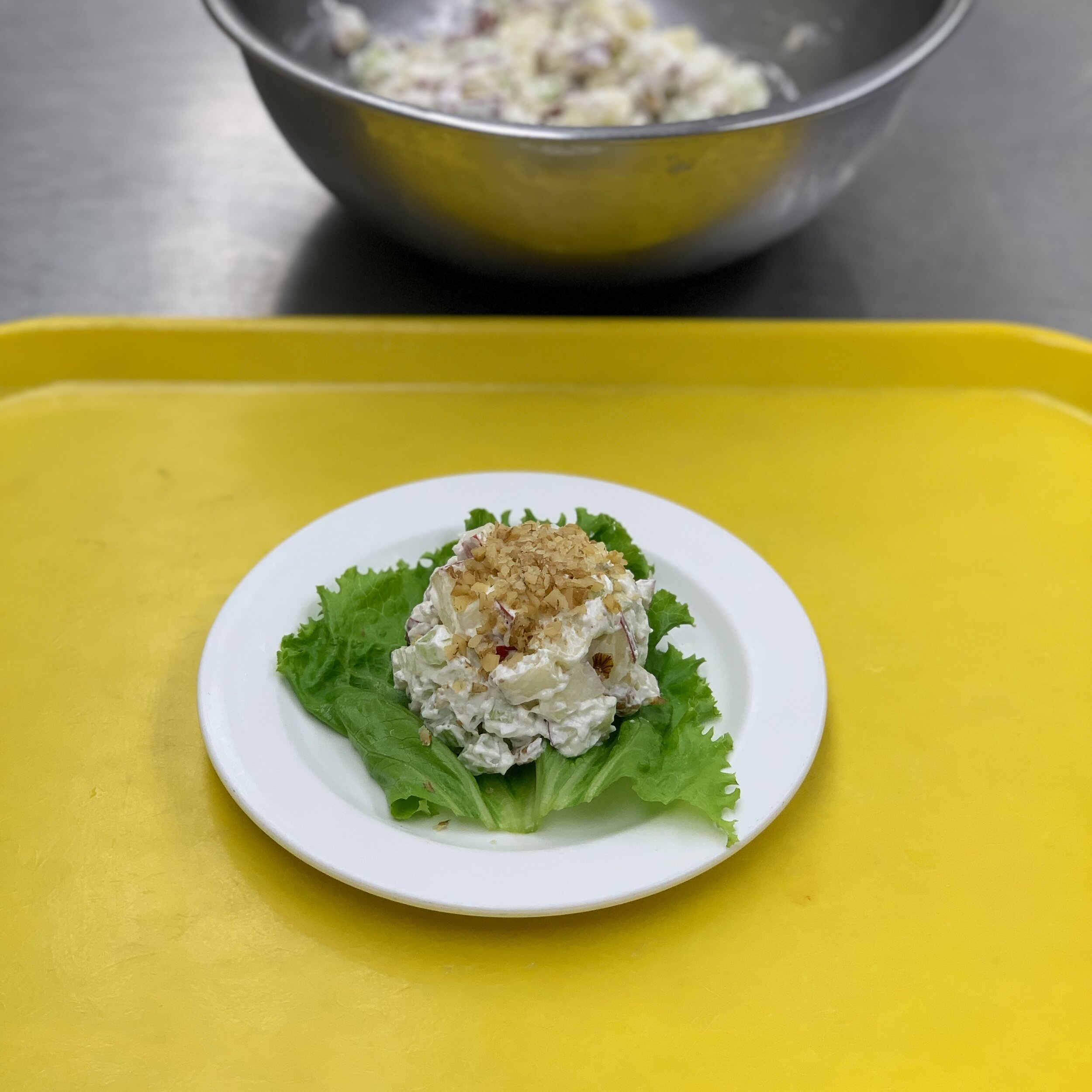
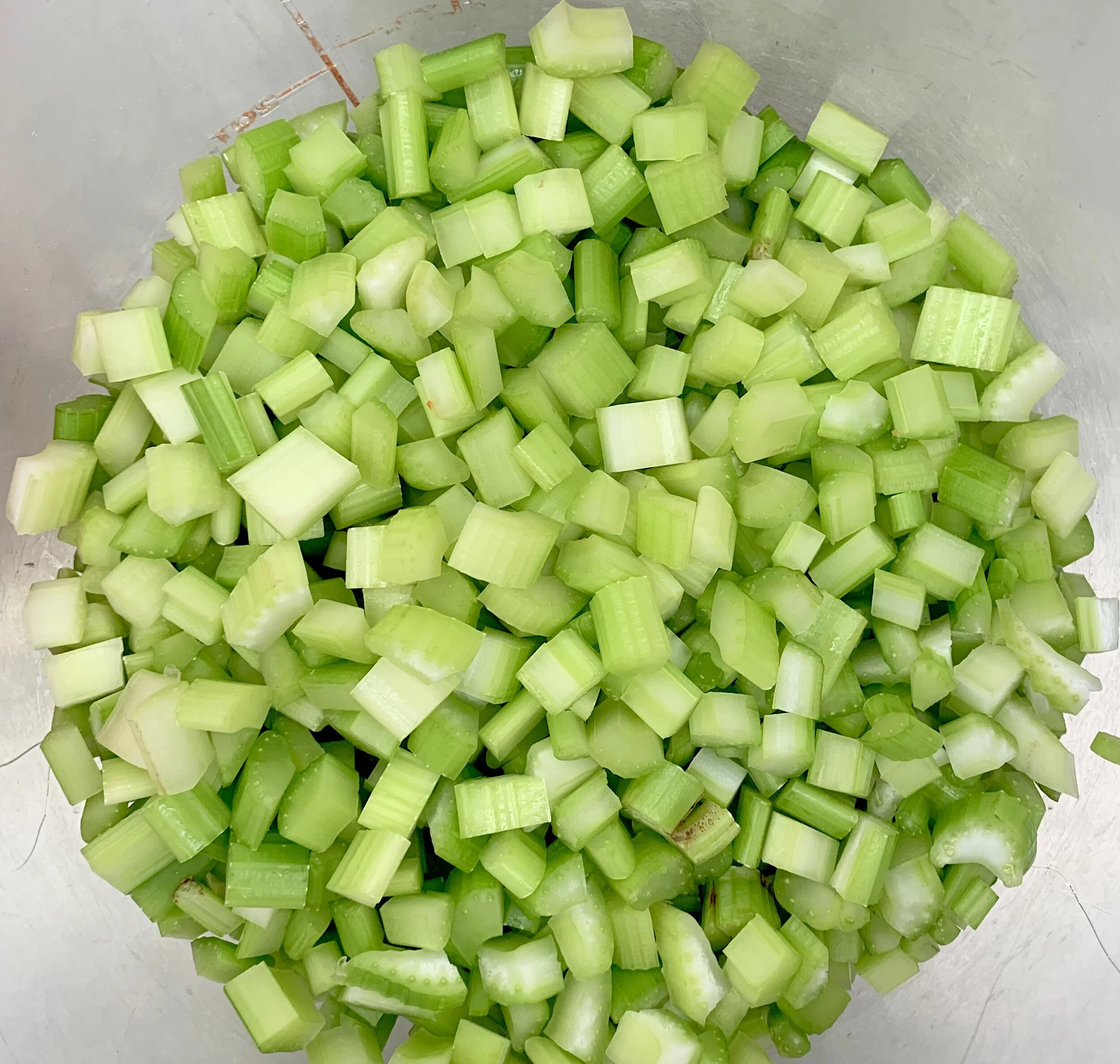
I made Waldorf Salad, which, if you're not familiar, is a cold salad with apples, celery, walnuts, and a sweet, creamy dressing. The dressing is made of whipped cream, mayo, and a little lemon juice. It's quite good. The apples and celery are cut uniformly, so it's a great salad to make to practice knife skills.

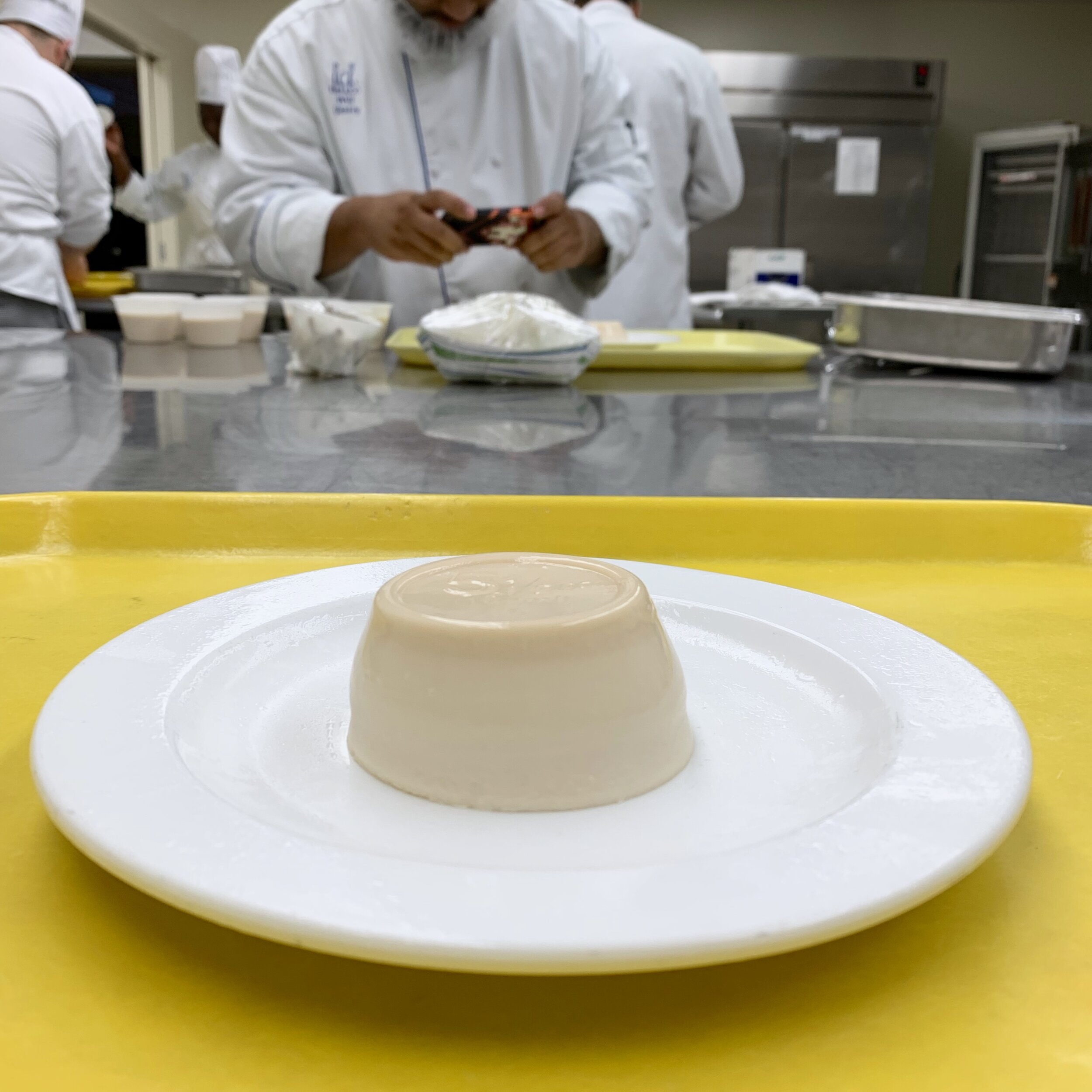
Next, we wrapped up gelatins. We made Panna Cotta and used gelatin sheets instead of the gelatin powder. The difference was amazing. The Panna Cotta was so smooth and silky. It's simple to make if you're comfortable working with gelatin and have plenty of time to let it set. The gelatin sheets we used aren't sold in grocery stores, but you can find them online. They are more expensive than powdered gelatin.

The next unit we're studying is starch. We started by making Chocolate Pudding. Have you ever had homemade Chocolate pudding? I swear it might be my new favorite food. It's so good, and honestly, it's not that hard. You heat milk, cream, cornstarch, and sugar; melt in chocolate; cook slowly until nice and thick, and finally chill. I'm hungry just thinking about it. It's delicious.

Now we have used eggs, gelatin, and cornstarch to thicken desserts. See! All those random things we made are fitting together so nicely. They are similar, puddings, and custards, but all have slightly different textures.

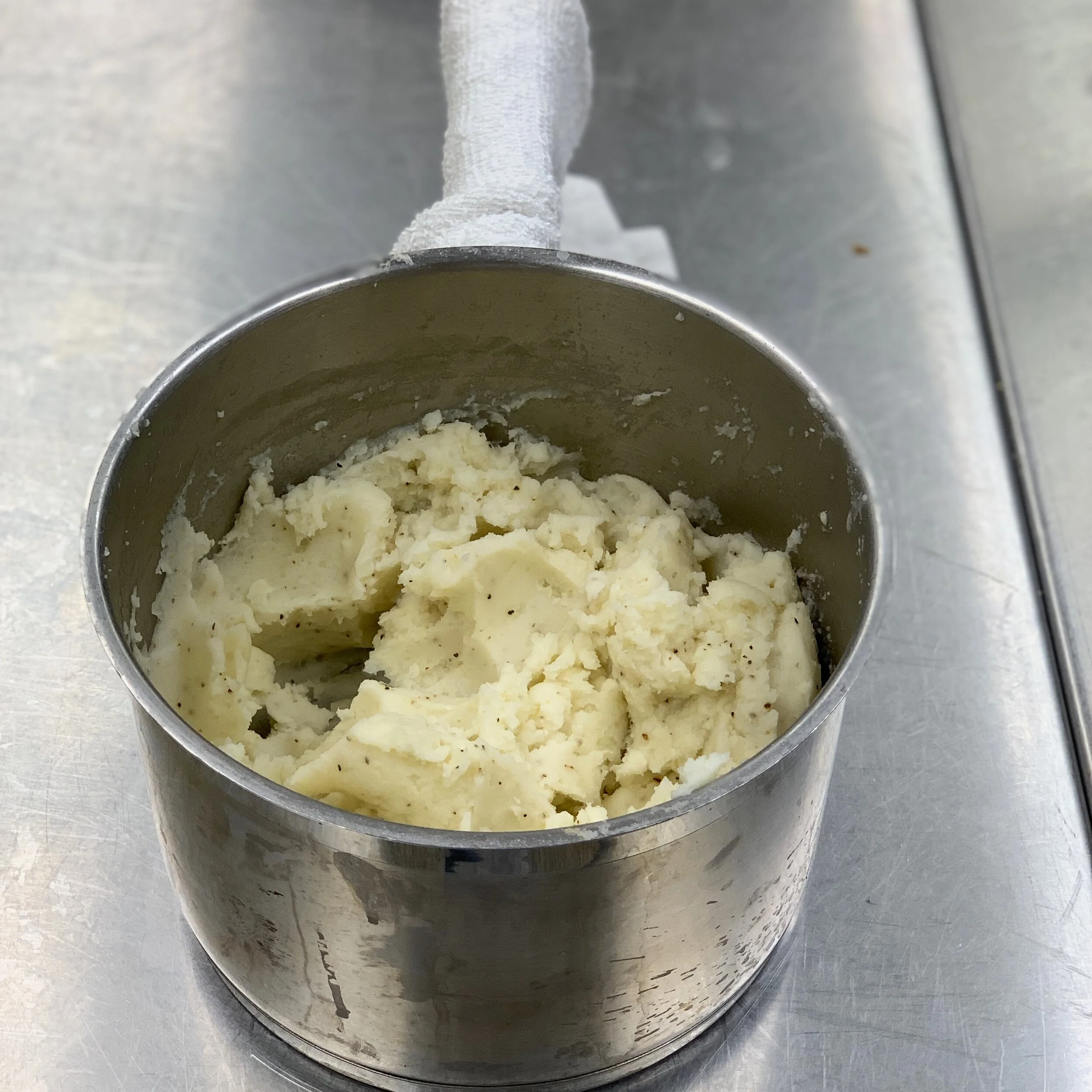
Finally, we made mashed potatoes. They are straight forward and the most practical thing to make while learning about starches. There are SO many ways to prepare potatoes, and they are all good. That was my week!

Next week is our midterm in the lab. I can't believe I'm halfway through the semester already. It's flying by. We are making four dishes we've previously made; Blueberry Muffins, Chocolate Pudding, Chinese Chicken Salad, and Waldorf Salad. We have two hours to make these four dishes and then present them all at once to our Chef. It will be a test of time as much as skills to get all four recipes made in two hours, but I am feeling pretty confident. I need a plan so I can stay organized and focused during the exam. Wish me luck!

Week 6 | Orange Charlotte

This week I had my first test in my lecture. I studied A TON, and I was pleased with my grade. So yay! The test covered culinary history, equipment, measurements (like quarts to gallons and tablespoons to cups), principles of baking, twelve steps of baking, muffin and biscuits techniques, and principles of gluten. I am so excited that I know all this stuff now. I have been cooking at home for years. I can follow a recipe, and I understand the balance of flavor and texture. However, learning why and how things work is great.

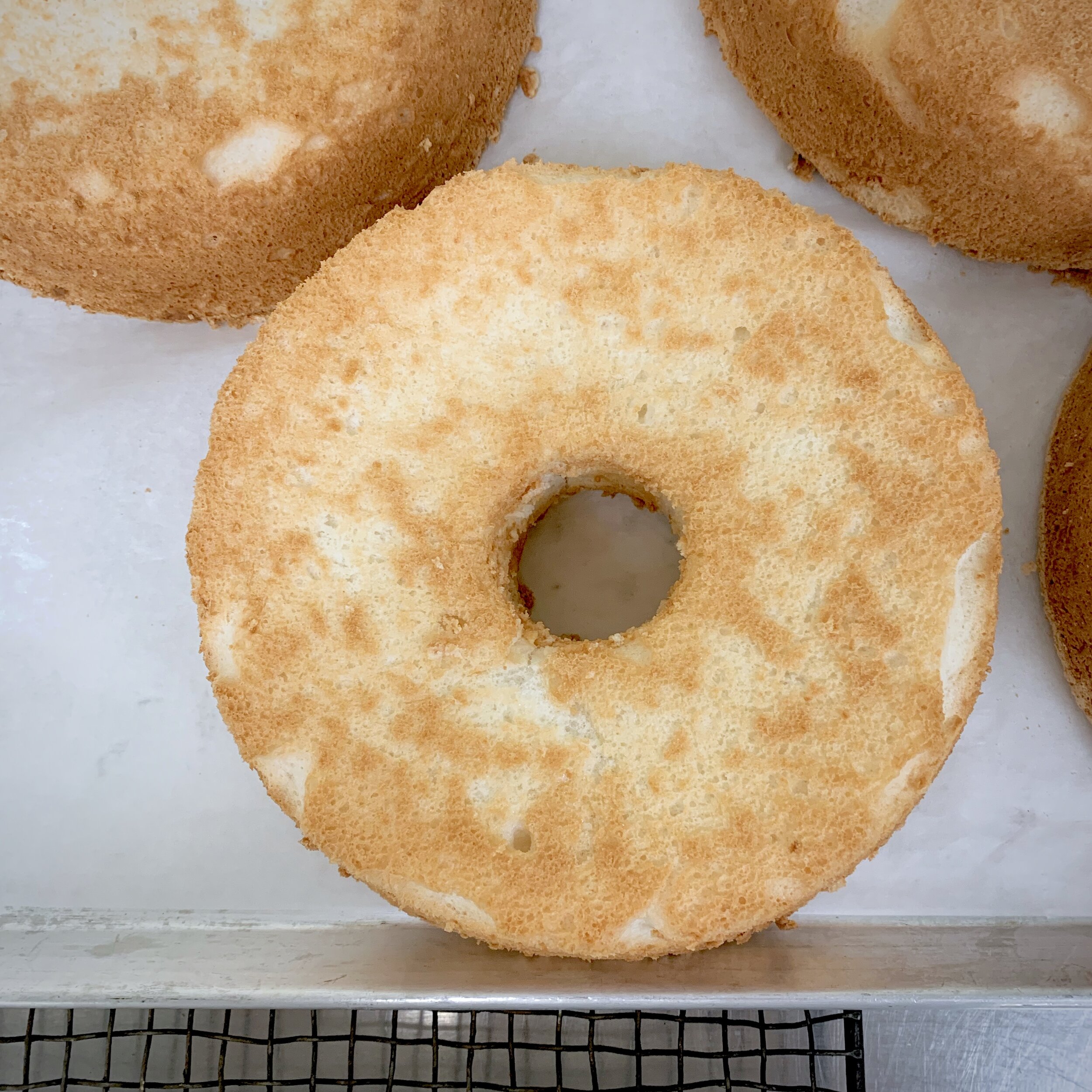
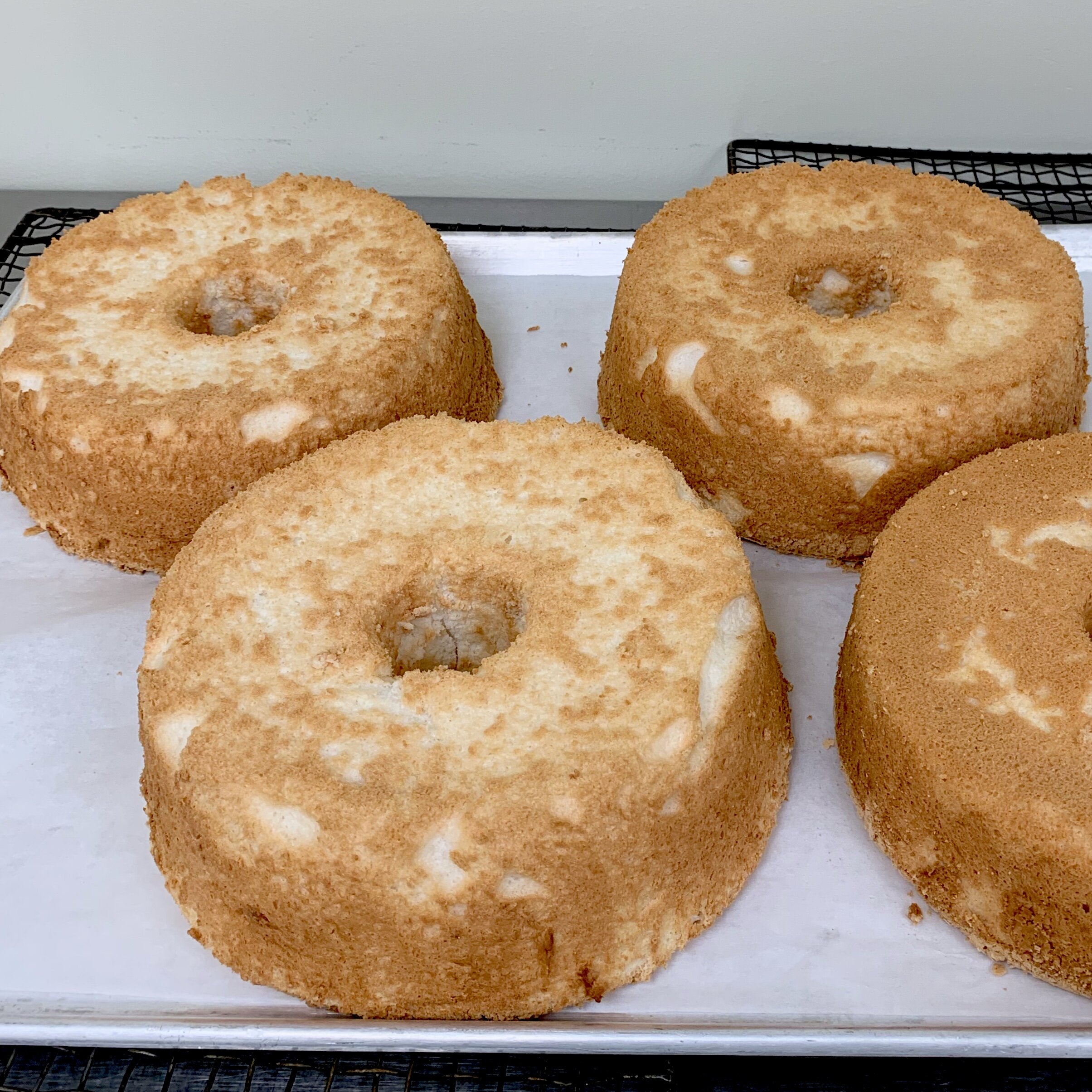
In my lab this week, I made Orange Charlotte, Chinese Chicken Salad, and practiced my knife skills. The Orange Charlotte was weird and felt like a somewhat old-fashioned dessert. However, what I learned was valuable. I had to use unflavored gelatin to create the structure for the filling of the dessert. Last week I made Crème Anglaise, and my classmates made baked custard (think Crème Brûlée), the structure is provided by eggs, in those desserts. I also made angel food cake. The leavening agent in Angel Food Cake is eggs whites. So, I'm starting to formulate a foundation of how to create structure in desserts with things like baking powder, baking soda, eggs, and gelatin. Next week I am making a Panna Cotta, one of my favorite desserts, which uses gelatin sheets to create structure.

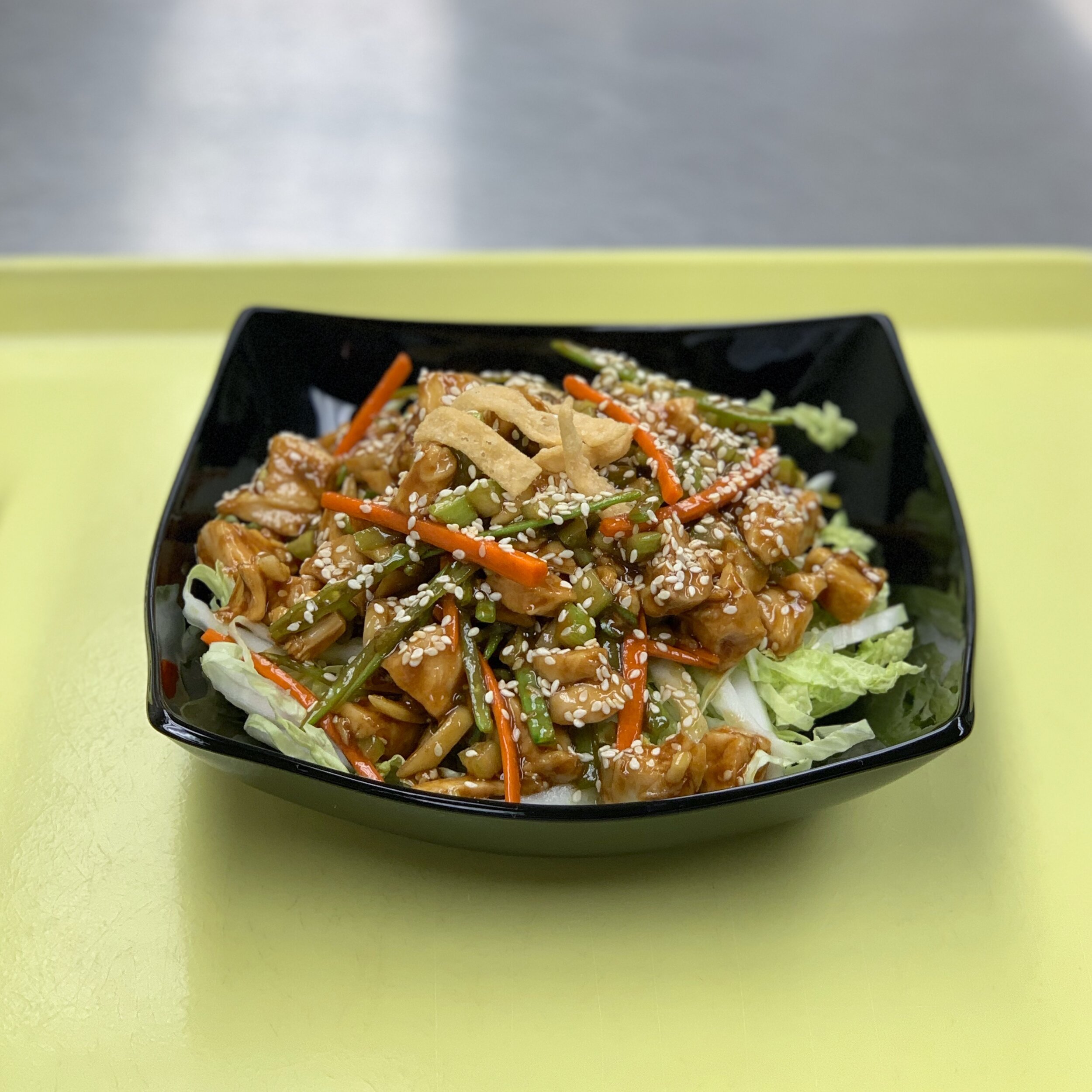
I also made Chinese Chicken Salad, which was the first savory dish I've made in class. The unit I'm learning about in lecture is salads. So, the basic structures of different types of salads. For me, it was a pretty straight forward lab. The chicken was precooked, so we just had to combine the ingredients for the sauce and cut the vegetables and compose it. I enjoyed the salad. I will keep the recipe for the dressing in my back pocket. It was a great combination of flavors: soy sauce, hoisin, ginger, rice wine vinegar, sesame oil, and sesame seeds. Our instructor said he adds peanut butter and uses it for Chicken Satay. I think that sounds delicious!

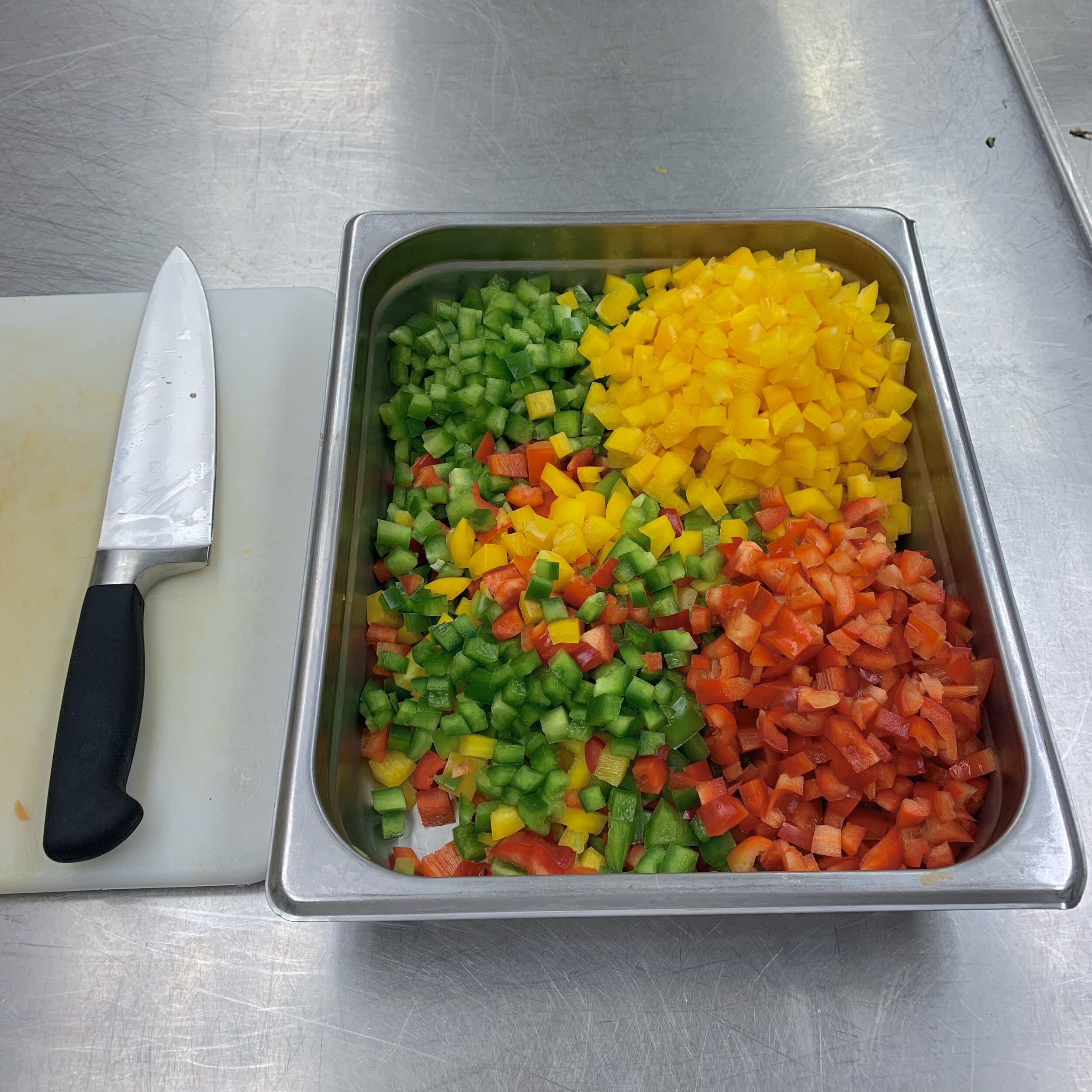
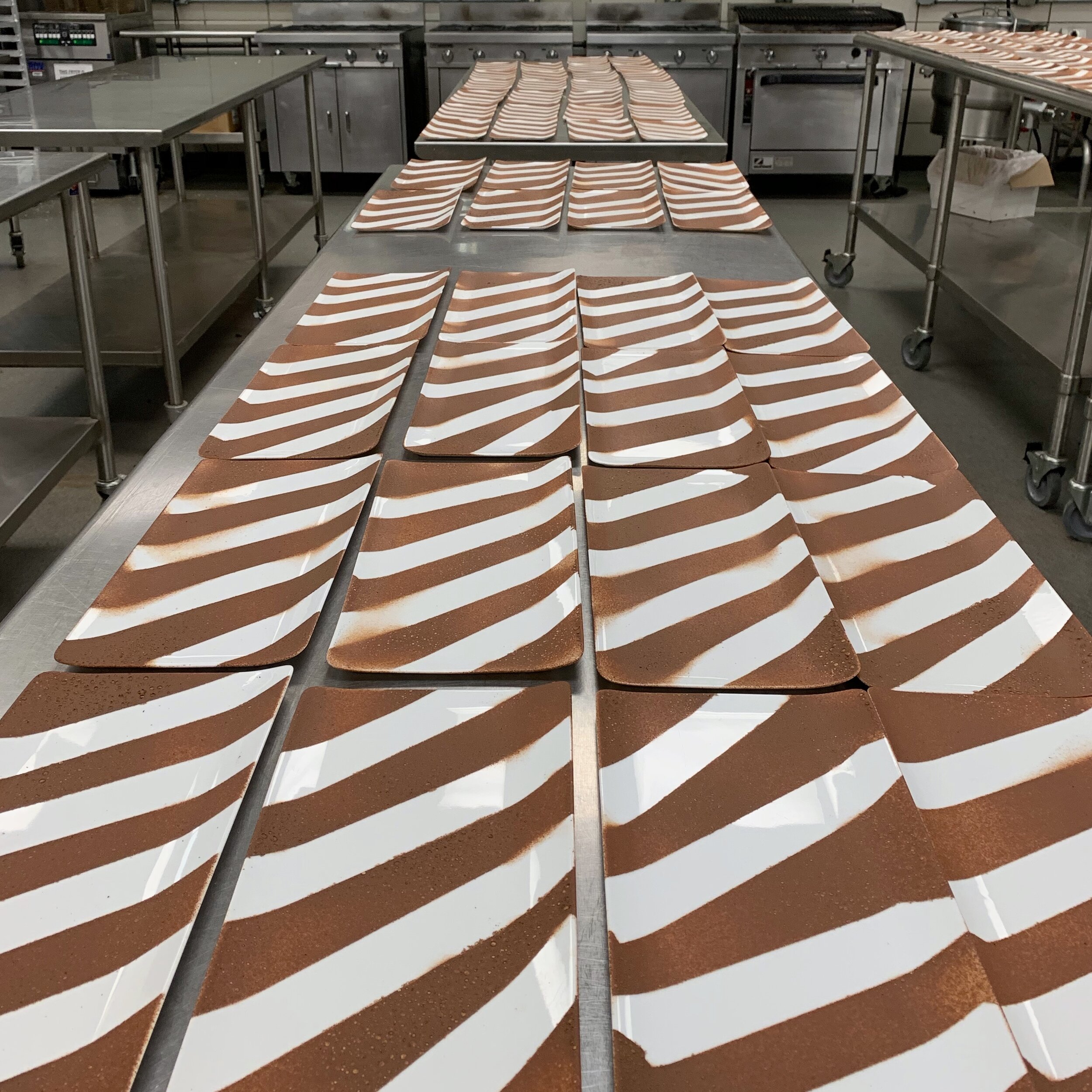
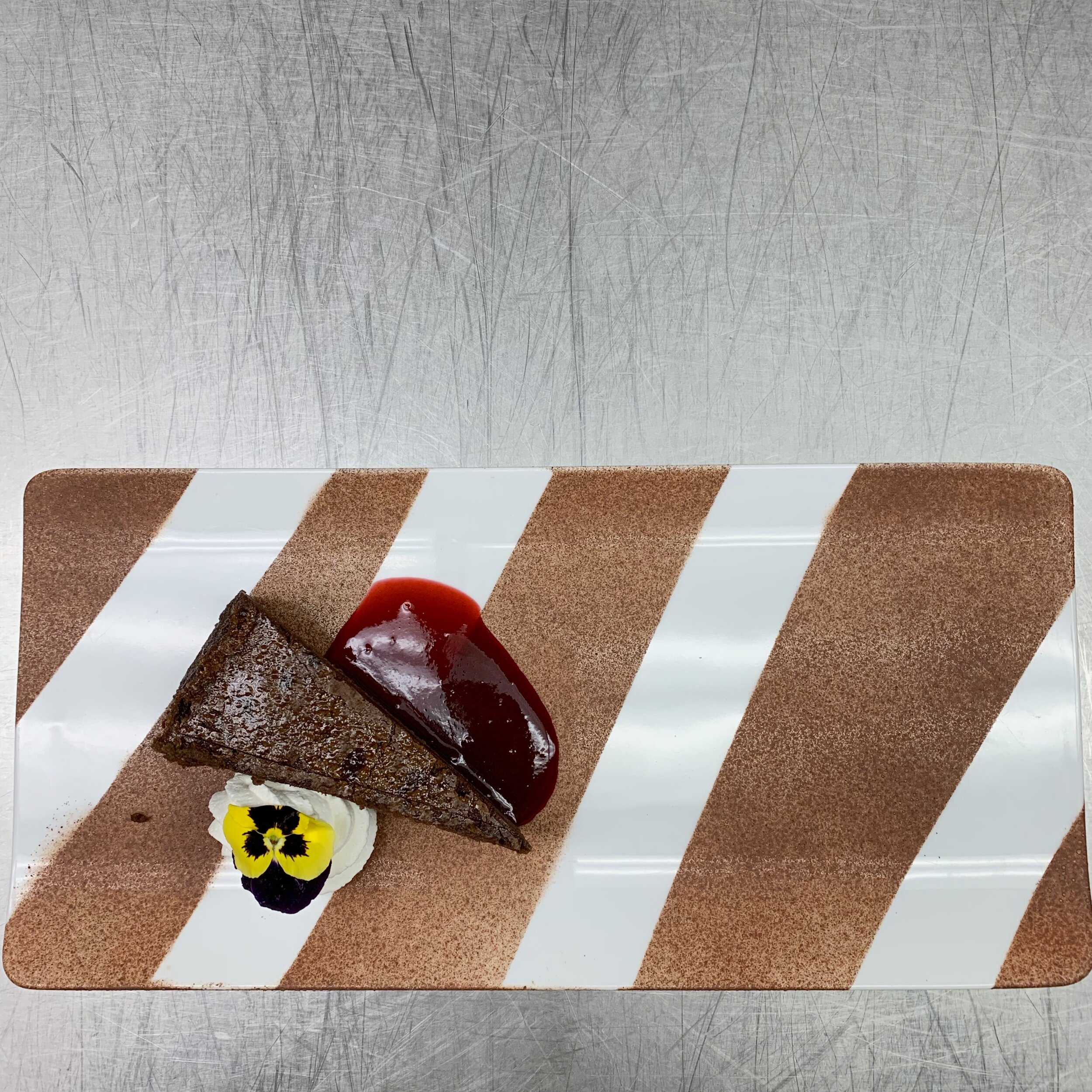
I also practiced my knife skills again this week, and I still have ALL my fingers. Go me! I cut up green, red, and yellow pepper for my instructor, which he used in a Southwest Chicken Soup for the weekly gourmet dinner. DMACC hosts weekly gourmet dinner for the public and donors. The students work the dinners as a class. First-year students, that's me, work the "front of house." We set up the dining room, serve all the food, and then clean all the dishes and put everything away. It's a great way to learn the front of house in a controlled environment. The second-year students do the meal planning and cooking, which I'm looking forward to doing. The food is quite spectacular. I included a picture of the Flourless Chocolate Cake that was served for dessert this week. It was beautiful and delicious!

Next week I'll be making Panna Cotta, Waldorf Salad, Potatoes, and Pudding!

Week 5 | Angel Food Cake

This week was a whole lot of what seems like totally random stuff. We learned about egg-based desserts, bread, angel food cake, and knife skills.

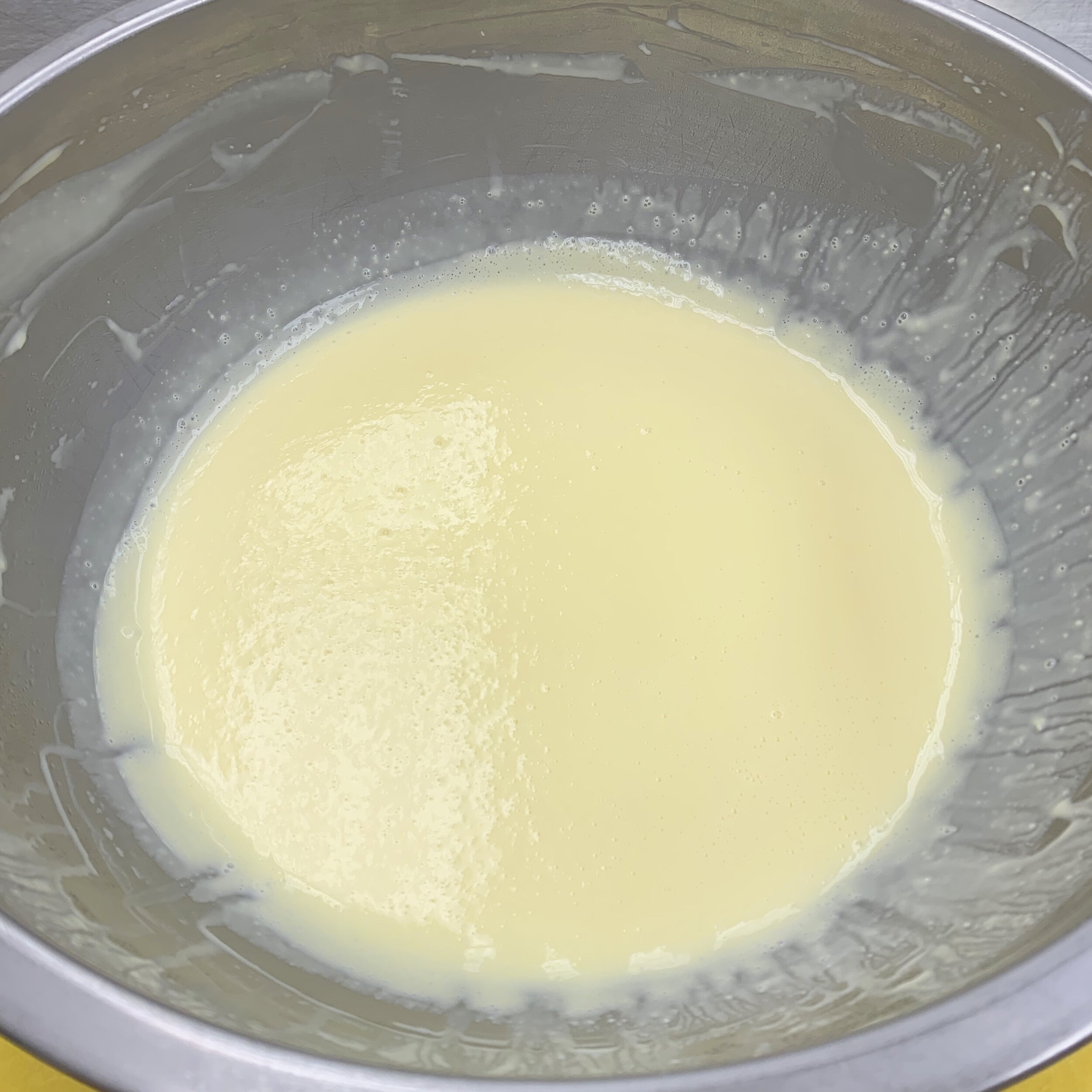
We started with egg-based desserts, stirred custards versus baked custards. Stirred custards include crème anglaise, which is what I made in my lab. The difference between the two is that stirred custards are pourable and baked custards are stable, despite having the same ingredients. The difference is how they are prepared. Stirred custard remains pourable because the eggs are stirred and the baked custards become solid because they are baked. Voilà!

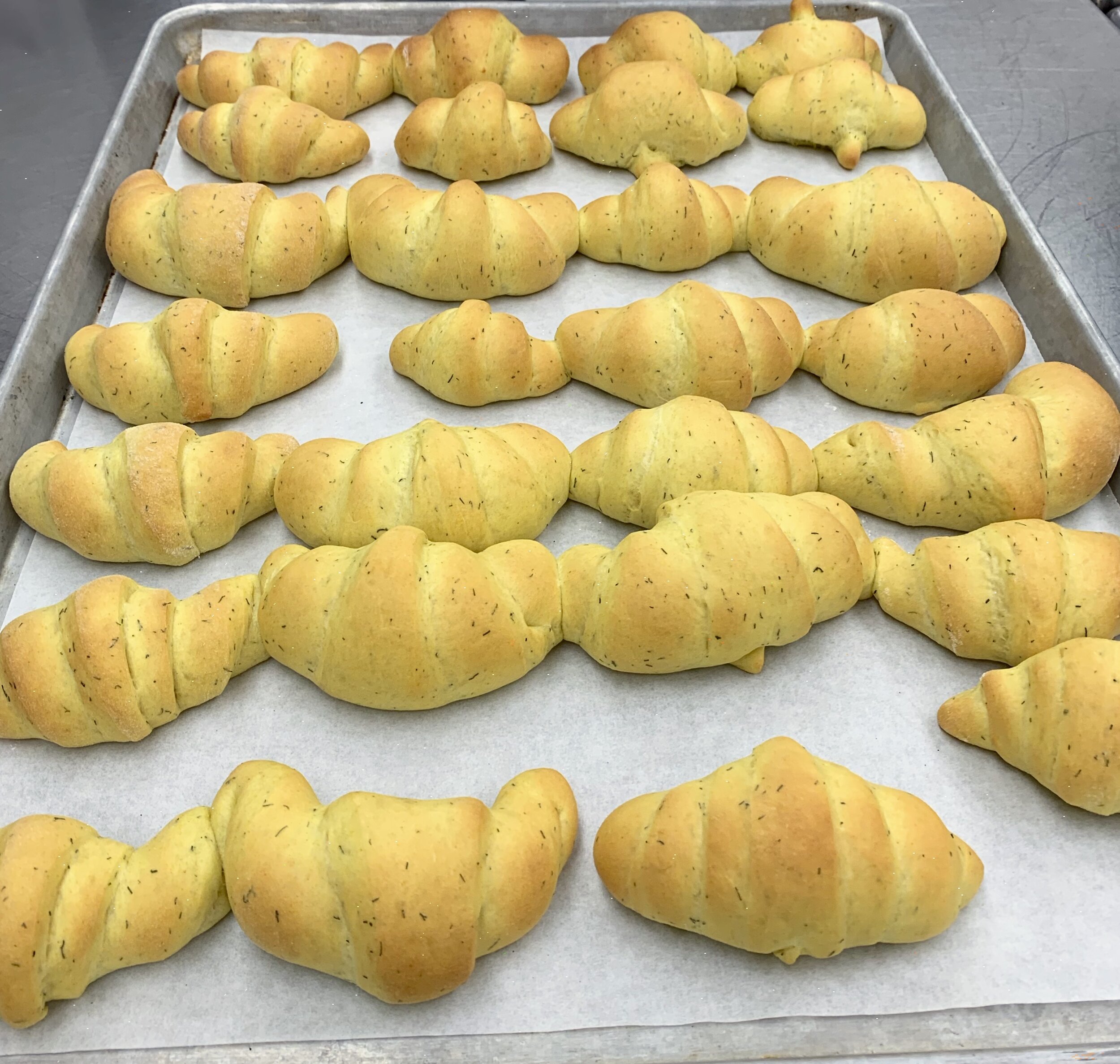
During the same lab, we also made bread. Because bread is SUCH a beast to tackle, we made a giant batch of bread dough (like 6 lbs) together as a class. We used a baker's scale to weigh all the ingredients and a giant mixer. Then we divided the dough into small loaves so we could each work with a loaf. We used the modified straight dough method, which is when you mix the yeast with water, then add the fat, salt, milk solids, and flavorings, then the eggs, and finally the flour. The straight dough method is when you add all the ingredients at once. We flavored our dough with turmeric, dill, and garlic powdered. It was so fragrant and a beautiful yellow color because of the turmeric. We then rolled it out to make crescent rolls.

On Wednesday, we made angel food cakes, so we could get comfortable whisking eggs whites to soft peaks and then not deflating them as we folded in the dry ingredients. We worked as pairs, and our cake turned out great. Next week we'll use our angel food cakes to make orange charlottes.

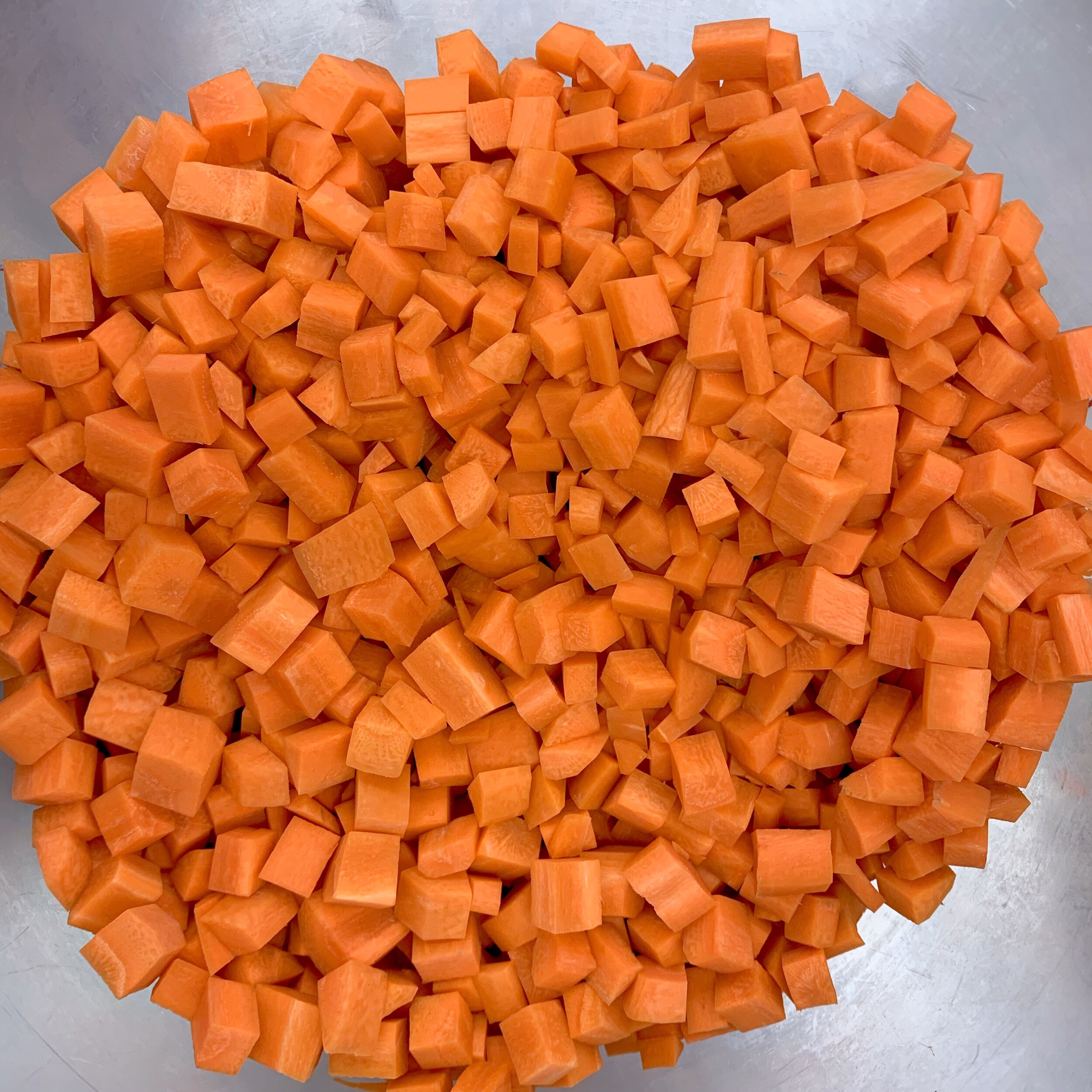
Finally, we practiced our knife skills. It was the first time we've used our knives in class. I am pretty comfortable using my knives at home. In class, we have to stand and hold both hands correctly. It's a lot to remember all while trying not to cut off your fingers. Luckily, I managed to walk away with all my fingers. I have a long way to go. My cuts are uneven, and I am so slow and awkward. I'm right-handed; with our right hand, we hold the knife, which you partially hold on the blade. I didn't hold my knife like this before culinary school. However, it's much more comfortable, and I have much more control. My left-hand technique needs a lot of work. You are not allowed to rest your palm on the table, which feels awkward. I am sure I'll get the hang of it, but it's going to take some time.

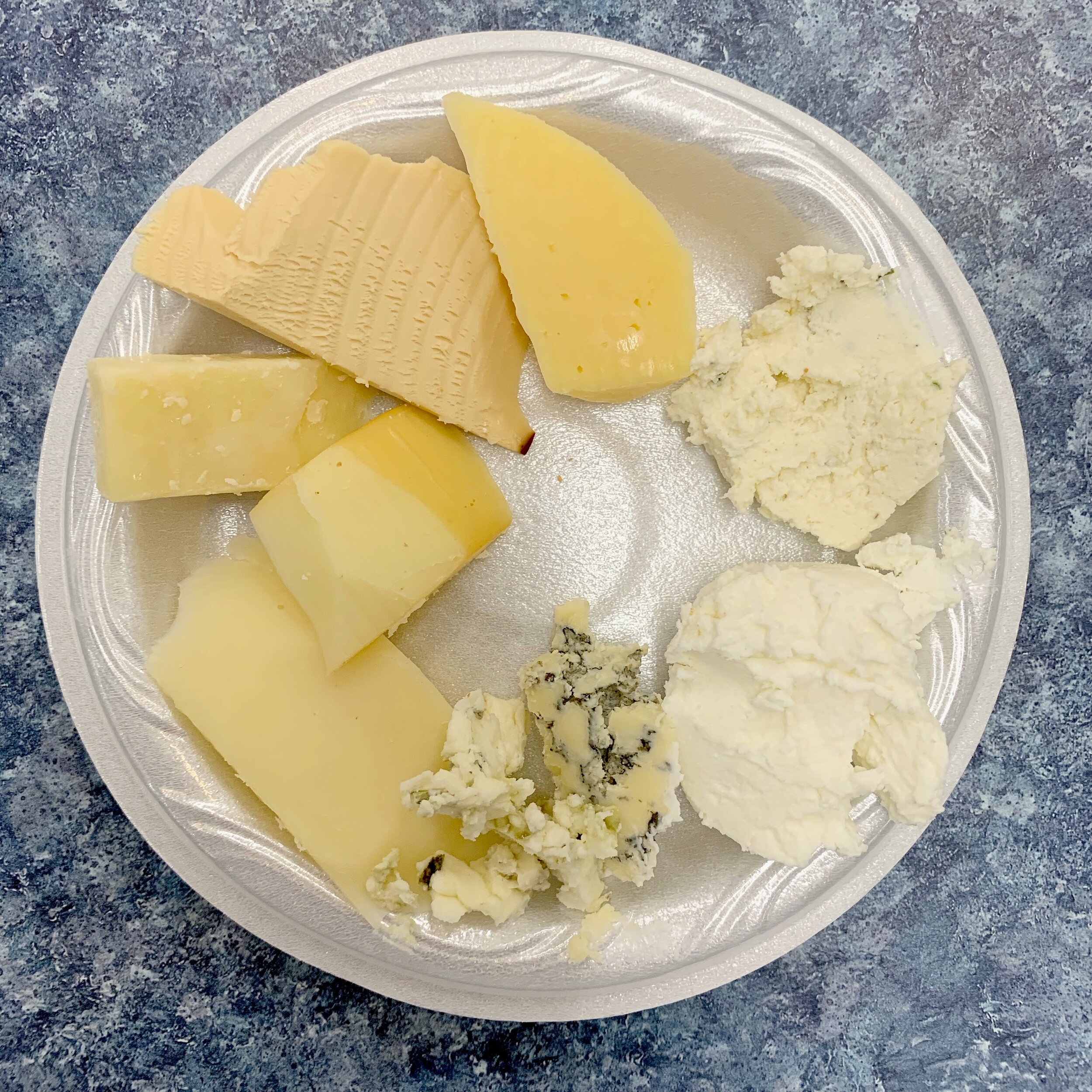
In my lecture this week, we learned about different types of cheese, and we got to taste a wide variety of cheeses, from all over the world. It was pretty amazing.

I have my first test on Monday. It's in my lecture, and it will be multiple choice and short answer. So, I'll be studying very hard this weekend! Wish me luck! 🤞🏼